
Sauté, pan fry, stir fry — three techniques that all involve cooking food in a pan with fat, and three techniques that produce completely different results depending on how you use them. Most recipes assume you already know which one to use and why. Here's what actually separates them and when each one is the right choice.
Sautéing, pan-frying, and stir-frying are essential cooking techniques that unlock flavor, texture, and color in everyday meals. Sautéing gives a delicate browning to vegetables and seafood, pan-frying creates a crispy, golden crust on meats, and stir-frying preserves the vibrant crunch of fresh ingredients. Learn when to use each method to cook faster, tastier meals every time.
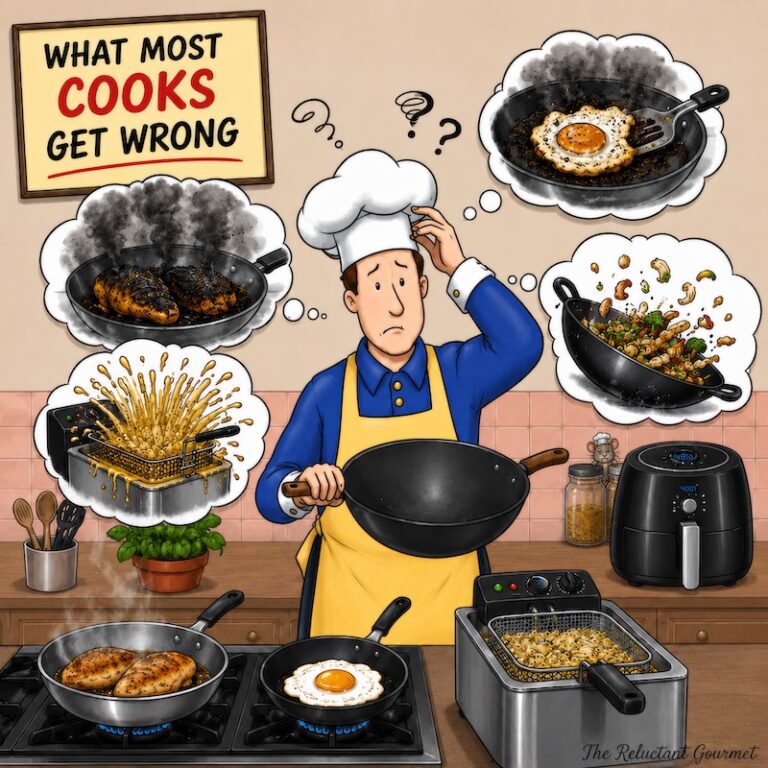
Sauté, Pan-Fry, and Stir-Fry: Unlocking the Secrets of Versatile Cooking Techniques
Want to cook like a pro and bring out the best in every ingredient? Mastering sautéing, pan-frying, and stir-frying is your shortcut to flavorful, perfectly textured meals.
These quick-cooking techniques may seem similar, but each has its own secret: sautéing gives delicate browning to vegetables and seafood, pan-frying delivers a crispy, golden crust on thicker cuts, and stir-frying preserves the vibrant crunch of fresh produce while evenly cooking proteins. Understanding when and how to use each method transforms everyday ingredients into restaurant-quality dishes, saving time and boosting flavor.
| Technique | Description | Best Used For |
|---|---|---|
| Sauté | Cooking food quickly in a small amount of fat over medium to high heat. Food is stirred or flipped to ensure even browning. | Thin cuts of meat, vegetables, aromatics like garlic and onions. |
| Pan-Fry | Cooking food in a moderate amount of oil over medium heat. Food is usually turned once to cook both sides evenly. | Chicken breasts, fish fillets, breaded items like schnitzel or cutlets. |
| Stir-Fry | Cooking small, uniform pieces of food quickly at high heat in a wok with constant stirring. Minimal oil is used. | Asian-style dishes with bite-sized meats, vegetables, and noodles or rice. |
| Shallow Fry | Cooking food in oil that partially submerges it, typically covering about half the item. Done at moderate to high heat. | Breaded or battered foods like fritters, croquettes, or cutlets that need a crisp exterior. |
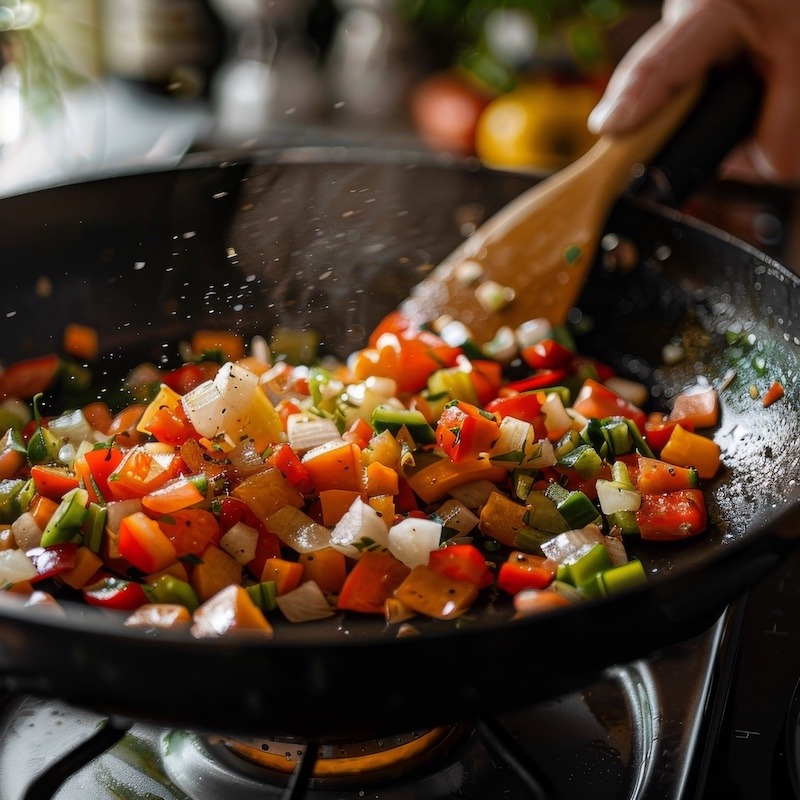
Sauté
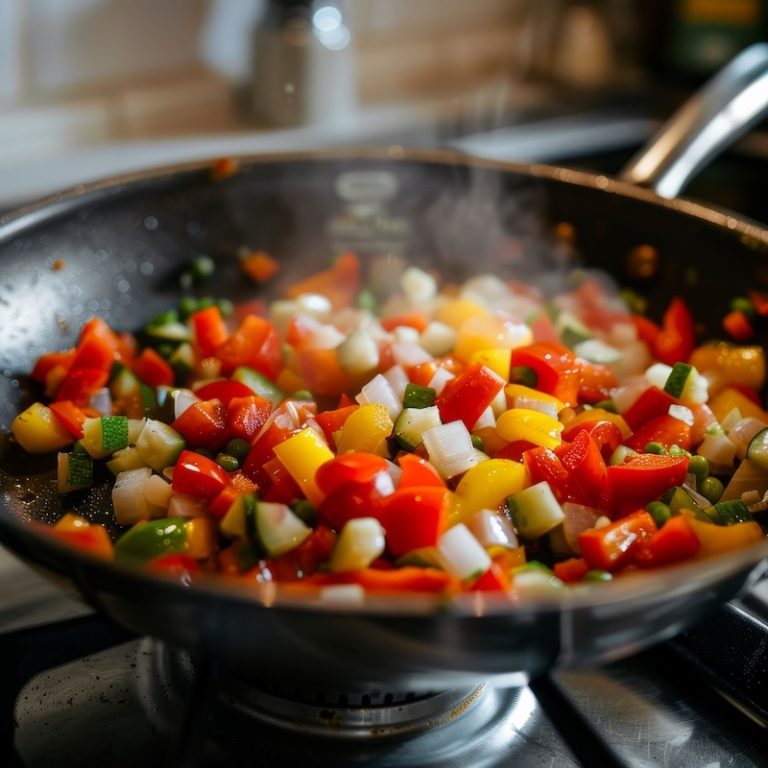
Sautéing is a fundamental cooking technique that emphasizes quick, efficient cooking with minimal fat over medium to high heat. The term “sauté” comes from the French word “sauter,” meaning “to jump,” which aptly describes the way food moves around in the pan during this cooking process. This method is favored for its ability to develop rich flavors and textures without prolonged cooking.
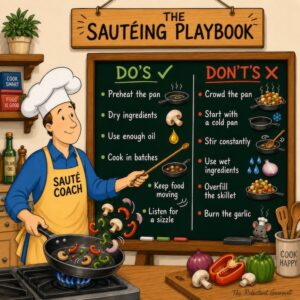
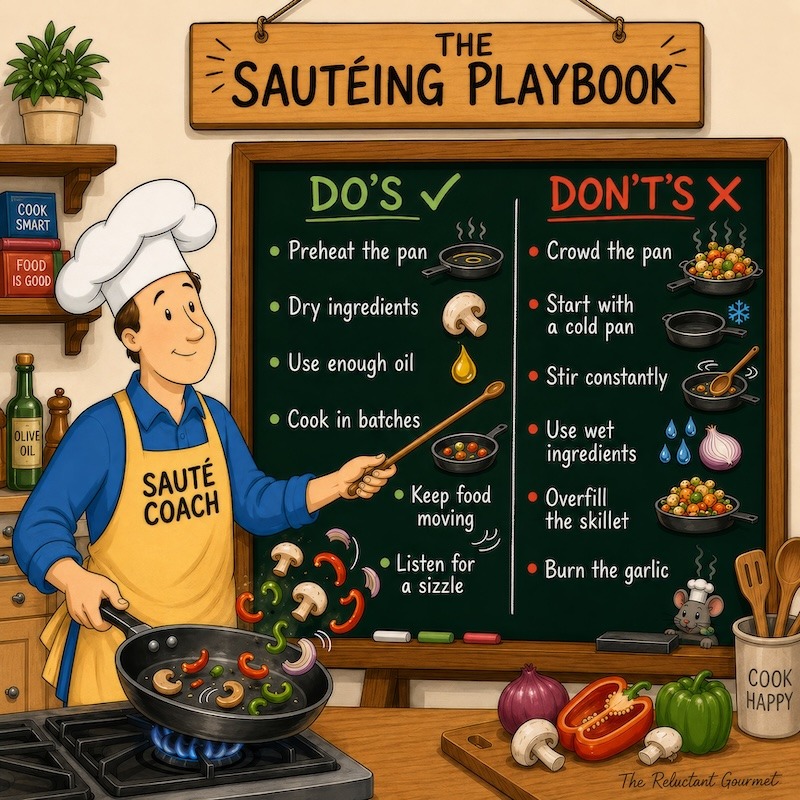
- Choose the right pan: Use a wide, shallow skillet with a heavy bottom for even heat distribution.
- Preheat the pan: Add oil or fat just before it reaches its smoke point to ensure quick searing and lock in flavor.
- Select your fat: Olive oil, butter, or vegetable oil, each adds its own flavor.
- Prep ingredients: Cut food into small, uniform pieces for even cooking.
- Cook in a single layer: Avoid overcrowding to prevent steaming and soggy results.
- Stir frequently: Flip or move ingredients to cook evenly and prevent burning.
- Versatile for many ingredients: Works for vegetables, mushrooms, thin cuts of meat, poultry, and seafood.
- Quick and flavorful: High heat caramelizes natural sugars, creating a golden-brown crust and rich flavor.
- Elevates everyday meals: Transforms simple ingredients into aromatic, restaurant-quality dishes.
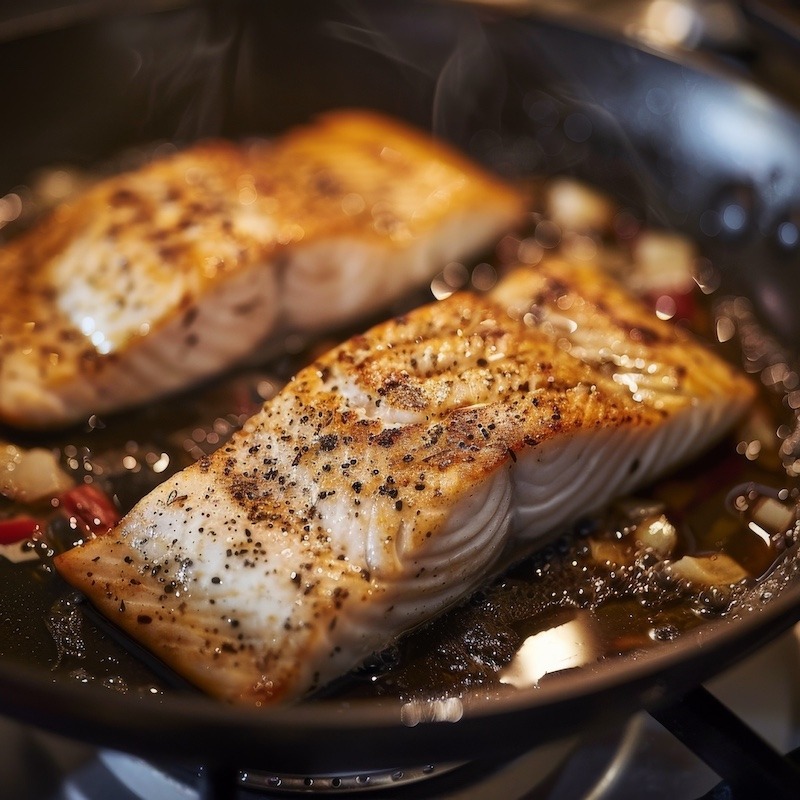
Pan-Fry
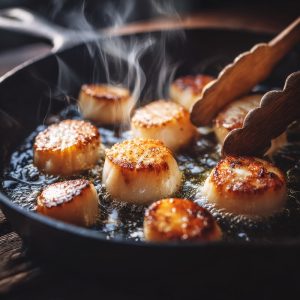
Pan-frying is a versatile cooking technique that balances the high heat of sautéing and the deeper fat immersion of deep-frying. It involves cooking food in a moderate amount of oil or fat over medium to medium-high heat, producing a beautifully golden-brown crust and a juicy, tender interior. This method is well-suited for larger, thicker cuts of meat, poultry, fish, and vegetables.
- Choose the right pan: Use a heavy-bottomed skillet or frying pan for even heat distribution.
- Preheat the pan: Heat the pan before adding oil to achieve an optimal sear and lock in natural juices.
- Select your fat: Vegetable oil, canola oil, or clarified butter, each with different smoke points and flavors.
- Cook carefully: Place food in a single layer and avoid overcrowding to maintain temperature and ensure even cooking.
- Golden crust: Aim for a crisp exterior while cooking the interior thoroughly; adjust heat or finish in the oven if needed.
- Perfect for coated or thick items: Ideal for breaded chicken, fish fillets, pork chops, or vegetables like potatoes and eggplant.
- Flavor and texture: Creates rich, deep flavors with a satisfying crunch, elevating everyday ingredients into delicious meals.

Stir Fry
Stir-frying is a dynamic and efficient cooking technique that originated in Chinese cuisine and has become popular worldwide. This method involves quickly cooking small, uniform pieces of food at high heat in a wok or a large, heavy-bottomed skillet. The hallmark of stir-frying is constant stirring, which ensures even cooking and prevents burning.
- Prep ingredients: Cut vegetables into bite-sized pieces and slice proteins thinly; have everything ready before cooking.
- Heat the wok: Preheat until very hot, then add a small amount of high-smoke-point oil like peanut or vegetable oil.
- Add aromatics: Garlic, ginger, and onions infuse the oil with flavor before proteins and vegetables go in.
- Cook quickly: Stir ingredients constantly over high heat for just a few minutes to ensure even cooking.
- Add sauces: Soy, oyster, or hoisin sauces coat the dish and bring balanced salty, sweet, and umami flavors.
- Preserve color and texture: High heat keeps vegetables vibrant, crunchy, and nutrient-rich.
- Quick, healthy, flavorful: Ideal for fast meals that are visually appealing and packed with fresh taste.
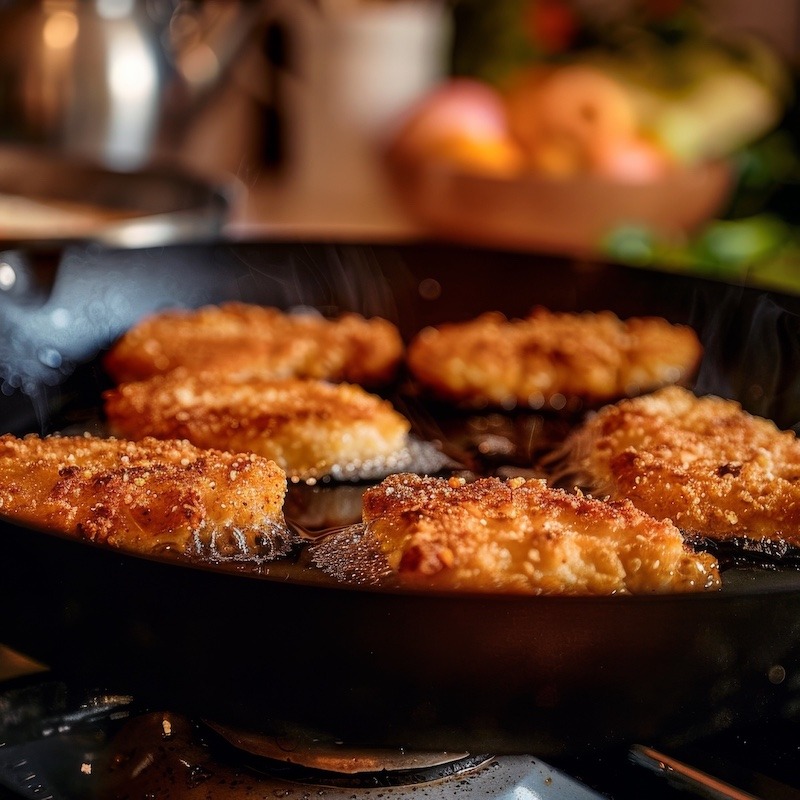
Shallow Frying
Shallow frying is a cooking technique that involves frying food in a small amount of oil or fat, typically enough to cover the food halfway up its sides. Unlike deep frying, which submerges food entirely in hot oil, shallow frying uses less oil and is often done in a skillet or frying pan over medium to high heat. This method is ideal for achieving a crispy, golden-brown exterior while keeping the inside moist and tender.
- Heat the oil: Preheat to 350–375°F (175–190°C) for optimal frying.
- Cook carefully: Place breaded or battered food in a single layer; avoid overcrowding to maintain oil temperature.
- Golden brown crust: Fry until one side is golden, then flip to cook the other side evenly.
- Ideal foods: Chicken cutlets, fish fillets, fritters, and vegetable patties cook quickly and develop a crispy exterior.
- Why it works: Creates a flavorful, crunchy crust while keeping the interior tender, elevating simple ingredients into satisfying dishes.
Dry Heat Cooking Method
Dry heat cooking is a method that involves cooking food without the use of water, broth, or other liquids. Instead, it relies on hot air circulation or direct contact with a hot surface to transfer heat to the food. This method enhances the flavors and textures of food by caramelizing the sugars on the surface, resulting in a richly browned and flavorful crust. Here are some common techniques of dry heat cooking:
| Cooking Method | Description |
|---|---|
| Roasting and Baking | Both methods use the oven to cook food with dry heat. Roasting is typically applied to meats and vegetables, while baking is used for bread, pastries, and other baked goods. The hot air circulates around the food, cooking it evenly on all sides. |
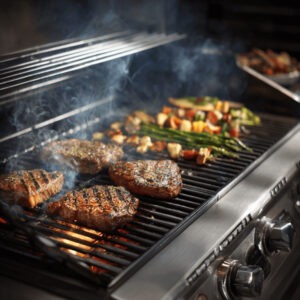
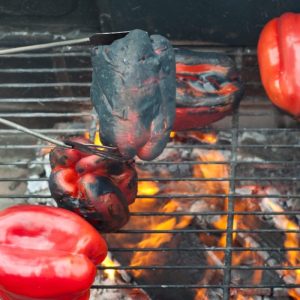
| Grilling | This involves cooking food over an open flame or heat source on a grill. The direct heat from the flame chars the food, imparting a smoky flavor and a crisp exterior while keeping the interior moist and tender. |
| Broiling | Like grilling, broiling cooks food using direct high heat from above, usually in an oven. It’s ideal for quickly cooking or browning the surface of food, such as meats, seafood, or vegetables. |
| Sautéing | This involves cooking food quickly in a small amount of fat in a pan over medium to high heat. The food is stirred or flipped to ensure even cooking and to achieve a golden-brown exterior. |
| Pan-frying | Uses a moderate amount of oil or fat in a pan to cook food over medium heat. This method is suitable for thicker pieces of food, such as chicken breasts or fish fillets, creating a crispy crust while keeping the interior moist. |
| Stir-frying | Common in Asian cuisine, this method involves cooking small, uniform pieces of food quickly at high heat in a wok with constant stirring. This technique preserves the food’s color, texture, and nutritional value. |
Frying Techniques FAQ
What is the difference between sautéing, pan-frying, and stir-frying?
Sautéing uses high heat and a small amount of fat to cook small, uniform pieces quickly, producing a lightly browned exterior. Pan-frying uses moderate heat and more oil for thicker cuts, creating a crisp crust while keeping the inside tender. Stir-frying involves very high heat, constant stirring, and small pieces of food, preserving color, texture, and nutrients.
What type of pan is best for sautéing?
A wide, shallow skillet with a heavy bottom is ideal. This ensures even heat distribution and allows food to cook quickly without overcrowding.
Which oils are best for sautéing?
Olive oil, butter, or vegetable oil are commonly used. Choose oils with higher smoke points for higher heat and faster cooking.
Can I overcrowd the pan when cooking?
No. Overcrowding lowers the temperature, causing food to steam rather than brown, which can lead to soggy textures.
What foods are best suited for pan-frying?
Thicker cuts like chicken breasts, fish fillets, pork chops, and breaded items work well. Vegetables like potatoes and eggplant can also be pan-fried for a crisp exterior.
What makes stir-frying healthy?
Stir-frying preserves the vibrant colors, textures, and nutrients of vegetables because cooking times are short and ingredients are cooked quickly over high heat.
Do I need special equipment for stir-frying?
A wok is traditional and ideal, but a large, deep skillet can work. The key is to have high heat and enough space to toss ingredients quickly.
What is shallow frying?
Shallow frying uses a small amount of oil to fry food like breaded chicken, fish, fritters, or patties. The food partially submerges in hot oil, creating a crisp, golden-brown crust while cooking the interior evenly.
How do I prevent my food from sticking?
Ensure the pan is preheated, use enough oil or fat, and cook in a single layer. Stir or flip carefully once the food has formed a natural crust.
Can I use the same techniques for seafood?
Yes. Sautéing, pan-frying, and stir-frying work well with seafood, but cook smaller pieces quickly to prevent overcooking and maintain delicate textures.

32 Responses
thanks about the difference between saute pan fry and stir fry
A nice lesson to learn.
Thank you.- RG
“Sauté” literally means ‘jumped’ although it does come from the infinitive french verb, “Sauter” which is ‘to jump’.
Just a clarification on an otherwise great article on making distinctions!
Thanks for the French lesson Katie – RG
Which methods are optimal to retain nutrients? Sauteing or Frying ?
I would say it is a toss up, no pun intended. – RG
THANK YOU!
Loved the article! I’m pan frying salmon in two days for a brunch and unless you’ve done it a thousand times, there isn’t a lot of literature to teach you how. This was most helpful on the basics. Definitely doing a test run tomorrow, though!
thanks for article. i was looking for new ‘fry’ pan and now realize i was looking for wrong thing, also reminded me that if i wanted good ‘bits’ for sauce etc. i didn’t want coated pan. i still worry about too high heat on my electric stove gas is better, right?
Thanks. We were looking for new fry? pan and none looked like what I thought I was supposed to have, this clarified it. Have to take back, however, cuz you taught me I need a stainless-steel pan rather than a coated one to get good browning for sauces. thanks again
Vey helpful, thanks!
yes,it helps me a lot to understand more in frying..thanks and more power!
Can the same pan, i.e., Calphalon Unison non-stick covered Fry Pan 12″ by 2/1/4 high, be used for searing, frying, or sauteing? I need a new one and want a flat-bottom, large enough one to use for everything. Also for the glass-top cooking stove I am buying. Would appreciate a reply
What does non-induction compatible mean?
Jackie, Yes, the Calphalon Unison 12″ non-stick covered fry pan can handle sautéing and pan-frying very well, especially for vegetables, meats, or eggs, because it has a flat bottom and a wide cooking surface that distributes heat evenly. However, for high-heat searing (like browning steaks), non-stick pans aren’t ideal—they can’t reach the same searing temperatures as stainless steel or cast iron without damaging the coating. For versatility, a large, flat-bottomed pan works fine for sautéing, pan-frying, and shallow frying on a glass-top stove, but if you want true high-heat searing, consider a separate stainless or cast-iron skillet. Non-induction compatible means the pan’s base does not have the magnetic metal required to work on induction cooktops, but it will still work perfectly on gas, electric coil, or glass-top electric stoves.
Non-induction:
Induction is a method of heating food using magnetic induction to heat the pot. For this to work you need a pot which contains something ferrous – like cast iron, some stainless steel, and then other materials which the manufacturer has added something magnetisable to. If a pot is listed as non-induction then it doesn’t have iron or whatever in it so it will not be affected by the magnetic coil in the induction element. You can get induction elemets on stoves ir on stand alone hot-plates. The advantage of induction is you can control cooking temperature much more quickly than an electric element/burner can. Also, you won’t burn yourself on it!
Thank you so much – loved the pun
Thanks so much for the real insights to basics of cooking! 🙂
Loved it…
dishana
thank you,l learned a lot from your text and knew the differences among all kinds of cooking methods.
Hi. Excellent article. I learned a lot. Where I’m from, saute is a term only used if you’re frying in butter. Pan frying is done with oil. But, no matter what we call it, food is a universal language.
Thanks a lot for this useful information. I am so happy and thankful to have been introduced to MEC pure clay pans by a friend. I do all kinds of cooking except deep frying sauteing, stir fry, even making eggs and pancakes in these pans. These pots are pure and non toxic, so no fear of contamination in the food.The best part is that the food stays hot for longer periods of time without refrigeration. I got mine from Miriams Earthen Cookware(online) I love these pans… truly amazing!
Hey Sam, thanks for your comments and suggestions.
The way I learned it, stir fry is very similar to sautee. But stir fry is done at high enough heat that the food risks scorching if it remains stationary for long, so with a stir fry you keep the food in constant motion, whereas in a sautee, you can let the food rest briefly at periods during the cooking (though frequently moving the food around to expose different faces to the hot pan/oil is also an important part of a sautee)
Hi Eric, that is how I learned it myself but since then I have changed my definition although I still often use the term saute with pan fry interchangeably. I now see saute also having to do with the size of the ingredient you are cooking. For example, if you were cooking bite sized pieces of chicken in a little bit of oil, it would be saute. If you were cooking a half chicken breast in a little bit of oil, it would be pan fry.
I am a school student currently in grade 10 thanks to this I passed thanks actually this wasn’t a requirement but yet I passed thx amberleigh barber
My favorite pans are “Mineral B” de Buyer! Heavy but non-stick, dependable and non-toxic! With care they’ll last forever. I like to season with coconut oil.
One must be able to differentiate also the temperatures used in each technique, as well as the cooking oils and its characteristics. These factors should surely have some impact on the taste and health effects of the recipes.
For example, I fry one egg in a small pan, using just a drop of either unrefined or virgin olive oil. I make this a very slow cooking – so that the loss in its taste is minimal, and I add newly ground linseed to the egg white so that its oils gently seep and mix to the taste.
Would that be considered pan frying?
This only confirms that pan frying is the same as sautéing.
This article tried desperately to cling to the romantic idea that sautéing is a different cooking method to frying in order to justify all those chefy restaurant menus and pretentious chefs.
Of course you are going to lower the temperature for a whole thicker piece of meat, that’s the art of cooking. A slight temp change doesn’t change the cooking method. Grilling is grilling whether my grill is set to 2 or 8.
Are we saying that ‘frying’ diced onion and garlic must be referred to as sautéing simply because the pieces are small?
Far too often poor to average food is jazzed up and hidden behind pretentious french words. We need less bull’ in the food industry!
I’m off to fry some small chunks of beef.
I have to disagree with you. Sautéing uses high heat and a small amount of oil to cook small, uniform pieces quickly, creating a lightly browned exterior, while pan-frying uses more oil and moderate heat to cook thicker pieces, producing a crisp, golden crust while keeping the interior tender.
This is perhaps the best way to explain dry heat cooking method. It has really added value. Thanks a lot.
Thank you for that information.
You are welcome Sarah.
Solid descriptions. Although I’ve always applied those techniques dependent on what I was cooking I just thought I was pan frying them all. Loved reading the technical side to it. Cheers Pal
This was really useful information! I was taught to cook by my Grandmother who referred to all of the above methods as “frying” which left me confused when learning new recipes now that she is gone. I really thought “saute” was just what rich people said so they didn’t have to admit they eat fried food like everyone else.
That’s so funny Jamie. I like your logic.