Buying a Stand Mixer
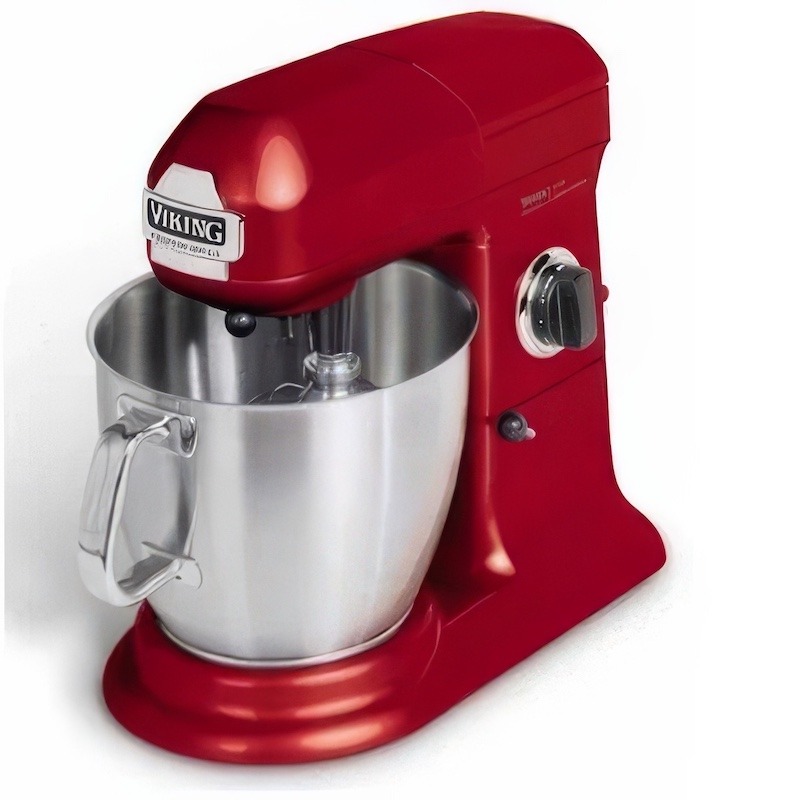
Why a Stand Mixer: A stand mixer is a hands-free kitchen workhorse that mixes, beats, whips, and kneads with consistent power. It’s especially useful for baking, bread dough, and batch cooking where manual mixing becomes tiring or inconsistent.
Check Quality: Pay attention to motor strength, bowl capacity, and build stability. Heavier bases reduce vibration, while metal gear systems generally last longer than plastic-driven models. Look for smooth speed control and strong attachment hubs.
Key Fit Factors: Choose bowl size based on your cooking habits (5–6 qt for most home bakers, 6–7 qt for large batches). Tilt-head models offer convenience, while bowl-lift models provide more power and stability for heavy doughs.
Where to Shop: Kitchen specialty stores and major retailers allow hands-on comparison of size and weight. Online retailers like Amazon provide broader model selection, user reviews, and price comparisons across brands and configurations.
Maintenance Tip: Clean attachments after each use and avoid overloading the motor during heavy dough kneading. Proper care helps maintain performance and extends the life of the mixer for years of regular baking.
🛒 Check Prices for Stand Mixers on Amazon
Available on Amazon





4 Responses
So where’s the comparison chart?
Theresa, gone. Not sure what happened to it when I moved over to the new format. I’ll have to look for it or create a new chart. – RG
Yes, very useful article, I agree the stand mixer for mixing heavy duty, thank you I will read your review
I had no idea that you should look for a mixer that has metal gearing. My wife loves to bake, and she has been wanting to get a mixer. I will have to make sure that I get her the right one.
Interesting. I never gave much thought to things like buying mixers with metal gearing or ones that had a slow start feature. For me it has always been about just grabbing one that got the job done. Very helpful guide which I will surely use in the future.