The Great Debate: To Preheat or Not to Preheat Your Pan
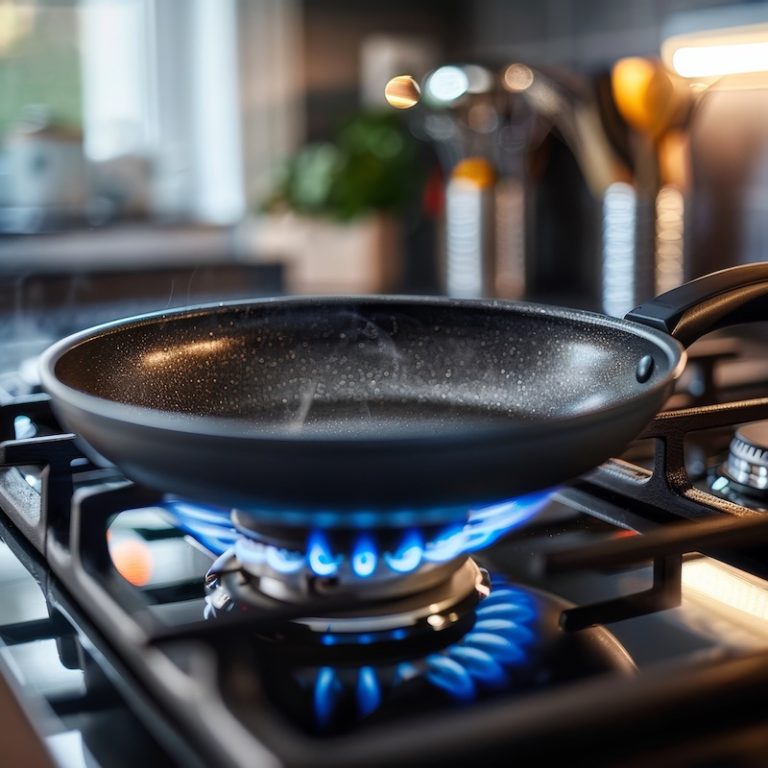
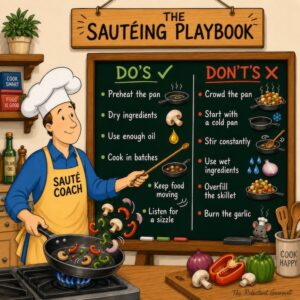
Heating a pan before cooking is a fundamental step in culinary techniques. This is primarily to achieve optimal cooking results and ensure food safety. Firstly, a preheated pan allows for even heat distribution.
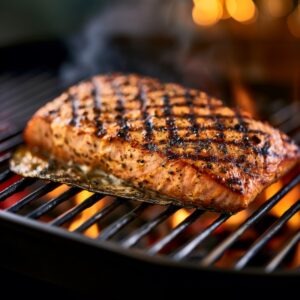
When a pan is uniformly hot, food cooks evenly, preventing some parts from burning while others remain undercooked. This is particularly important for searing meats, where a hot pan helps create a caramelized, flavorful crust through the Maillard reaction, enhancing taste and texture.
Secondly, preheating a pan helps prevent food from sticking. When food is added to a properly heated pan, it immediately starts to cook. It develops a barrier that reduces sticking, which is especially useful when cooking proteins like fish or eggs. Additionally, starting with a hot pan can reduce cooking time, as the food doesn’t have to gradually warm up with the pan, thus preserving the integrity and moisture of the ingredients.
Moreover, preheating can contribute to better food safety. A sufficiently hot pan can kill surface bacteria quickly, reducing the risk of foodborne illnesses. In summary, preheating a pan is crucial for even cooking, enhancing flavors, preventing sticking, and ensuring food safety.
4 Responses
I was really afraid when I put oil in pan. Because I really don’t know, how much time it will need to be hit. I think your article is the best solution.
A tip: dry pan or pan with oil can be tested for heat, quickly and without damaging a thermometer. If the pan is dry, run a finger under water and flick a small amount into the pan and if it’s hot enough, it will roll across the surface in a bead, like mercury. If the fat/oil is already in the pan, use the same trick but with even less water (a tiny drop is plenty). When you flick the droplet into the oil, if the temperature is hot enough to be non-stick, you will see strong bubbling around the droplet, and hear a significantly loud cracking or popping sound. Be sure to flick the smallest possible droplet of water in either case, but it’s especially important when flicked into hot fat/oil, as the popping can cause splash out and burn you or in extreme cases, like with a stovetop skillet, where the sides of the pan are low, you could potentially ignite and flash/smoke the oil. At which point you would have to start again.
On the show Worst Cooks on Food Network, Chef Anne Burrell advises the wannabe cooks to listen for the oil to sound like an audience’s applause. ( Just paraphrasing) As someone that is not the worst but certainly not on chef level I love the advice they provide because it’s easy. Almost idiotproof which gives me a certain feeling of confidence when trying to enhance a technique, or learn a new one.
Hi Leigh, interesting tip. I’ll give it a listen.