
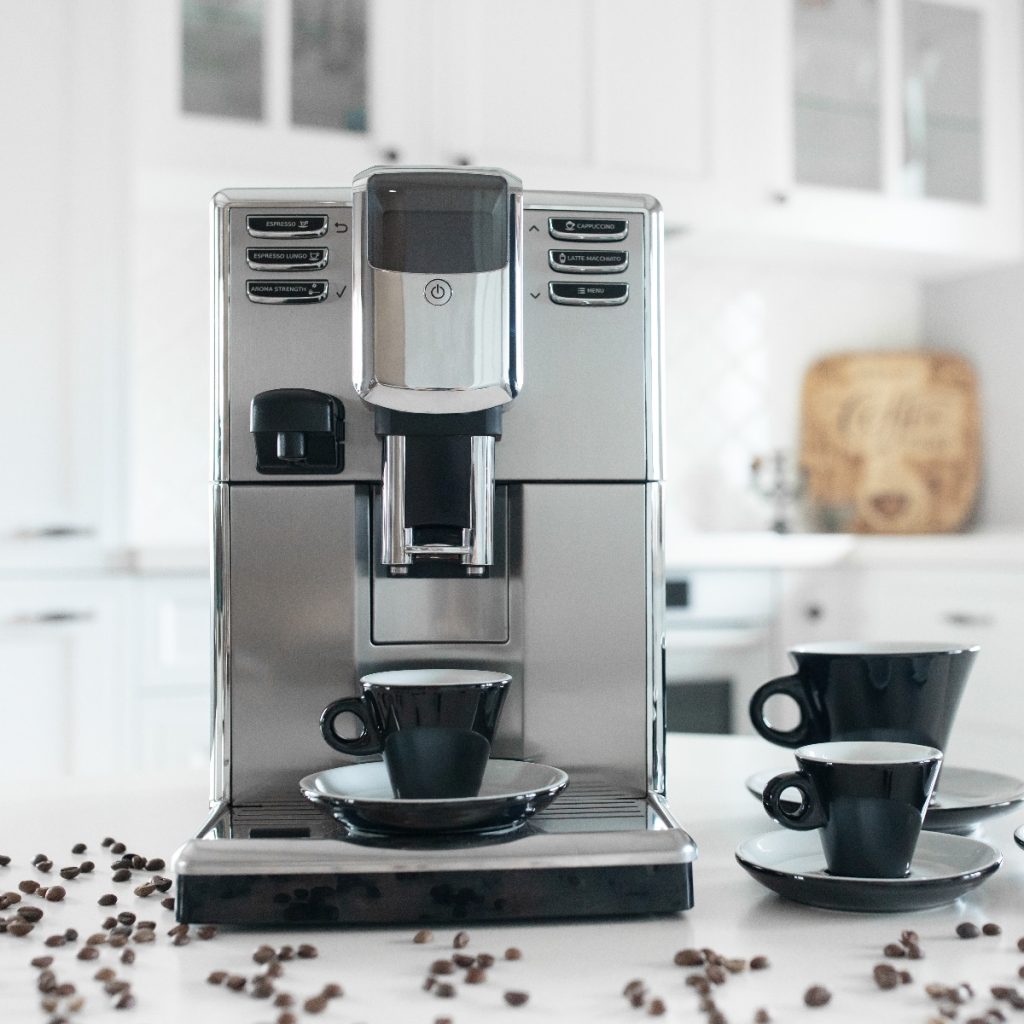
Why should you care about choosing the right espresso or cappuccino machine? Because the difference between café-quality crema and bitter disappointment often comes down to one smart decision. The right machine saves money, fits your lifestyle, and turns your kitchen into a reliable morning ritual instead of a daily gamble. Before you buy, it pays to know what truly matters.
What to Consider When Purchasing an Espresso/Cappuccino Machine
- Machine Type: Manual, semi-automatic, fully automatic, or super-automatic. More control means more involvement. More automation means push-button ease.
- Boiler System: Single boiler (budget-friendly), heat exchanger, or dual boiler for brewing and steaming at the same time.
- Pump Pressure: Look for 9 bars of brewing pressure for proper espresso extraction.
- Built-In Grinder: Fresh-ground beans make better espresso. Burr grinders outperform blade grinders.
- Milk Frothing: Steam wand for hands-on texture control or automatic milk system for one-touch cappuccinos.
- Water Reservoir Size: Larger tanks require fewer refills, especially if you entertain.
- Size & Counter Space: Measure before buying. Many machines have a significant footprint.
- Cleaning & Maintenance: Removable brew groups and automatic cleaning cycles simplify upkeep.
- Budget: Entry-level machines start under $300. Prosumer models can exceed $1,000.
- Brand Reputation: Established brands often provide better reliability, support, and parts availability.
Buyers’ Guide to the Best Espresso and Cappuccino Machines at Home
Looking to bring café-quality espresso and cappuccino into your home? Choosing the right espresso machine can transform your morning routine, giving you rich, velvety shots without the coffee-shop price tag.
Home espresso machines range from budget-friendly stovetop moka pots to high-end super-automatic bean-to-cup systems, each designed to suit different skill levels and lifestyles. Understanding key features—like dual boilers, PID temperature control, steam wands, and ESE pod compatibility—helps you pick a machine that delivers consistent, flavorful coffee every time.
Whether you want a hands-on semi-automatic machine for precise brewing or a one-touch super-automatic espresso maker for convenience, knowing what to look for saves time, money, and frustration.
In this guide, we break down all types of home espresso and cappuccino machines, explain essential terms and features, and highlight what makes each style unique. Read on to find the perfect espresso machine for your kitchen
Types of Machines
| Machine Type | Key Features | Advantages | Cost * |
|---|---|---|---|
| Stovetop (Moka Pot) | Uses stovetop pressure to brew strong coffee; no electricity | Very affordable; simple; rich flavor for espresso-like coffee | * |
| Manual Lever | User-controlled extraction with lever/piston | High control over espresso quality; satisfying hands-on experience | ** |
| Semi-Automatic | Electric pump; manual start/stop extraction | Balance of control and convenience; great for enthusiasts | *** |
| Automatic | Electric pump; machine meters shot volume | Consistent shots with less skill required | *** |
| Super-Automatic | Bean-to-cup with built-in grinder and milk systems | One-touch drinks; minimal effort; integrated cleaning cycles | **** |
| Pod/Capsule | Pre-measured pods or capsules; very easy | Quick, clean, low skill; consistent results | **,*** |
☕ Step‑by‑Step Buying Roadmap
1. Define Your Coffee Goals
Decide whether you want espresso shots only, milk‑based drinks (cappuccino/latte), or everything with one button. Your drinking habits set the foundation.
2. Set a Realistic Budget
Establish a range you’re comfortable with. Entry‑level starts low; prosumer machines add performance and durability but cost more. Knowing your budget early narrows the field.
3. Choose Your Machine Style
Match your goals to the right type:
• Stovetop/Moka Pot — robust coffee on a budget
• Semi‑Automatic — hands‑on control
• Super‑Automatic — one‑touch convenience
• Pod/Capsule — easiest but often pricier per cup
4. Prioritize Key Features
Decide what matters most: built‑in grinder, frothing capability, dual boilers, PID control, or ESE pod adaptability.
5. Space & Setup Check
Measure your counter space and plan where the machine, grinder (if separate), water source, and accessories will live. Practical placement avoids future frustration.
6. Read Reviews & Compare Models
Study reputable reviews that cover real‑world performance, reliability, and after‑sales support. Compare similar models across brands.
7. Consider Maintenance & Warranty
Look at ease of cleaning, availability of parts, and manufacturer warranty terms — these affect long‑term satisfaction.
8. Test & Taste (if Possible)
If you can, try a demo. Tactile feel, noise level, and workflow matter.
Espresso & Cappuccino Machine Terms Explained
- Dual Boiler: Two separate boilers—one for brewing espresso, one for steaming milk. Allows simultaneous brewing and frothing.
- Heat Exchanger (HX): Single boiler system that allows brewing and steaming without waiting, using internal heat transfer.
- Thermoblock: Rapid heating system that heats water on demand instead of storing it in a boiler.
- 15-Bar Pump: Marketing term referring to pump pressure capacity. Ideal espresso extraction happens around 9 bars.
- PID Controller: Digital temperature controller that maintains precise, stable brewing temperatures.
- Pre-Infusion: Briefly wets coffee grounds at low pressure before full extraction for better flavor balance.
- Three-Way Solenoid Valve: Releases pressure after brewing, resulting in a dry puck and cleaner removal of grounds.
- Crema System: Pressurized portafilter design that enhances crema, often used in entry-level machines.
- Portafilter: Handle that holds the coffee basket during brewing. Comes in pressurized or non-pressurized versions.
- Pressurized Basket: Basket that builds artificial pressure to improve crema consistency with pre-ground coffee.
- Non-Pressurized Basket: Requires proper grind and tamp but produces more authentic espresso flavor.
- ESE Pod Adapter: Allows use of Easy Serving Espresso (ESE) paper pods instead of loose grounds.
- Bean-to-Cup: Built-in grinder grinds fresh beans automatically before brewing.
- Burr Grinder: Grinder that crushes beans evenly for consistent extraction.
- Steam Wand: Manual wand used to froth and texture milk for cappuccinos and lattes.
- Panarello Wand: Assisted steam wand designed to make frothing easier for beginners.
- Milk Carafe System: Automatic milk frothing system that draws milk from a container.
- Cup Warmer: Heated surface on top of machine to pre-warm cups.
- Removable Brew Group: Internal component that can be removed for easier cleaning.
- Descaling Cycle: Automated cleaning program to remove mineral buildup.
- Water Reservoir: Removable tank that holds water for brewing.
Buying an Espresso & Cappuccino Machine
What to Look For: Decide between semi-automatic, automatic, or manual machines. Check features like built-in grinders, milk frothers, pressure rating, and ease of cleaning.
Where to Shop: Gourmet kitchen stores, specialty coffee shops, and department stores allow you to test controls, steam wands, and overall usability.
Amazon Convenience: Amazon carries a wide range of espresso and cappuccino machines across brands and price points. Compare reviews, features, and ratings, and have it delivered right to your door.
Versatile Use: Brew espresso shots, cappuccinos, lattes, and more. Many models also make hot water for tea or Americanos, giving you café-quality drinks at home.
Available on Amazon
☕ Espresso & Cappuccino Machines FAQ
Q: What is the difference between a semi-automatic and a super-automatic machine?
A: Semi-automatic machines require you to grind, tamp, and start/stop extraction manually, giving you full control. Super-automatic machines handle grinding, tamping, brewing, and often milk frothing at the push of a button for convenience.
Q: Do I need a grinder with my espresso machine?
A: Freshly ground beans always produce better espresso. Some machines come with built-in burr grinders, but if yours doesn’t, using a separate burr grinder is highly recommended.
Q: What is a dual boiler, and do I need one?
A: A dual boiler has separate boilers for brewing espresso and steaming milk simultaneously. It’s ideal for making multiple milk-based drinks efficiently but isn’t required for casual home use.
Q: What are ESE pods, and can all machines use them?
A: ESE (Easy Serving Espresso) pods are pre-measured paper coffee pods. Only machines with an ESE pod adapter can brew them.
Q: What is a three-way solenoid valve?
A: This valve releases pressure after brewing, making it easier to remove the used coffee puck and keeping your portafilter clean.
Q: How much maintenance does an espresso machine need?
A: Maintenance varies. Regular cleaning of brew groups, descaling cycles, and milk system rinses are necessary to ensure longevity and consistent performance.
Q: Can I make cappuccinos and lattes at home?
A: Yes, with a machine that has a steam wand or automatic milk frothing system. Semi-automatic machines require manual frothing, while super-automatic machines can produce milk drinks at the push of a button.
Q: What is the best water to use?
A: Filtered water prevents mineral buildup, improves taste, and extends the life of your machine.
Q: How much space do I need for an espresso machine?
A: Measure your counter and ensure room for the machine, water reservoir access, grinder (if separate), and any accessories you plan to use.
Q: What is the typical price range for home espresso machines?
A: Entry-level machines start under $300, semi-automatic machines range from $300–$800, and high-end super-automatic or dual boiler machines can exceed $1,000.

One Response
I would highly disagree with looking for a “crema system” when considering an espresso machine.
This is found on the cheapest units and uses a pressurized portafilter to mimic true crema but does not impart any of that glorious taste associated with a good shot.
If your looking for a good espresso machine with an ESE Pod adapter that can also be used with a regular portafilter you may consider the Faema Carisma.
This is a thermal-syphon unit and features a standard E61 brewgroup (easy to find parts) and a standard vibratory pump (again easy to find parts). Its also available for around $1550 which is CHEAP for a GOOD espresso machine. It may shock those used to $150 Wal-Mart specials but I guarantee you that this one won’t end up in a land fill in a year or two.