
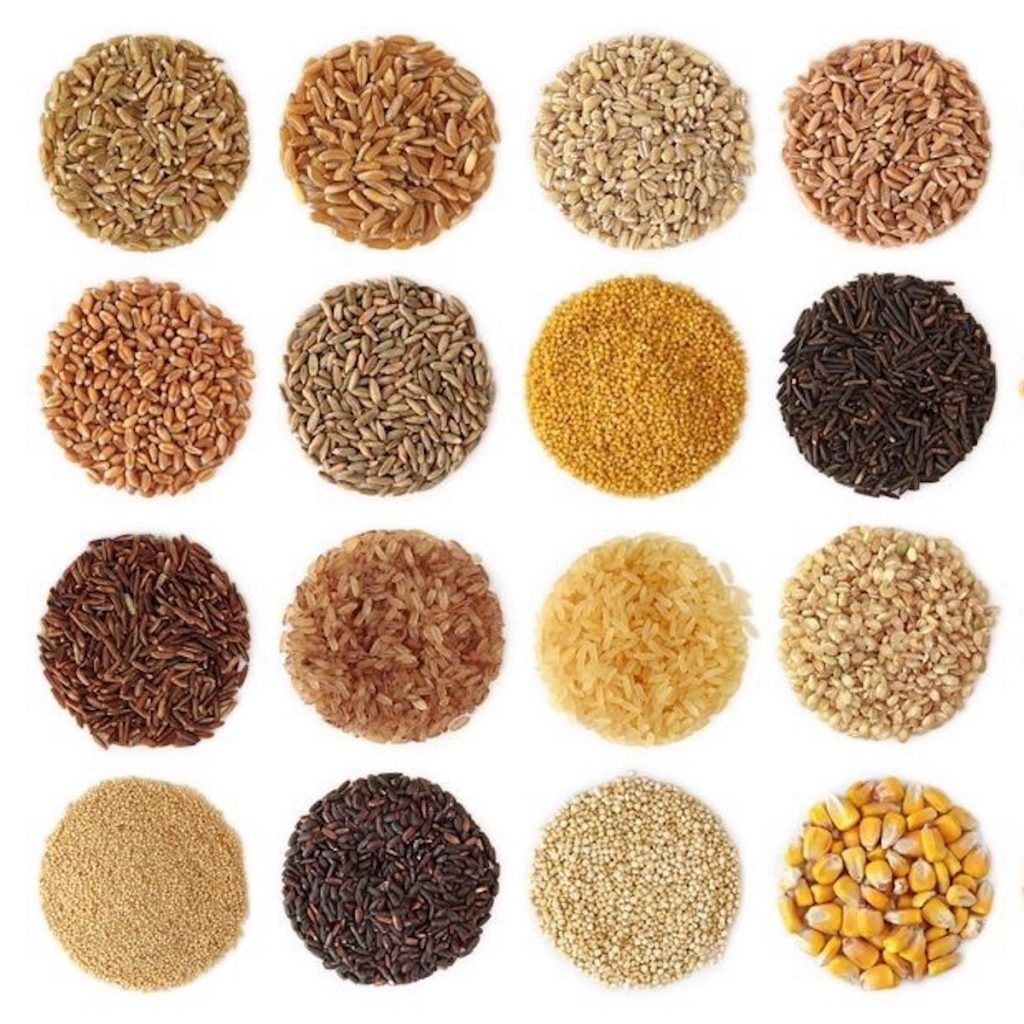
Ever start cooking grains and end up with mystery portions or mushy messes? Knowing how dry grains transform when cooked can save you from soggy rice or short-changed servings. This guide breaks down the exact conversions from dry to cooked so your dishes turn out just right—every time, with zero guesswork and plenty of confidence at the stove.
Why Grain Conversions Matter
- Dry grains expand at different rates, so one cup uncooked does not equal one cup cooked.
- Accurate conversions prevent mushy rice, crunchy quinoa, or wasted ingredients.
- Helpful for meal prep, batch cooking, and scaling recipes up or down.
- Essential when substituting grains or following nutrition plans that track portions.
- Saves time and guesswork when a recipe only lists dry or cooked amounts.
What Are the Dry To Cooked Grain Conversions & Seed Yields?
Grain conversions are one of those small kitchen details that quietly shape every meal. When a recipe calls for a cup of dry grains, the cooked result can vary dramatically depending on the grain, the liquid used, and how it’s prepared.
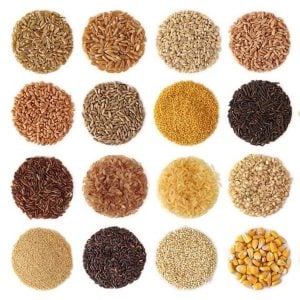
With so many whole grains now common in home cooking, from rice and oats to quinoa, farro, and barley, understanding dry-to-cooked grain yields helps eliminate guesswork and improve consistency. These differences may seem minor at first, but they affect texture, portion size, nutrition, and even how satisfied you feel after eating.
This guide clarifies grain-to-water ratios, cooking yields, and water requirements, so you can plan meals more accurately, reduce waste, and cook grains with confidence every time.
| Grains - Dry | Liquid | Yield |
|---|---|---|
| Amaranth - 1 cup | 2 cups liquid | yields 2½ cups cooked |
| Arborio Rice - 1 cup | 4 cups liquid | yields 3 cups cooked |
| Barley - 1 cup | 3 cups liquid | yields 3½ cups cooked |
| Brown Rice - 1 cup | 2½ cups liquid | yields 3 cups cooked |
| Buckwheat - 1 cup | 2 cups liquid | yields 4 cups cooked |
| Bulgur - 1 cup | 2 cups liquid | yields 3 cups cooked |
| Chia - ⅓ cup | 2 cups water | yields 17 ounces gel |
| Cornmeal - 1 cup | 4 cups liquid | yields 2½ cups cooked |
| Couscous, whole wheat - 1 cup | 1¼ cups liquid | yields 4 cups cooked |
| Farro - 1 cup | 2½ cups liquid | yields 3 cups cooked |
| Freekeh - 1 cup | 2½ cups liquid | yields 3 cups cooked |
| Grits - 1 cup | 4 cups liquid | yields 4 cups cooked |
| Hominy - 1 cup | 5 cups liquid | yields 3 cups cooked |
| Kamut - 1 cup | 3 cups liquid | yields 3½ cups cooked |
| Millet - 1 cup | 2½ cups liquid | yields 4 cups cooked |
| Oat Groat - 1 cup | 3 cups liquid | yields 3½ cups cooked |
| Oats, bran - 1 cup | 2½ cups liquid | yields 2 cups cooked |
| Polenta - 1 cup | 4 cups liquid | yields 2½ cups cooked |
| Quinoa - 1 cup | 2 cups liquid | yields 3 cups cooked |
| Rice, brown basmati - 1 cup | 2½ cups liquid | yields 3 cups cooked |
| Rice, brown, long grain - 1 cup | 2½ cups liquid | yields 3 cups cooked |
| Rice, brown, short grain - 1 cup | 2½ cups liquid | yields 3 cups cooked |
| Rice, brown, quick - 1 cup | 1¼ cups liquid | yields 2 cups cooked |
| Rye, berries - 1 cup | 3–4 cups liquid | yields 3 cups cooked |
| Rye, flakes - 1 cup | 2 cups liquid | yields 3 cups cooked |
| Sorghum - 1 cup | 3 cups liquid | yields 3½ cups cooked |
| Spelt Berries - 1 cup | 4 cups liquid | yields 3 cups cooked |
| Teff - 1 cup | 3 cups liquid | yields 2½ cups cooked |
| Wheat Berries - 1 cup | 4 cups liquid | yields 2 cups cooked |
| Wheat, cracked - 1 cup | 2 cups liquid | yields 2¼ cups cooked |
Grain Conversions FAQ
What are grain conversions?
Grain conversions explain how dry grains change when cooked, including how much liquid they absorb and how much cooked grain a given dry amount yields. Because each grain behaves differently, conversions help ensure accurate portions and consistent results.
Why do dry-to-cooked grain yields vary so much?
Each grain has a unique structure and starch content, which affects how much water it absorbs during cooking. Processing methods such as cracking, pearling, or polishing also affect expansion and final texture.
Why is it important to measure grains before cooking?
Measuring grains while dry provides consistency. Once cooked, grains swell unevenly, making volume measurements less reliable and leading to inaccurate portions.
How much do grains typically expand when cooked?
Most grains expand between two and four times their dry volume, but the exact yield depends on the grain type, cooking method, and liquid ratio used.
Do different cooking methods affect grain conversions?
Yes. Boiling, absorption methods, pressure cooking, and pilaf-style cooking all affect how much liquid a grain absorbs and its final yield.
Can I substitute one grain for another using the same conversion?
Substituting grains without adjusting ratios often leads to poor texture. Even similar grains require different amounts of liquid and cooking times.
Why does quinoa yield differently from rice?
Quinoa has a lighter structure and absorbs liquid faster than most rice varieties, producing a fluffier texture and slightly higher volume per cup dry.
Does rinsing grains change the final yield?
Rinsing removes surface starch and residue but has minimal impact on overall volume, though it can improve texture and prevent clumping.
How does grain size affect cooking yield?
Larger, denser grains generally absorb more liquid and take longer to cook, resulting in a higher cooked yield than smaller grains.
Are cracked or rolled grains different from whole grains?
Yes. Cracked, rolled, or pearled grains absorb liquid more quickly and usually produce a softer texture with slightly lower final volume.
Should grains be cooked in water or stock for accurate conversions?
Both work for conversions, but stock may contain salt or fats that slightly affect absorption and flavor without significantly changing yield.
Why do my grains sometimes turn mushy?
Using too much liquid or overcooking causes grains to burst or release excess starch, leading to a mushy texture and inconsistent results.
How can grain conversions help with meal planning?
Knowing the yield of cooked dishes helps you prepare the right amount for meals, leftovers, or batch cooking without guessing or overcooking.
Do grain conversions matter for portion control?
Yes. Understanding how much cooked grain corresponds to a given dry measurement helps maintain consistent serving sizes across meals.
Can I freeze cooked grains without changing their volume?
Freezing doesn’t change volume significantly, but moisture loss during reheating can affect texture if not handled properly.
Are ancient grains harder to convert than modern grains?
Not harder, just different. Many ancient grains absorb more liquid and require longer cooking times, making accurate conversions especially useful.
Why do recipes sometimes list cooked grains instead of dry?
Some recipes focus on texture and final volume, while others assume cooks understand the conversion. This is why conversion charts are helpful.
How precise do grain conversions need to be?
They don’t need to be exact, but being close prevents noticeable differences in texture, yield, and overall balance of the dish.
Is weight a better measurement than volume for grain conversions?
Weight is more precise, especially for dry grains, but volume measurements work well when consistent tools are used.
How often should I refer to a grain conversion chart?
Any time you cook a new grain, scale a recipe, or substitute one grain for another, a chart helps remove uncertainty.
34 Responses
Hello thanks for the information, just a question tho, when you say liquid are you still referring to water? As in water to cook the bulgur. I need to be clear on this.Thank you
Danny, the reason I say liquid and not water is because besides water, some people like to use chicken, beef or vegetarian stock while others use a combination 50/50 juice/water combination. It really depends on your personal preferences.
I have 1/4 cup barley, how much liquid would I use with that?
1/4 of 3 cups = 3/4 cup of liquid.
What Is the Dry To Cooked Grain Yield
I love this chart! just what I was looking for. We have recently retired and now I trying to create a collection of healthy recipes to become my repeatable menu for my us. I hope to find more info as I peruse your blog.
Thanks
You are very welcome and enjoy retirement.
Just what I was looking for. Thanks so much!
Very useful table I use grains quite a lot but to remember each ratio and yield not easy. Just used your chart to make a barley, mushroom and vegetable ‘risotto’ Lovely cold day lunch. Thank you I think I’ll frame this and hang in my kitchen.
How is it possible that I look up “raw to cooked grits ratio” and come up with a site that doesn’t say “grits” anywhere in it? Why is this so difficult to find online?
Wilder, thanks for pointing this out. Your answer is there now.
I was disappointed not to find these grains included:
Oat Groats (unprocessed whole-grain oats)
Kamut (you do include Spelt—why not Kamut/Khorasan?)
Rye
I assume the Barley you list is Hulled Barley (unprocessed whole grain) and not Pearled Barley or Pot Barley, but it would be really nice if you were explicit.
I’m pleased that you include things like Amaranth, Buckwheat, Chia, and Quinoa, but since none of these is a grain, perhaps you should change the title to be something like “Grains and Seeds.”
All good suggestions and will be added. Thanks Leisureguy.
So Helpful!
Your chart is a godsend, thank you thank you! Working with a scientific, gram-gy-gram doctor I need to know if whole grains’ yield holds for cracked or cereal whole grain as well!
This has everything I was looking for- thanks for the convenient chart -cheers!
Well, aren’t you a wonderful person? Yes, indeed! We just got a Zojirushi rice cooker and Instant Pot Zest rice/grain cooker. I ordered a cookbook for each machine and have watched too many videos about grains! No one provided as much info as you…and that includes the cookbooks! Thank you. When you see happy people holding hands and enjoying their healthy life, know that you could be the reason why!
thank you Sue.
Thank you so much! It’s so aggravating that on the label of every wheat, grain & pasta the weight says “dry”. Like I’m going to cook just a ¼ cup of it. I’m on a diet and I need to know how many calories are in my food, but who knew until now. We would guess double but I was always nervous about it because of the high calories in some of them. Now we know. Sigh of relief!
Again, thank you very much!
You are welcom Hazel.
Thank you! This is the most useful thing I have found on the internet in years!
You are very welcome and thanks for reaching out.
Can these grains be cooked in a rice cooker? Especially wondering about Farro (my new favorite) and barley.
Yes, these grains can be cooked in a rice cooker.
Can you tell me how much liquid in bulgar to equal 2 cups of cooked, all info I have found online is for 3 cups and it seems like I end up wasting some. Thanks!
Hi Brenda, not exact but to get to 2 cups, it’s about 70% of each so .7 cups of rice and 1.4 cups of water should yield around 2 cups of Bulgar rice. If it were me, I would make the 3 cups of rice, use 2 cups for the recipe and save the other cup for lunch or better yet, a nice breakfast bowl with a poached egg on top.
Very useful website! I’m sharing it with friends who like to cook.
This is wonderful. Any idea what the conversions are for grams? Or water used if cooking in an instant pot?
I don’t know, but I could work on a table for gram conversions. As for the amount of water for an Insta pot, no idea.
Hi, I just found this list, thank you.I have a couple of questions:
Do you happen to know how many grams (or ounces) are in the 1 cup measurements. I have found that there can be some differences depending on which measuring cup I use so I prefer to be more exact and use a food scale.
Also, when you indicate 1 cup, especially for the rice, is that a regular dry measure cup or is it a “rice measuring 1 cup” which is actually considerably smaller than a regular cup. I have both a rice cooker and a pressure cooker-type and both refer to the “special cup used for rice measurements”.
Thanks, I look forward to hearing back from you
Sue, great questions. One dry cup is equal to 6.8 US dry ounces or 192.777 grams. I believe this is why rice cookers come with their own measuring cups because they figure people will use their liquid measuring cups. I do this all the time and know it is not accurate, but I find it doesn’t matter that much. Now baking is another story, and you have to be accurate, but cooking rice not as much.
Well, like all the other commenters have said, this is amazing!! And thank you for accommodating all of the questions and tweaks!! ?
Thanks for letting me know Michele.
Thank you for this! Is the yield for whole wheat *fine* couscous the same as whole wheat *pearl* couscous? Thanks!
Hi Rachel, I have not heard of “fine” couscous, but I assume you are speaking of Moroccan couscous. And your reference to “pearl” couscous is Lebanese Pearl, which is roughly the size of a pea and larger than Israeli couscous. Now to their yields. I found online that 1 cup of Pearl couscous yields 3 cups cooked or one cup less than Moroccan. I can’t guarantee this is correct without actually cooking both. If you make some Lebanese Pearl couscous, please send me your yield. Thanks