How to Make Perfect Green Peppercorn Sauce Every Time

Green peppercorn sauce isn’t just fancy—it’s creamy, spicy, and the perfect upgrade for steak, chicken, or pork. Forget bland condiments; this quick 50-minute version delivers bold, restaurant-worthy flavor without the wait. Ready to turn simple meals into unforgettable dinners that wow every time?

Why This Recipe Works

  • Savory aromatics: Shallots add natural sweetness and depth, building the flavor foundation.
  • Flavor extraction: Brandy, wine, and port deglaze the pan, lifting all those browned bits into the sauce.
  • Umami concentration: Reducing the stock intensifies savory notes and thickens the base for richness.
  • Smooth richness: Cream and butter emulsify the sauce, giving it a velvety, silky texture.
  • Gentle heat: Green peppercorns provide aromatic spice with a subtle bite.
  • Bright finish: A splash of sherry vinegar balances the richness and lifts the overall flavor.
  • Layered depth: Each step—sautéing, reducing, finishing fats—acts as a flavor catalyst for a complex sauce.

Green Peppercorn Sauce - Long & Short Versions

Green peppercorn sauce is a rich, flavorful addition that elevates any dish, from steak to chicken and even roasted vegetables. In this post, I’ll guide you through two easy versions of this classic sauce — one that takes about 50 minutes and another you can whip up in just 20 minutes.

Whether you’re aiming for deep, slow-cooked complexity or a quick, vibrant finish, you’ll find a method that fits your schedule and taste.

The 50-minute version allows the flavors to develop gradually, blending creamy textures with the sharp, spicy bite of green peppercorns. It’s perfect when you have a bit more time to savor the cooking process and want that luxurious depth in your sauce.

On the other hand, the 20-minute version focuses on speed without sacrificing flavor. Using fresh ingredients and a few smart shortcuts, it delivers a bright, punchy sauce that complements your meal beautifully.

Both recipes are straightforward and use accessible ingredients, making green peppercorn sauce achievable for cooks at any level. Whether you’re cooking for a special occasion or a quick weeknight dinner, mastering these two versions will add a delicious and impressive touch to your culinary repertoire.

Green Peppercorn Sauce – 50 minute version

How to make the longer version of this sauce.
Prep Time5 minutes
Cook Time40 minutes
Total Time45 minutes
Course: Sauces
Cuisine: French
Keyword: sauce
Servings: 2 cups

Ingredients

  • 2 tablespoons olive oil
  • 2 medium shallots
  • 2 tablespoons Dijon mustard
  • 2 tablespoons sherry wine vinegar
  • ½ cup decent brandy I used a Cognac because I didn't have any brandy in the house
  • 1 cup red wine
  • 1 cup port
  • 2 cups homemade beef stock or a good commercial brand
  • ½ cup heavy cream half and half if you are counting calories
  • 2 tablespoons butter unsalted
  • 2 tablespoons green peppercorns in brine

Instructions

  • Mince the shallots.
  • Heat your saucepan over medium-high heat, add the oil and let it get hot but not smoking. Add the shallots and cook until they are a golden brown but pay attention and keep stirring so they don't burn and you have to start all over again. Should take about 4 to 5 minutes.
  • Add the mustard and sherry vinegar. By the way, sherry vinegar is not that easy to find. If you can't find it in your local supermarket, you may have to look in a fancy gourmet store like William Sonoma or try finding it on the Internet.
  • Reduce this combination by half, which takes only about 1 minute.
  • Add the brandy or Cognac and cook to burn off all the alcohol. About 3 minutes.
    I like to remove the pan from the flame on the stove top before adding any liquid that contains alcohol and can potentially blow up in my face. It shouldn't happen if you remove the pan, but be careful.
  • Add the red wine and port and reduce again by half. This takes a good 20 minutes. You want the sauce to be simmering so if starts to boil, reduce the heat to medium or medium-low.
  • When the sauce is reduced, remove it from the heat and add the cream, butter and crushed peppercorns. Taste and season for salt.

Mistakes to Avoid

  • Boiling the cream: Adding cream over high heat can cause the sauce to separate or curdle. Always add gradually over low heat and stir constantly.
  • Undercooking the shallots: Raw or under-sautéed shallots can taste sharp or bitter. Cook until translucent to release their natural sweetness.
  • Skipping the reduction: Not reducing the stock and wine first can leave the sauce thin and lacking depth. Proper reduction concentrates flavors and thickens the sauce naturally.
  • Over-smashing peppercorns: Pulverizing them too finely can make the sauce gritty. Crush gently to release flavor while keeping some texture.
  • Neglecting seasoning: Salt and acidity (like sherry vinegar) are essential to balance richness. Taste and adjust gradually to avoid a flat or overly heavy sauce.
  • Using cold ingredients straight from the fridge: Adding cold cream or butter can shock the sauce, leading to separation. Bring ingredients closer to room temperature before finishing the sauce.

Where to Use Green Peppercorn Sauce

Food Why It Works Wine Pairing
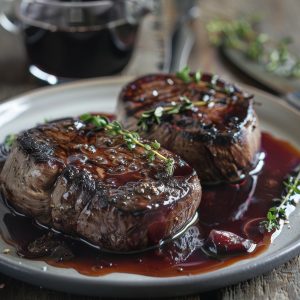
Beef Tenderloin The sauce enhances the natural richness of the beef without overpowering it. Cabernet Sauvignon or Syrah
Grilled Pork Chops Peppery kick complements the mild, juicy pork. Pinot Noir or Zinfandel
Roast Chicken Adds bold flavor to a neutral protein; elevates simple roasted chicken. Chardonnay or Sauvignon Blanc
Pan Seared Duck Breasts Balances the fattiness of duck with spicy, savory depth. Merlot or Grenache
Grilled Lamb Chops Pairs well with lamb’s earthy, bold flavor; the sauce adds a gourmet touch. Malbec or Côtes du Rhône
Veal Cutlets Classic French pairing; sauce gives delicate veal extra richness and flair. White Burgundy or Chianti Classico
Grilled Mushrooms Earthy umami from mushrooms complements the deep, spicy sauce beautifully. Barbera or aged Rioja
Pan-Seared Tofu Sauce adds complexity and richness to mild tofu, especially when crisped. Dry Riesling or Grüner Veltliner
Venison Medallions Gamey meat stands up well to the bold sauce; perfect for special dinners. Bordeaux blend or Petite Sirah
Mashed Potatoes (side) Sauce can double as a rich, savory gravy alternative. Same wine as main dish being served

The Secret to Making a 20 Minute Green Peppercorn Sauce Recipe

Demi-Glace

What is the main difference between this quicker version of Green Peppercorn Sauce and the longer version? It uses demi-glace.

Demi-glace is a rich brown sauce made by simmering beef and veal stock for hours until it reduces into a thick glaze. A classic demi-glace includes a few more ingredients, and if you’re curious about making it from scratch, you can check out my guide here.

I’ve made traditional demi-glace a few times at home—it’s essential for creating those fancy restaurant-style sauces. But let me tell you, it’s a serious time commitment. Once I discovered some excellent commercial brands (the same ones used in professional kitchens), I switched to them. Now I make way more sauces—both classic and simple—for beef, chicken, lamb, and even fish.

Here’s a faster way to make Green Peppercorn Sauce using store-bought demi-glace. It’s easy, rich, and still tastes like something you’d get at a high-end steakhouse.

Green Peppercorn Sauce – 20 minute version

Prep Time5 minutes
Cook Time20 minutes
Total Time25 minutes
Course: Sauces
Cuisine: French
Keyword: sauce

Ingredients

  • 2 tablespoons olive oil
  • 2 medium shallots
  • 2 tablespoons Dijon mustard
  • 2 tablespoons sherry wine vinegar
  • ½ cup brandy I used a Cognac because I didn't have any brandy in the house
  • ¼ cup red wine
  • ¼ cup port
  • 1 cup of demi glace
  • ½ cup heavy cream half and half if you are counting calories
  • 2 tablespoons butter unsalted
  • 2 tablespoons green peppercorns in brine

Instructions

  • Mince the shallots.
  • Heat your saucepan over medium-high heat, add the oil, and let it get hot but not smoking.
  • Add the shallots and cook until golden brown, but pay attention and keep stirring so they don't burn, and you have to start all over again. It should take about 4 to 5 minutes.
  • Add the mustard and sherry vinegar.
  • Reduce this combination by half, which takes only about 1 minute.
  • Add the brandy or Cognac and cook to burn off all the alcohol—about 3 minutes.
    I like to remove the pan from the flame on the stovetop before adding any liquid that contains alcohol and can potentially blow up in my face. It shouldn't happen if you remove the pan, but be careful.
  • Next, add the red wine and port and reduce again by half. This should only take 5 to 10 minutes since you are reducing much less liquid. You want the sauce to be simmering, so reduce the heat to medium or medium-low if it starts to boil.
  • Add the demi-glace and continue reducing until the sauce is the consistency you like.
    I use a spoon to check for the right consistency. When it is thick enough to coat the back of the spoon, I'm there.
  • When the sauce is reduced to your liking, remove it from the heat and add the cream, butter, and crushed peppercorns.
  • Taste and season for salt. It should be a good consistency, but you can always reduce it a little more if you like.
  • The whole process should take about 20 minutes or 30 minutes less than the "longer" version and, in my opinion, will have much more flavor using a real demi.

Notes

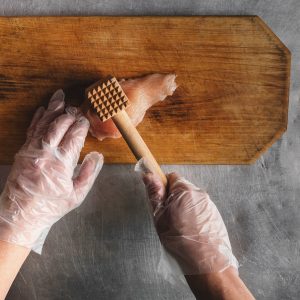
To prep the green peppercorns, I removed them from the jar, drained any of the brine and placed them into a Ziploc bag. I then proceeded to smash them with a meat mallet I use for pounding chicken breasts or veal into scaloppini. You could also try using your heavy bottomed saucepan or even a can of soup.
This recipe is very similar to the longer version except there isn't as much time spent making reductions because you are already using a stock reduction with the demi glace.
Green Peppercorn Sauce FAQ

1. What are green peppercorns, and how are they different from black peppercorns?
Green peppercorns are unripe pepper berries, typically milder and fresher tasting than black peppercorns. They provide aromatic spice with less heat and a slightly fruity note, making them perfect for creamy sauces.

2. How do I prep the green peppercorns for the sauce?
I remove them from the jar, drain any brine, and place them into a Ziploc bag. Then I smash them gently with a meat mallet I normally use for pounding chicken breasts or veal into scaloppini. You could also use the bottom of a heavy saucepan or even a can of soup as a makeshift crusher. The goal is to release their flavor without turning them into a fine powder.

3. Can I use black peppercorns instead?
Yes, but the flavor will be more pungent and intense. Consider reducing the quantity slightly and crushing them coarsely to avoid overpowering the sauce.

4. Do I have to use brandy or wine in this sauce?
Alcohol helps deglaze the pan and extract flavors from browned bits, adding depth. If you prefer not to use alcohol, you can substitute low-sodium chicken or beef stock and a splash of apple cider vinegar for acidity.

5. How do I make the sauce ahead of time?
You can prepare the sauce up to 24 hours in advance and store it in an airtight container in the refrigerator. Reheat gently over low heat, adding a splash of stock or cream to bring it back to the right consistency.

6. Why does the sauce need to reduce before adding cream?
Reducing the stock and wine concentrates flavors and thickens the sauce. Adding cream too early can prevent proper thickening and dilute the intensity of the sauce.

7. Can I make this sauce dairy-free?
Yes! Substitute heavy cream with coconut cream or cashew cream, and replace butter with a dairy-free margarine or oil. The sauce will still be rich but with a slightly different flavor profile.

8. What meats or dishes pair best with green peppercorn sauce?
This sauce is classic on steak or roasted chicken but also complements pork chops, seared fish, and roasted vegetables. Its creamy, peppery flavor adds richness to a variety of proteins.

9. How do I store leftover sauce?
Keep leftovers in an airtight container in the refrigerator for up to 3 days. You can also freeze the sauce for up to 2 months; thaw gently and reheat over low heat, stirring occasionally.

10. Why does the sauce sometimes separate or curdle?
Separation usually happens if the cream is added over high heat or boiled. Always add cream gradually over low heat and stir constantly to maintain a smooth emulsion.

11. Can I adjust the spiciness of the sauce?
Yes. Increase the amount of green peppercorns for more heat or add a pinch of crushed red pepper flakes. Conversely, reduce the peppercorns for a milder sauce.

2 Responses

Leave a Reply

Your email address will not be published. Required fields are marked *

Recipe Rating


This site uses Akismet to reduce spam. Learn how your comment data is processed.