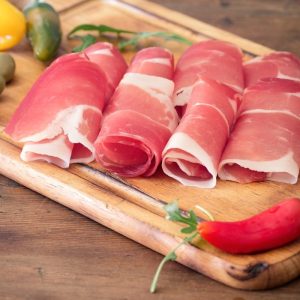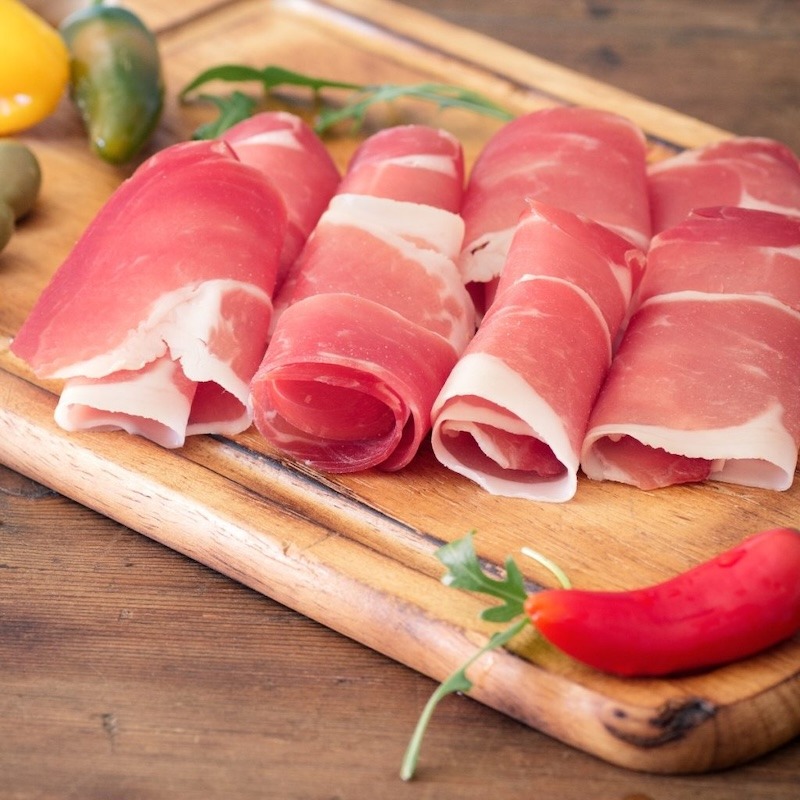

Prosciutto isn’t just “expensive ham”—it’s a centuries-old Italian delicacy with flavor, texture, and tradition all wrapped into every silky slice. If you’ve ever wondered how to pick, store, and serve it (or what pairs best without overpowering it), this guide has you covered. Learn what makes prosciutto special and how to enjoy it like a pro.
Fast Scan: Prosciutto at a Glance
- What it is: Italian dry-cured ham, salted and air-dried for months or years
- What makes it special: Delicate texture, rich savory flavor, aromatic finish
- How it’s served: Thinly sliced, at room temperature, often uncooked
- How it’s used: Charcuterie boards, wrapped around fruit or vegetables, folded into pasta, crisped for toppings
- How it compares: More refined than bacon, less aggressive than pancetta
- Why it’s worth it: A small amount adds big flavor and instant elegance
Prosciutto Explained: Types, Best Uses, Pairings, and How to Serve It
Prosciutto adds instant elegance to a dish, the kind you notice before the plate even hits the table. I don’t use it every day, but when I do, it never feels ordinary.
This Italian dry-cured ham earns its reputation through contrast. It delivers rich flavor with a delicate touch, deep aroma without heaviness. Unlike pancetta or guanciale, which often melt into sauces or render in a pan, prosciutto shines in its purest form, sliced paper-thin and served as is.
Producers treat prosciutto as both craft and patience exercise. They salt the hind leg of a pig, then air-dry it slowly, allowing time, air, and restraint to do the work. Months pass. Sometimes years.
As moisture fades, flavor concentrates. The texture softens. What remains feels refined rather than aggressive, savory without shouting. That balance explains why prosciutto elevates everything it touches.
You’ll see it wrapped around ripe melon, folded into pasta, scattered over crisp pizza, or served simply with cheese and olives. It may cost more than everyday cured meats, but you only need a little to make a statement.
Whether you add prosciutto to a weeknight meal or serve it at a gathering, it delivers depth, restraint, and a clear sense of Italian tradition in every bite.
Types of Prosciutto
Who knew there are so many different types of prosciutto, with their unique flavor and production method? Some of the most popular types of prosciutto include:
Many other types of prosciutto are made in different regions of Italy and other countries as well. Each type has its unique flavor and character, and all are beloved by prosciutto lovers worldwide.
| Prosciutto | Origin | Description |
|---|---|---|
| Prosciutto di Parma (PDO) | Parma, Emilia-Romagna, Italy | The most famous variety, aged at least 12 months. Sweet, nutty, delicate flavor with melt-in-your-mouth texture. Made with pork and sea salt only. |
| Prosciutto di San Daniele (PDO) | San Daniele del Friuli, Friuli Venezia Giulia, Italy | Aged at least 13 months. Slightly darker and sweeter than Parma prosciutto, with a soft, silky texture. |
| Prosciutto Toscano (PDO) | Tuscany, Italy | Heavily spiced with pepper, garlic, and local herbs. More savory and robust, with a firmer texture. |
| Prosciutto di Modena (PDO) | Modena, Emilia-Romagna, Italy | Balanced flavor with subtle sweetness and aroma. Typically aged 14-16 months; less salty than other varieties. |
| Prosciutto di Carpegna (PDO) | Carpegna, Marche, Italy | Delicate, aromatic, with a gentle sweetness. Produced in small quantities; air-dried in mountain climate. Aged at least 13 months. |
| Prosciutto di Cinta Senese (PDO) | Siena, Tuscany, Italy | Made from heritage Cinta Senese pigs. Rich, complex flavor with pronounced marbling and a deep, savory taste. Rare and prized. |
| Prosciutto di Norcia (PGI) | Norcia, Umbria, Italy | Rustic, hearty flavor with a distinct mountain-air cured character. Often aged longer for an intense, traditional taste. |
Ways to Cook with Prosciutto
Prosciutto is a versatile ingredient used in many different ways in cooking. Here are some of the most popular ways to use prosciutto in the kitchen:
| Dish | Description |
|---|---|
| Appetizers | Thin slices served alone or wrapped around melon, figs, or asparagus. Elegant and simple starters that highlight prosciutto’s delicate flavor. |
| Charcuterie Board | Featured alongside cheeses, olives, nuts, and fruits for a balanced platter highlighting prosciutto’s delicate, salty notes. |
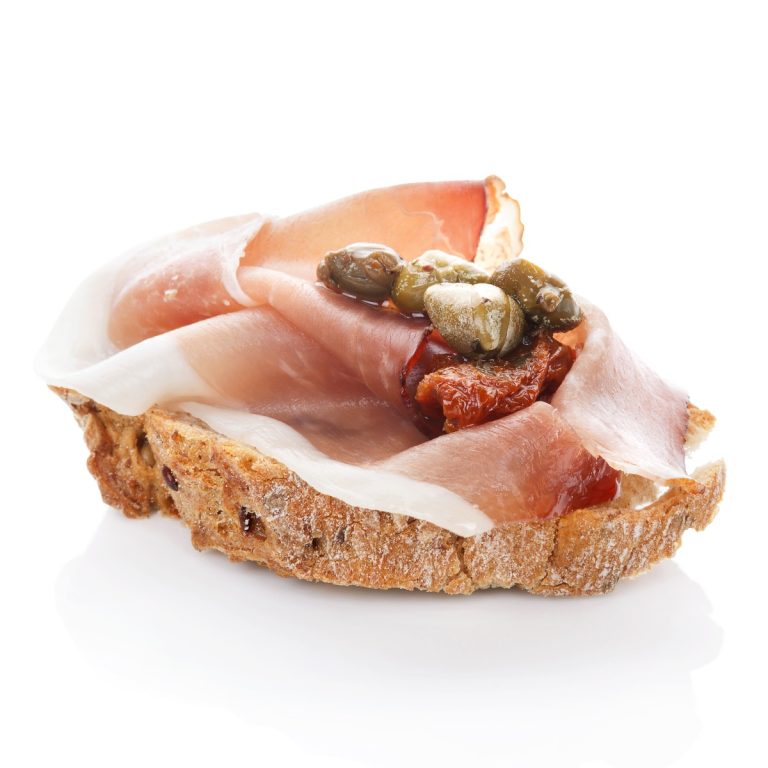
| Crostini | Placed atop toasted bread with spreads like ricotta, fig jam, or pesto for a quick, tasty bite. |
| Frittatas | Mixed into beaten eggs with herbs, cheese, and veggies, providing bursts of savory, cured meat flavor throughout the frittata. |
| Omelets | Added to omelets with cheese and herbs, providing a salty contrast to the fluffy eggs. |
| Pasta | Tossed into warm pasta dishes like carbonara or creamy sauces, prosciutto adds depth and a savory, slightly smoky note. Also great in cold pasta salads. |
| Pizza | Added after baking or just before finishing, prosciutto adds a salty, savory contrast to melted cheese and tomato sauce. Works well with arugula or burrata toppings. |
| Quiche | Incorporated into egg custards with cheese and vegetables, prosciutto imparts a rich, salty flavor that elevates the dish. |
| Risotto | Stirred into creamy risotto to add a savory, meaty depth that complements the richness of the rice. |
| Salads | Draped over fresh greens, paired with cheeses like mozzarella or Parmesan, nuts, and vinaigrettes for a flavorful, protein-rich salad. |
| Sandwiches | Layered with fresh mozzarella, tomatoes, or roasted vegetables on crusty bread or ciabatta, creating a sophisticated and flavorful sandwich. |
| Stuffed Vegetables | Used as a flavorful wrapping or mixed into fillings for stuffed peppers, mushrooms, or zucchini boats. |
| Wraps | Wrapped around cheese sticks, breadsticks, or vegetables like asparagus for an easy, elegant finger food. |
What’s In a Name?
The word “prosciutto” comes from the Italian word “prosciugare,” which means “to dry.” This is fitting, as the key to prosciutto’s distinctive taste and texture is the slow, patient drying process.
Traditionally, prosciutto was produced in the northern Italian regions of Parma, San Daniele, and Modena. Still, it is now made in other parts of Italy and many other countries.
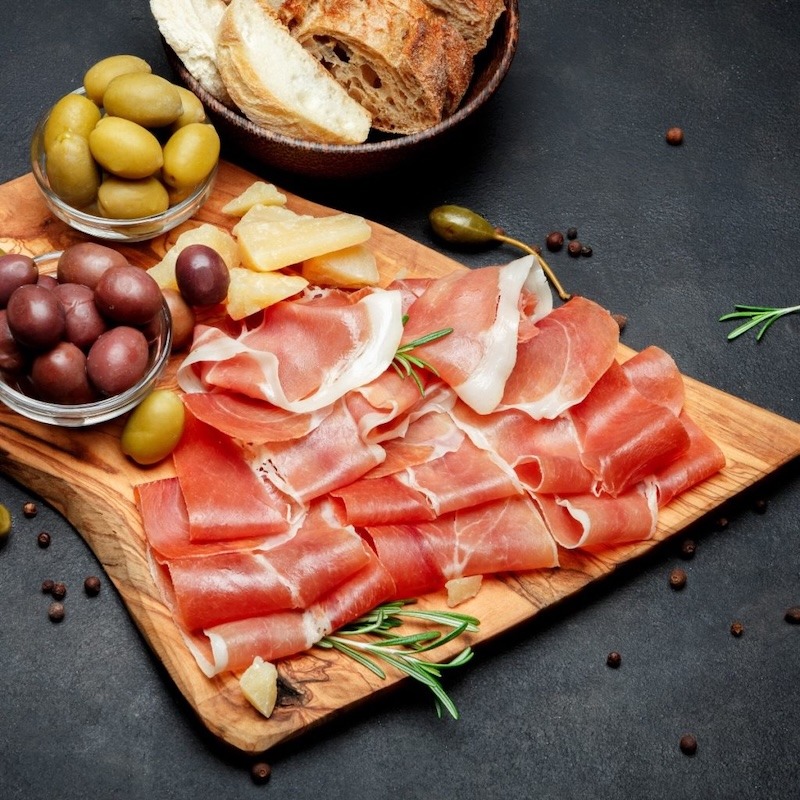
Prosciutto is typically served in thin slices as an appetizer or antipasto, either on its own or with other cured meats, cheeses, or olives. It is also a popular ingredient in many Italian dishes, such as pasta, pizza, and risotto, adding a salty, savory flavor to these dishes.
There are two main types of prosciutto: prosciutto crudo (raw) and prosciutto cotto (cooked). Prosciutto crudo is the more traditional type, made from a dry-curing process. In contrast, prosciutto cotto is cooked and often used as a substitute for ham in sandwiches and other dishes.
Prosciutto is a beloved delicacy that people have enjoyed for centuries. Its rich flavor and tender texture make it a versatile ingredient in many recipes, and its long history and traditional production methods give it a unique and authentic character.
Why Is It So Expensive?
Time and Labor-Intensive Production Process
Production is labor-intensive and takes much time and care. The meat needs to be carefully selected and prepared, and it then needs to be salted and cured for an extended period. The entire process can take anywhere from 12 to 36 months, depending on the type. The long curing time and the attention to detail required during production contribute to the high cost.
High-Quality Ingredients
The quality of the ingredients used to make it also contributes to its high cost. The best prosciutto is made from specially-raised pigs that are fed a specific diet and are free from antibiotics and hormones. The pigs must be raised in a specific region of Italy, and their meat must meet strict quality standards. The high cost of these high-quality ingredients is reflected in the price of prosciutto.
Limited Production
Produced in limited quantities, which drives up the price. It is only made in some areas of Italy and other countries where the climate and other conditions are suitable for curing the meat. Additionally, only a certain number of pigs are used to make prosciutto each year, which limits the supply and contributes to the high cost.
High Demand
Prosciutto is a popular delicacy worldwide, and its high demand also contributes to its high cost. Because it is a luxury item, people are willing to pay more, increasing the price.
Is Prosciutto Like Bacon?
Prosciutto and bacon are both types of cured pork, but they differ in flavor, texture, and preparation.
Bacon is typically made from pork belly and is heavily smoked, giving it a smoky, salty flavor. It is usually sliced thick and is often fried or baked before serving. Bacon is often used as a breakfast food but can also be used in sandwiches, salads, and other dishes.
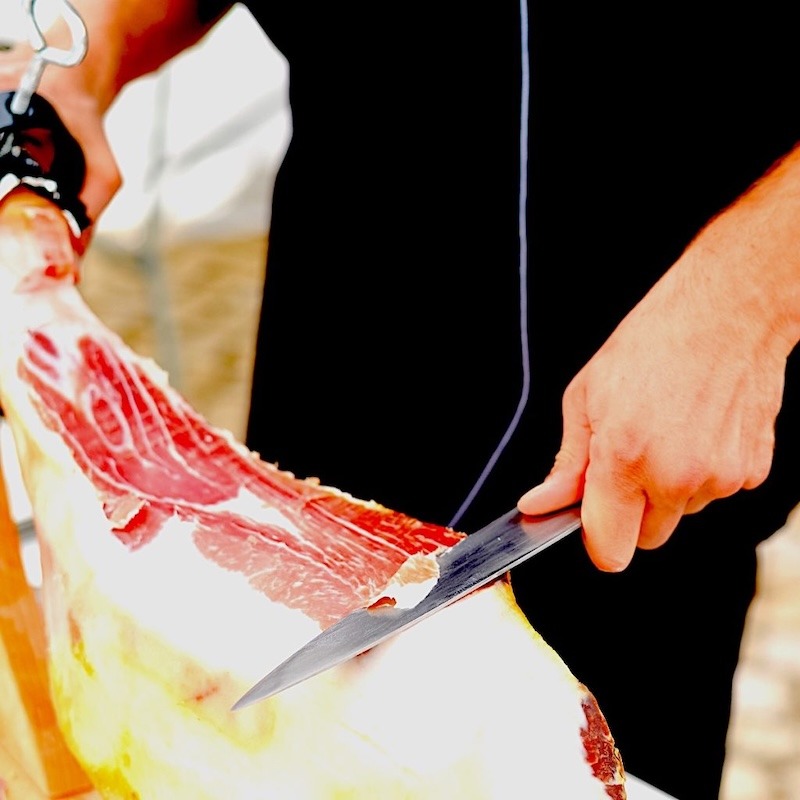
Prosciutto, on the other hand, is made from the pig’s hind leg and is air-dried rather than smoked. As a result, it has a delicate, savory flavor that is not as salty as bacon. It is typically sliced very thin and is often served as an appetizer or used as a garnish for other dishes.
While bacon and prosciutto are types of cured pork, they are quite different in terms of flavor, texture, and usage. Bacon is generally used in dishes that require a strong smoky flavor, while prosciutto adds a delicate, savory flavor to a wide range of dishes.

Where to Buy Prosciutto?
If you’re looking to buy prosciutto, there are several options available, depending on your location and preferences.
Specialty Stores
Specialty stores, such as Italian markets and gourmet food stores, are excellent places to start when looking for it. These stores often carry high-quality imported prosciutto from Italy and other regions and locally made varieties.
Online Retailers
Many online retailers specialize in selling high-quality food products, including prosciutto. When buying prosciutto online, read reviews and look for retailers with a good reputation for quality and customer service.
Supermarkets
Many supermarkets now carry prosciutto in their deli sections. While the quality of the prosciutto may vary, this can be a convenient and affordable option for buying prosciutto.
Farmer's Markets
If you have a local farmer’s market in your area, you may be able to find locally made prosciutto from small-scale producers. This can be an excellent way to support local businesses and get a unique, high-quality product.
Prosciutto FAQ
What is prosciutto?
Prosciutto is an Italian dry-cured ham traditionally made from the hind leg of a pig. It is salted, air-dried, and aged for months or even years, developing a delicate texture and a rich, savory flavor. The most common version is prosciutto crudo, which is cured but not cooked.
How is prosciutto made?
Prosciutto is made by salting whole pork legs, resting them to draw out moisture, washing off excess salt, and then aging them in carefully controlled environments. During aging, natural enzymes break down the meat, creating its signature tenderness and complex flavor without smoking or cooking.
What is the difference between prosciutto crudo and prosciutto cotto?
- Prosciutto crudo is raw, dry-cured, and aged. It is sliced thin and eaten uncooked.
- Prosciutto cotto is cooked ham. It is milder, softer, and closer to traditional deli ham, though still higher quality.
What are the main types of Italian prosciutto?
Some of the most well-known varieties include:
- Prosciutto di Parma (PDO) – sweet, nutty, and delicate
- Prosciutto di San Daniele (PDO) – slightly darker with a richer flavor
- Prosciutto Toscano – saltier and more rustic
Protected Designation of Origin (PDO) labels ensure authenticity and traditional production methods.
Why is prosciutto so expensive?
Prosciutto takes time. High-quality pork, strict curing standards, long aging periods, and limited yields all contribute to the price. A single leg may age for 12–36 months before it is ready to slice, tying up resources and labor the entire time.
Can you cook prosciutto?
Yes, but gently. Prosciutto is best added at the end of cooking or used as a wrapping ingredient. When cooked, it becomes crisp and concentrated in flavor, making it ideal for wrapping vegetables, topping pizzas, or adding crunch to pasta and salads.
Is prosciutto the same as ham?
Not exactly. While both come from pork, prosciutto is dry-cured and aged, while most ham is wet-cured and cooked. Prosciutto has a firmer texture, deeper flavor, and is usually served thinly sliced.
What does prosciutto taste like?
Prosciutto has a balanced salty-sweet flavor with buttery fat and a clean finish. High-quality prosciutto should never taste harsh or aggressively salty; it should melt on the tongue.
How should prosciutto be served?
For best flavor:
- Serve at room temperature
- Slice very thin
- Avoid stacking slices tightly
This allows the fat to soften and the aroma to fully develop.
What foods pair well with prosciutto?
Prosciutto pairs beautifully with:
- Fruit: melon, figs, pears
- Cheese: Parmigiano-Reggiano, burrata, fresh mozzarella
- Bread: crusty Italian bread, focaccia
- Wine: Prosecco, Pinot Grigio, light reds
How do you store prosciutto?
- Sliced prosciutto: Wrap tightly in parchment or plastic and refrigerate. Use within 2–3 days.
- Whole prosciutto: Store in a cool, dry place if unopened. Once cut, cover the exposed surface and refrigerate.
Is prosciutto safe to eat raw?
Yes. Prosciutto crudo is safe to eat because the curing and aging process preserves the meat and prevents harmful bacterial growth.
How much prosciutto should I serve per person?
For appetizers or charcuterie, plan on 1 to 2 ounces per person. A little goes a long way due to its rich flavor.
Is prosciutto healthy?
Prosciutto is high in protein and contains beneficial fats, but it is also high in sodium. It’s best enjoyed in moderation as part of a balanced diet.
Can prosciutto be frozen?
Freezing is not recommended. It alters the delicate texture and can dull the flavor. If necessary, freeze tightly wrapped and use only for cooking, not serving raw.
What is the best way to buy prosciutto?
Look for:
- PDO labels
- Visible marbling
- Fresh slicing at the deli
Avoid packages with excessive moisture or grayish coloring.
What’s the difference between prosciutto and pancetta?
Prosciutto comes from the leg and is aged whole. Pancetta comes from the belly, is cured but not aged as long, and is often used like bacon in cooking.