Roquefort dressing isn’t just for salads—it’s a punchy, creamy upgrade that makes any greens feel gourmet. Bold, tangy, and effortlessly indulgent, this dressing proves blue cheese can steal the show without stealing your sanity. Ready to elevate your salad game and wow every bite?
Why This Recipe Works
- Real Roquefort, real flavor
Sheep’s-milk Roquefort delivers sharper tang, deeper umami, and a creamier melt than standard blue cheese. - Balanced, not overpowering
Buttermilk and lemon cut the richness so the dressing tastes bold and elegant, never heavy. - Restaurant-quality texture
Whisked, not blended, for a creamy base with crave-worthy blue cheese crumbles. - Fast and foolproof
No cooking, no special tools, and ready in about 10 minutes. - More than a salad dressing
Works as a dip, drizzle, or steak sauce. One recipe, many uses.
Roquefort Dressing Recipe (Creamy, Bold & Better Than Bottled)
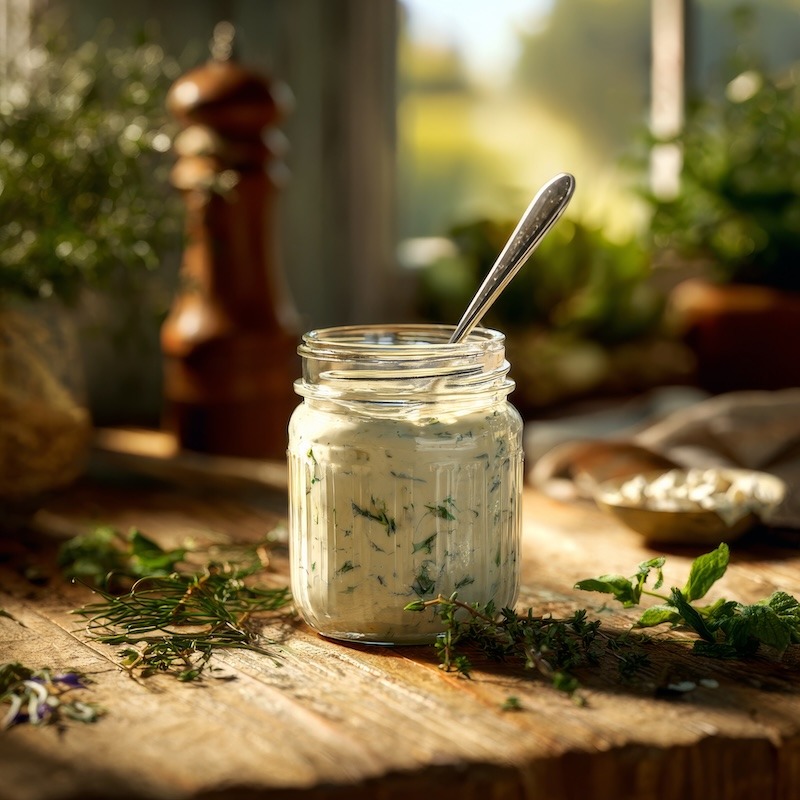
Roquefort dressing is bold, creamy, and unapologetically flavorful. This is the kind of dressing that turns an ordinary salad into the main event and makes wings, fries, and grilled meats suddenly more interesting.
What sets it apart is the cheese. Roquefort, a French blue cheese made from sheep’s milk, delivers a sharper tang and deeper savoriness than typical blue cheese dressings. When you fold it into a creamy base of sour cream and mayonnaise with just enough acidity, the result is thick, rich, and perfectly balanced. It coats every bite instead of sliding off.
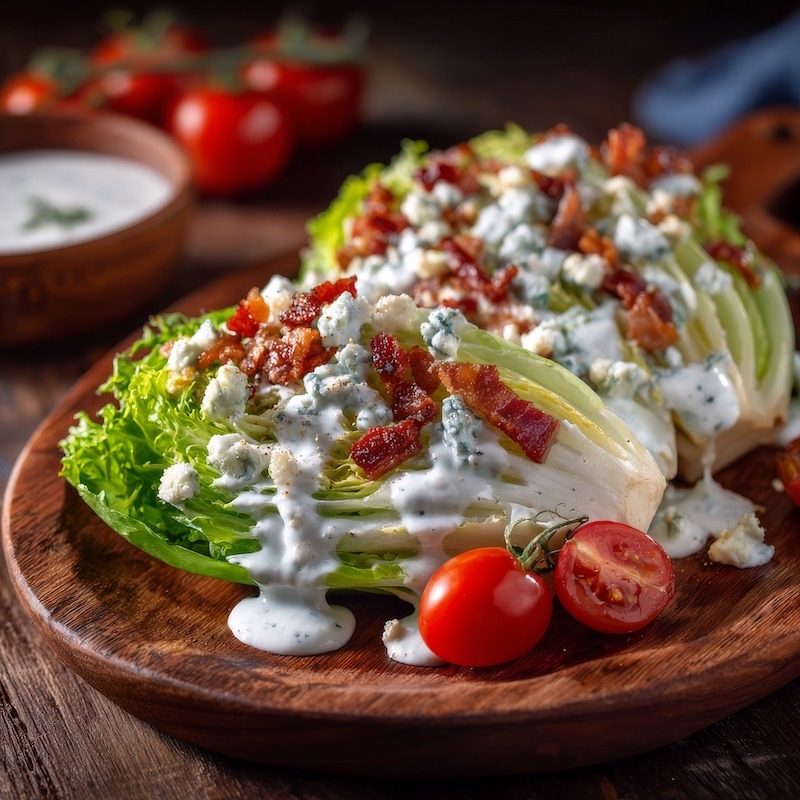
This dressing shines on classic wedge salads, grilled steak, roasted vegetables, and as a dip for anything crispy. If your only reference point is bottled blue cheese dressing, this homemade version will feel like a revelation.
New to Roquefort? No problem. It crumbles easily and blends smoothly. The key is tempering its intensity with creaminess and a touch of acid. Get that balance right and there’s no going back.
Best of all, this recipe is effortless. No cooking. No special tools. Just stir, chill, and serve.
Roquefort Dressing Recipe
Ingredients
- ¼ cup sour cream
- ⅓ cup buttermilk
- 1½ cups mayonnaise
- 2 tablespoons fresh lemon juice
- ½ teaspoons Worcestershire sauce
- ¼ teaspoon Tabasco
- 5 ounces Blue Cheese Roquefort or some other style
Instructions
- Combine all the ingredients except for the cheese in a bowl and whisk them until smooth.
- Crumble in the blue cheese and mix together gently if you like clumps of cheeses in your dressing or more aggressively if you like it more smooth.If you want it really smooth, you may want to combine everything in a blender but I think you lose the mouth feel when you lose the texture from the chunks of blue cheese.
- Taste and adjust seasonings with a little salt & pepper.
- Serve on greens or try it on grilled chicken breasts. I bet it would work well with steamed or grilled vegetables like asparagus.
Why Roquefort Cheese Is Great In Salad Dressings
Roquefort cheese is often used in salad dressings because of its unique flavor profile and texture, which can elevate the taste of salads in several ways:
| Feature | Description |
|---|---|
| Distinct Flavor | Bold and tangy with complex undertones. Balances other ingredients, adding depth and a well-rounded taste to dressings. |
| Creamy Texture | Blends smoothly for a velvety consistency. Helps coat salad ingredients evenly, improving mouthfeel. |
| Umami Boost | Naturally rich in glutamates, which enhance the savory, satisfying flavor of the dressing. |
| Contrast with Sweet/Fruity | Tangy and salty notes pair well with fruits, candied nuts, or honey-based elements, creating a flavorful sweet-salty balance. |
| Versatility | Works in creamy dressings and vinaigrettes. Encourages creativity with different flavor pairings for a wide range of salads. |
Serving Ideas
| What to Serve It On | How to Serve It | Why It Works |
|---|---|---|
| Wedge Salad | Drizzle generously over crisp iceberg and finish with cracked pepper. | The creamy dressing clings to the leaves and balances the crunch with bold flavor. |
| Grilled Steak | Spoon over sliced steak or serve on the side as a sauce. | Roquefort’s savory tang cuts through rich beef and adds steakhouse flair. |
| Chicken Wings | Use as a dipping sauce alongside hot wings. | The cool, creamy dressing tempers heat while enhancing savory notes. |
| Crispy Fries | Serve warm fries with dressing for dipping. | Salty, crunchy fries pair perfectly with the dressing’s rich, tangy profile. |
| Roasted Vegetables | Drizzle lightly over roasted broccoli, Brussels sprouts, or cauliflower. | The bold dressing adds depth to caramelized vegetables without overpowering them. |
| Burgers | Spread on the bun or drizzle over the patty. | It replaces standard condiments with a richer, more complex flavor. |
| Raw Vegetables | Serve chilled as a dip with carrots, celery, and bell peppers. | The thick texture and sharp flavor elevate simple crudités. |
Pro Tips to Make It Legendary
- Let it rest before serving
Chill the dressing for 20–30 minutes so the flavors meld and deepen. - Control the texture
Whisk for bold blue cheese crumbles or blend briefly for a smoother, steakhouse-style pour. - Balance with acid, not salt
Add lemon juice or vinegar first. Roquefort already brings plenty of salt. - Warm the cheese slightly
Let Roquefort sit at room temperature for about 10 minutes so it blends more smoothly. - Thin it with intention
Use buttermilk for tang, milk for neutrality, or cream for extra richness. - Taste again after chilling
Cold dulls flavor. A final adjustment makes the dressing shine.
Other Ingredients
Buttermilk
Buttermilk is a tangy and acidic dairy product that is commonly used in cooking and baking. Traditionally, buttermilk was the liquid left over after churning butter from cream. Nowadays, it is typically made by adding a bacterial culture to low-fat milk, which ferments the lactose and produces lactic acid, giving buttermilk its characteristic tangy flavor.
Buttermilk has a thick consistency and a slightly sour taste, making it a versatile ingredient in savory and sweet dishes. It is commonly used in marinades and brines to tenderize meat and add flavor. It can also be used as a base for salad dressings, soups, and sauces or enjoyed on its own as a refreshing beverage.
Buttermilk is also valued for its nutritional benefits. It is rich in calcium, protein, and probiotics, which promote gut health and digestion. Additionally, buttermilk is lower in fat and calories than whole milk, making it a healthier option for those watching their calorie intake.
Sour Cream
Sour cream is a versatile dairy product renowned for its tangy flavor, creamy texture, and culinary versatility. Produced through the fermentation of regular cream with lactic acid bacteria, sour cream has been a staple in cuisines worldwide for centuries. Its rich and creamy consistency makes it a popular ingredient in savory and sweet dishes. Its smooth texture and tangy flavor make it an excellent base for dips, dressings, and sauces, adding depth and richness to recipes.
Sour cream comes in various fat content levels, ranging from full-fat to reduced-fat and fat-free options, allowing for flexibility in dietary preferences and culinary applications. Additionally, it can be easily flavored or seasoned with herbs, spices, or citrus zest to create customized dips or spreads.
Beyond its culinary uses, sour cream also offers nutritional benefits. It contains essential nutrients such as protein, calcium, and vitamin B12. However, due to its relatively high-fat content, moderation is key.
Tabasco Sauce
Tabasco sauce is a popular and iconic hot sauce known for its bold flavor and fiery heat. Originating from Avery Island, Louisiana, Tabasco sauce has been produced by the McIlhenny Company since the mid-1800s, making it one of the oldest hot sauce brands in the United States.
The key ingredient in Tabasco sauce is tabasco peppers (Capsicum frutescens), which are aged in wooden barrels with salt for up to three years before being mashed and strained to extract the flavorful pepper mash. The resulting liquid is mixed with vinegar and aged for another period to develop its signature flavor profile.
Tabasco sauce is characterized by its intense heat and tangy, vinegary flavor. It adds a fiery kick to various dishes, including soups, stews, sauces, marinades, and Bloody Mary cocktails. Tabasco sauce is also commonly used as a condiment to enhance the flavor of foods such as pizza, tacos, eggs, and burgers.
Worcestershire Sauce
Worcestershire sauce is a complex and flavorful condiment with a rich history dating back to the 19th century. Originating from Worcester, England, Worcestershire sauce is a fermented liquid condiment created by the chemists John Wheeley Lea and William Henry Perrins.
Legend has it that the duo initially made the sauce as an attempt to replicate a recipe brought back from India by Lord Sandys, a former governor of Bengal, but upon tasting it, found it unpalatable. They set the barrels aside in their cellar, where they aged and fermented for two years, after which the sauce had developed its distinctive flavor profile.
This versatile condiment is used in a wide range of culinary applications. It is commonly used as a flavor enhancer in savory dishes such as stews, soups, marinades, sauces, and gravies. Worcestershire sauce adds depth and complexity to dishes, balancing sweetness with acidity and hinting umami richness.
About Roquefort Dressing
Roquefort dressing derives its name—and bold personality—from Roquefort cheese, one of the world’s oldest and most iconic blue cheeses.
Originating from the south of France, Roquefort is made from sheep’s milk and aged in the limestone caves of Combalou near the village of Roquefort-sur-Soulzon. These caves create the perfect conditions for the Penicillium roqueforti mold to develop, giving the cheese its signature veining and sharp, tangy flavor.
Roquefort has been protected by French law since 1925 under the Appellation d’Origine Contrôlée (AOC), which ensures only cheese aged in these caves and made using traditional methods can be labeled as true Roquefort. The cheese has a strong, salty bite with a creamy texture that makes it perfect for melting into dressings and sauces.
Roquefort dressing likely evolved as a luxurious variation of American blue cheese dressing, which became popular in the mid-20th century with the rise of steakhouse salads and dipping sauces. While blue cheese dressings can use a range of cheeses like Gorgonzola or Stilton, Roquefort stands out for its deep flavor and heritage.
Today, Roquefort dressing is loved for its richness and sharp edge. It’s a great way to bring French flair to classic dishes.
Roquefort Salad Dressing FAQ
What is Roquefort salad dressing?
Roquefort salad dressing is a creamy dressing made with Roquefort cheese, a French blue cheese crafted from sheep’s milk. It combines the cheese’s sharp, salty flavor with ingredients like sour cream, mayonnaise, and acid to create a bold, tangy dressing.
How is Roquefort dressing different from blue cheese dressing?
Roquefort dressing uses authentic Roquefort cheese, which delivers a stronger tang and deeper complexity than most blue cheese varieties. Standard blue cheese dressing often tastes milder and creamier, while Roquefort dressing leans sharper and more savory.
Can I substitute another blue cheese for Roquefort?
Yes. You can substitute Gorgonzola, Stilton, or domestic blue cheese if Roquefort is unavailable. The flavor will be milder, and you should refer to it as blue cheese dressing rather than Roquefort dressing.
Is Roquefort salad dressing very strong?
Roquefort dressing tastes bold but balanced. Creamy ingredients and acidity soften the cheese’s sharpness, so the flavor feels rich and savory rather than overwhelming.
How long does homemade Roquefort dressing last?
Homemade Roquefort dressing keeps well in the refrigerator for up to five days when you store it in an airtight container.
Do I need to blend Roquefort dressing?
No. You can whisk the dressing for a chunky texture or blend it for a smoother consistency. Both methods work, depending on how you plan to use the dressing.
What salads work best with Roquefort dressing?
Roquefort dressing pairs best with wedge salads, mixed greens, and salads that include crisp vegetables, nuts, or fruit. The bold flavor stands up well to hearty ingredients.
Can I use Roquefort dressing as a dip?
Yes. Roquefort dressing works beautifully as a dip for fries, wings, raw vegetables, and roasted vegetables. Its thick texture makes it especially versatile.
How can I thin Roquefort dressing?
You can thin Roquefort dressing by adding small amounts of buttermilk, milk, or lemon juice until it reaches your preferred consistency.
How can I make Roquefort dressing thicker?
To thicken the dressing, add more sour cream or mayonnaise. Letting the dressing chill also helps it firm up.
Is Roquefort dressing gluten-free?
Roquefort dressing is naturally gluten-free when made with pure dairy ingredients. Always check labels on Worcestershire sauce or other add-ins to confirm they contain no gluten.
Can I make Roquefort dressing ahead of time?
Yes. Making the dressing ahead allows the flavors to meld and deepen. Chill it for at least 30 minutes before serving for best results.
What does Roquefort dressing pair well with besides salad?
Roquefort dressing pairs well with grilled steak, chicken, burgers, roasted vegetables, and crispy potatoes. Many cooks also use it as a sauce for sandwiches and wraps.
Can I reduce the intensity of Roquefort flavor?
You can reduce the intensity by using less cheese, adding more creamy ingredients, or increasing acidity slightly to balance the flavor.
Is Roquefort dressing safe for pregnant people?
Because Roquefort is traditionally made from unpasteurized milk, pregnant people should use pasteurized Roquefort or consult a healthcare professional before consuming it.








11 Responses
This reminds me so much of the old Chart house Blue cheese recipe. If I had some buttermilk I would try it tonite!! Could you use Plain Yoghurt instead of Sour cream, or no?
Thnx
R
The dressing may have a slightly lighter, brighter taste, but that can be a great match for fresh, crisp salads or lighter dishes.
Yes, plain yogurt is a great substitute, especially if you’re looking for a healthier option.
it works well
Made this today. Turned out great. Best BC dressing ever.
This is really good on leftover Thanksgiving turkey sandwiches–rye bread with tomato, lettuce and onion!
Great recipe, loved it on fresh greens with black olives and mozzarella cheese.
Hey Brock, thanks for letting me know how you served it. – RG
WOW! This Recipe sounds excellent,I’m so EAGER to try it! Hmmm…. i agree with the author to possibly use a less Expensive Blue cheese,Because the DELICIOUS RoQuefort WILL lose Much of its “FLAVOR” when synthesized with the various other ingredients,then You could CRUMBLE More of the DELICIOUS Roquefort on top of your Salad or other Items.THNX!
You are welcome. – RG
G.Bush administration, because of European Union’s refusal to use our beef,
socked a 300% tariff on Roquefort Chees
then, Obama adm. brought it back to 100%…but it’s still too expensive…I can not find it in Phoenix.
WOW!
I have some leftover Butttermilk from a fried chicken dinner prep. I also have everything else needed in the refrigerator (how often does THAT happen)! Looks like tonights dinner will be a lettuce wedge salad with Tuna and this dressing.
YUM!
This is a fantastic recipe. I’ve made this 3 times in the last 2 weeks! I’ve up’d the amount of the Roquefort cheese to 6 oz. or so, as we love this cheese. And for ease of making and consistency, the sour cream measures out to 60g. and the mayonnaise to 312g.