Why Some Frozen Fish Tastes Better Than Others (And How to Choose It)
Frozen fish gets a bad reputation. Many shoppers assume it tastes dull or watery. That idea sticks, even though it rarely matches reality. In fact, some frozen fish tastes better than what’s sold as “fresh” at the supermarket.
In our earlier post about supermarket fresh fish, we explained an uncomfortable truth. Most fish at the seafood counter were frozen at some point. Labels blur the line. Time and handling matter more than whether ice was involved. This follow-up picks up where that story left off.
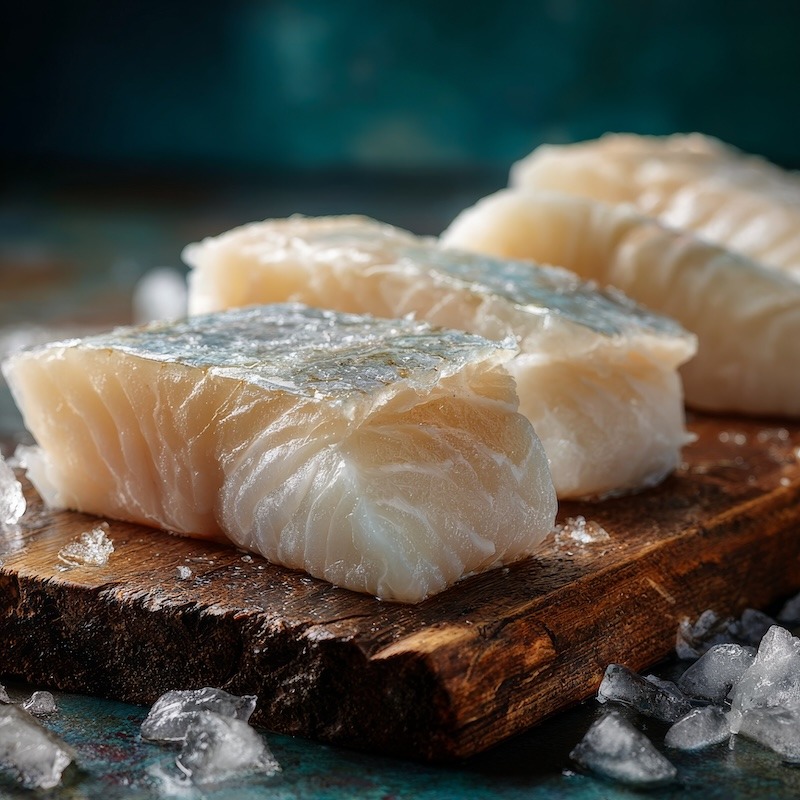
So, does frozen fish taste good? Often, yes. When fish is frozen quickly and handled well, flavor stays locked in. Texture only suffers when freezing or thawing goes wrong. That’s the real issue. Not the freezer.
This guide breaks it all down. We’ll talk honestly about the taste of frozen fish. We’ll explain why some frozen fish is better than others.
You’ll learn why fish frozen at sea often beats “fresh” fish that sat on ice for days. We’ll also cover the best way to defrost frozen fish at home, without ruining texture or moisture.
If you want better seafood dinners, this matters. The freezer aisle can be a wise choice. With the proper knowledge, frozen fish can be reliable, affordable, and genuinely delicious.
FAQ: Why Does Some Frozen Fish Taste Better Than Others
Why does some frozen fish taste great while others taste bland or mushy?
Freezing speed and handling make the difference. Fish frozen quickly at very low temperatures forms tiny ice crystals. That protects texture and flavor. Slow freezing damages muscle fibers and causes moisture loss.
What does “frozen at sea” really mean?
Fish frozen at sea is processed and frozen shortly after being caught. This locks in freshness before spoilage begins. Many experts consider it higher quality than fish frozen days later on land.
What is IQF frozen fish?
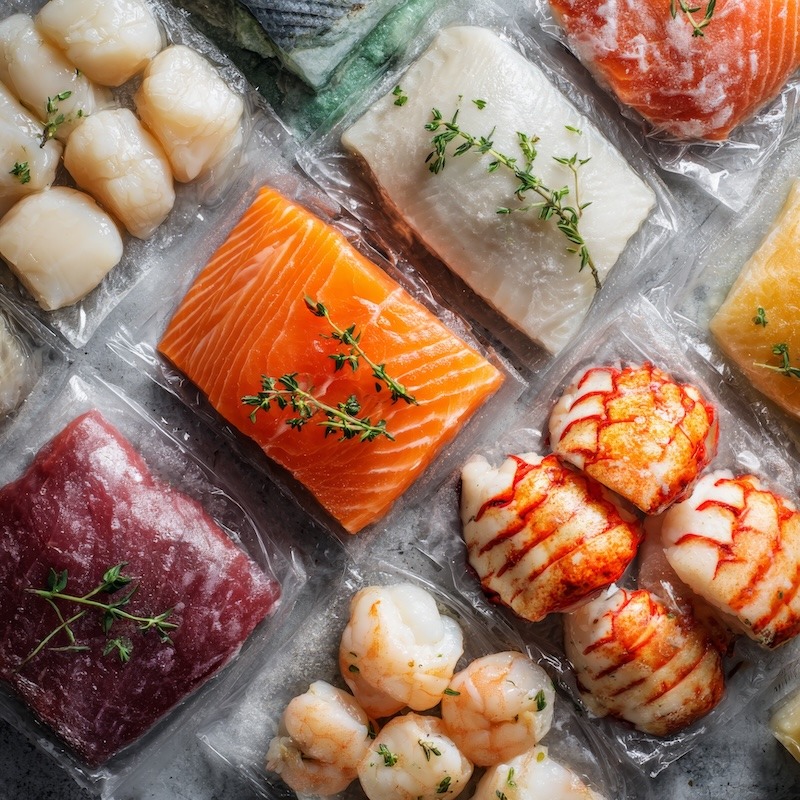
IQF stands for Individually Quick Frozen. Each fillet freezes separately, not in a solid block. This method preserves texture, reduces freezer burn, and lets you thaw only what you need.
Does the type of fish matter when buying frozen?
Yes. Firm, lean fish like cod, pollock, and haddock freeze very well. Fatty fish like salmon can be successfully frozen. Delicate fish tend to show texture changes more easily.
Is glazing on frozen fish a bad thing?
No. A thin ice glaze protects fish from air exposure and freezer burn. Excessive glaze, however, adds weight and can signal lower quality.
Why is packaging so crucial with frozen fish?
Tight, air-free packaging prevents oxidation and dehydration. Poor packaging leads to off-flavors and dry texture, even if the fish started out high-quality.
What Fish & Shellfish Freeze Well & What Doesn't
| Fish or Shellfish | Freezes Well? | Why |
|---|---|---|
| Cod | Yes | Firm, lean flesh holds structure well when frozen quickly. |
| Crab (whole, raw) | No | Enzymes continue breaking down meat unless cooked before freezing. |
| Flounder | No | Thin fillets lose moisture and become soft after thawing. |
| Haddock | Yes | Similar structure to cod, with minimal moisture loss. |
| Halibut | Yes | Large, firm flakes remain intact after proper thawing. |
| Lobster Tails | Yes | Flash freezing preserves sweet flavor and firm texture. |
| Mahi-Mahi | Yes | Dense flesh resists ice crystal damage. |
| Oysters (fresh, in shell) | No | Texture changes dramatically; best enjoyed fresh. |
| Pollock | Yes | Low fat content and tight muscle fibers freeze evenly. |
| Salmon | Yes | Higher fat content protects texture and flavor during freezing. |
| Scallops (dry-packed) | Yes | Natural moisture freezes cleanly without additives. |
| Shrimp | Yes | Freeze quickly and evenly, especially when IQF. |
| Sole | No | Very delicate flesh breaks down easily when frozen. |
| Tuna (steaks) | Sometimes | Freezes well if ultra-fresh and frozen quickly; texture suffers if slow-frozen. |
How to Spot High-Quality Frozen Fish
- Look for “Frozen at Sea” or IQF: Indicates rapid freezing for better texture and freshness.
- Check the packaging: Choose tight, sealed bags with no tears, gaps, or air pockets.
- Avoid heavy frost: Excess ice or snow inside suggests temperature fluctuations.
- Inspect the glaze: A thin, clear coating protects fish; thick, cloudy ice can hide issues.
- Read the ingredient list: It should list only fish, with no added water or sodium.
- Choose firm, opaque fillets: Avoid limp or translucent pieces.
- Watch the color: Skip fish with gray edges, yellowing, or chalky patches.
- Check portioning: Even cuts thaw and cook more consistently.
- Pick freezer-friendly species: Cod, pollock, salmon, shrimp, and mahi-mahi freeze well.
- Trust the freeze: Packages should be rock solid, not soft or bendable.
How to Properly Defrost Frozen Fish
The Best Way (Plan Ahead)
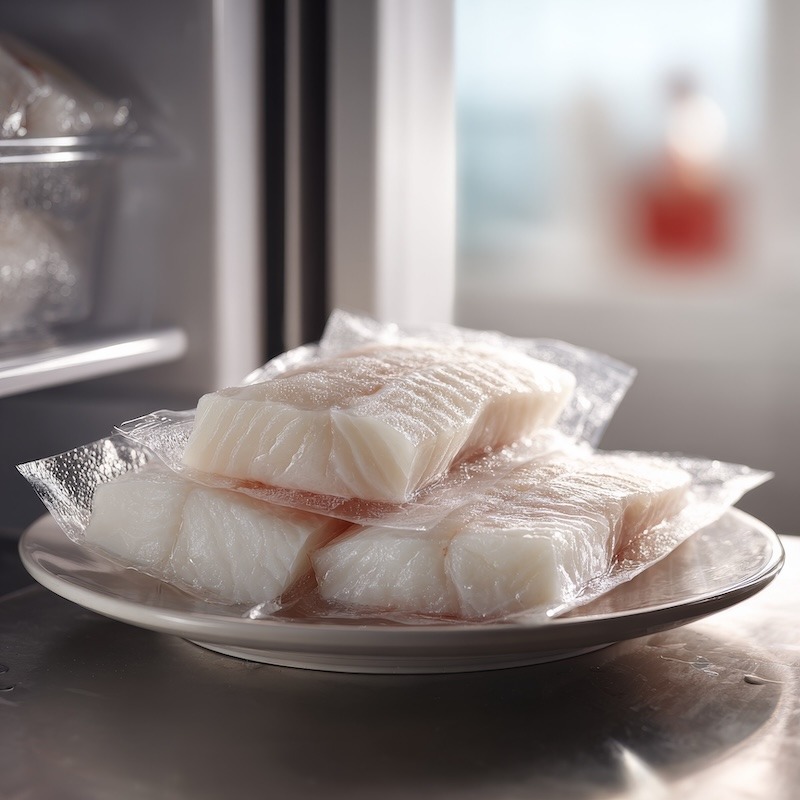
Fridge Thaw –This is the gold standard.
- Leave the fish sealed.
- Place on a plate.
- Refrigerate 8–24 hours.
- Best texture. Best flavor.
Cold Water Thaw – The fast way (same-day dinner)
- Keep fish sealed.
- Submerge in cold water.
- Change water every 30 minutes.
- Ready in 30–60 minutes.
Works well for firm fillets.
What Not to Do – Avoid these every time
- Room temperature thawing
- Hot or warm water
- Microwave defrosting
These ruin the texture before cooking even starts.
When You Can Cook from Frozen
- Thin fillets
- Shrimp
- Fish going into soups or sauces
Add a few extra minutes. Lower the heat slightly.
Pro Tip – Bad thawing results in a more “fishy” texture than freezing ever did.
Direct-to-Consumer Seafood Company vs Supermarkets & Big Box Stores
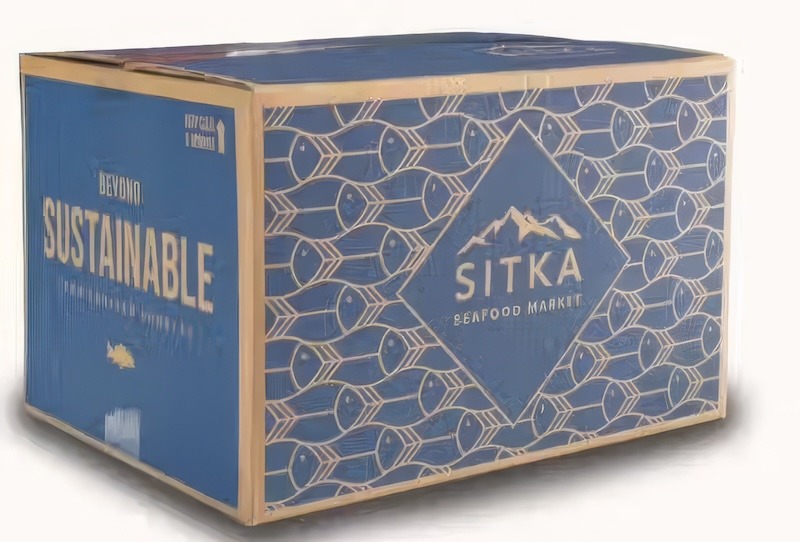
We order a lot of frozen fish from a Direct-to-Consumer Seafood Company called Sitka Seafood Market. Their fish is outstanding, especially when compared to frozen fish I’ve purchased at the supermarket or big box stores. Here’s why:
Timing of Freezing Matters a Ton
Sitka’s fish is bleed-iced, filleted, and blast-frozen within hours of being caught on small boats in Alaska’s cold waters. That locks in peak flavor and firm texture. Frozen grocery store fish often spends days, or even longer, being transported, stored in warehouses, and processed before it finally gets frozen. Fish quality starts to decline the moment it leaves the water, so Sitka’s rapid freezing helps preserve more of its original taste and texture.
Bleed-iced = catch → drain blood → ice fast. Keeps fish bright, firm, and flavorful.
Frozen Once vs. Multiple Freeze/Thaw Cycles
Sitka’s seafood is typically frozen only once before it gets to you. Many store-brand or wholesale frozen products may be frozen, thawed for processing, then refrozen, which creates larger ice crystals that damage delicate muscle fibers and lead to a mushier texture after cooking.
3. Short, transparent supply chain
Sitka focuses on traceability — you know where the fish came from, how it was caught, and how it was processed. That’s rare in conventional grocery freezer sections, where fish may change hands many times and include imported product with longer supply chains.
4. Sourcing and handling quality
Fish from Sitka is wild-caught in extremely clean Alaskan waters and handled by fishermen-partners committed to responsible methods. This results in cleaner, more robust natural flavor. Grocery brands often include farmed fish or fish from more mixed sources with less strict controls on feed or living conditions.
5. Packaging and delivery care
Companies like Sitka ship with plenty of dry ice and vacuum-seal portions so the fish stays rock solid in transit. Most big-box frozen fish is packaged for shelf convenience, not to maintain premium quality all the way to your kitchen.
Bottom line:
It isn’t just that “Sitka tastes better” — it’s a combination of speed from sea to freezer, single freeze process, clean sourcing, tight packaging, and short supply lines that gives you a noticeably firmer texture and more pronounced flavor compared to the average freezer-aisle fish.
Some Popular Direct-to-Consumer Seafood Companies
| Company | Description | Specialty Fish |
|---|---|---|
| Wild Alaskan Company | Subscription and delivery service offering wild-caught Alaskan seafood. Praised for freshness, sustainability, and flash-freezing quality. | Salmon, Halibut, Cod, Pollock |
| Wulf’s Fish | Delivers restaurant-quality seafood directly to customers. Highly rated for sustainable sourcing, customizable subscription boxes, and excellent customer service. | Salmon, Tuna, Cod, Lobster, Shrimp |
| Sitka Seafood Market | Works with small-boat fishermen, freezing seafood at peak freshness. Offers traceable, sustainably sourced wild-caught fish with strong reviews for flavor and quality. | Salmon, Halibut, Black Cod, Sablefish |
| Fishermen Direct Seafood | Partners with small-boat fishermen from Alaska and the Pacific Northwest to deliver wild-caught seafood. Positive feedback for freshness and traceability. | Salmon, Halibut, Cod, Crab |
| KnowSeafood | Marketplace emphasizing traceability and transparency with blockchain technology. Gaining attention for sustainability and high-quality seafood delivery. | Salmon, Tuna, Shrimp, Lobster |
| PureFish | Chef-curated seafood boxes featuring high-quality cuts. Noted for presentation, portion sizes, and premium quality. | Striped Bass, Mahi Mahi, Ahi Tuna, Salmon |
| Best Seafood Direct | Family-run seafood seller sourcing straight from fishermen, focusing on fresh southern Atlantic and Gulf catches. Known for authenticity and local sourcing. | Gulf Shrimp, Snapper, Grouper, Oysters |