

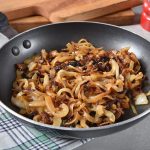
Why Caramelize Onions
- Unlock Natural Sweetness – Slow cooking breaks down sharp, raw flavors and lets the onions’ own sugars turn sweet and rich instead of pungent. :contentReference[oaicite:0]{index=0}
- Deep Flavor & Complexity – The low-and-slow process creates rich, buttery, slightly nutty notes that enhance everything from burgers and soups to pizzas and sauces. :contentReference[oaicite:1]{index=1}
- Soft Tender Texture – Caramelized onions become silky and melt-in-your-mouth, adding luxurious texture to dishes that raw or simply sautéed onions can’t match. :contentReference[oaicite:2]{index=2}
- Culinary Versatility – They serve as flavor foundations, toppings, or mix-ins for a wide range of recipes, boosting umami and depth without extra seasoning. :contentReference[oaicite:3]{index=3}
Caramelizing Onions – (Or Is It)?
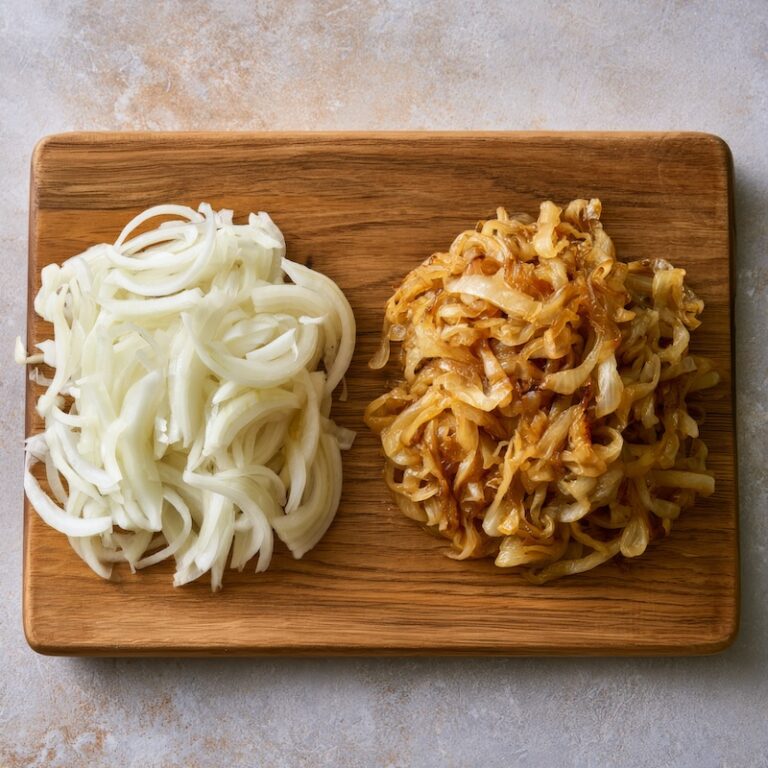
Caramelizing onions is a cooking technique that brings out the natural sweetness of onions by cooking them over low heat for an extended period of time. When I think of raw onion, I think of a punch of concentrated, peppery flavor. I think of watering eyes and harsh sulfur compounds. I think cold, crisp, crunchy and pungent. Caramelized onions are a whole other ballgame.
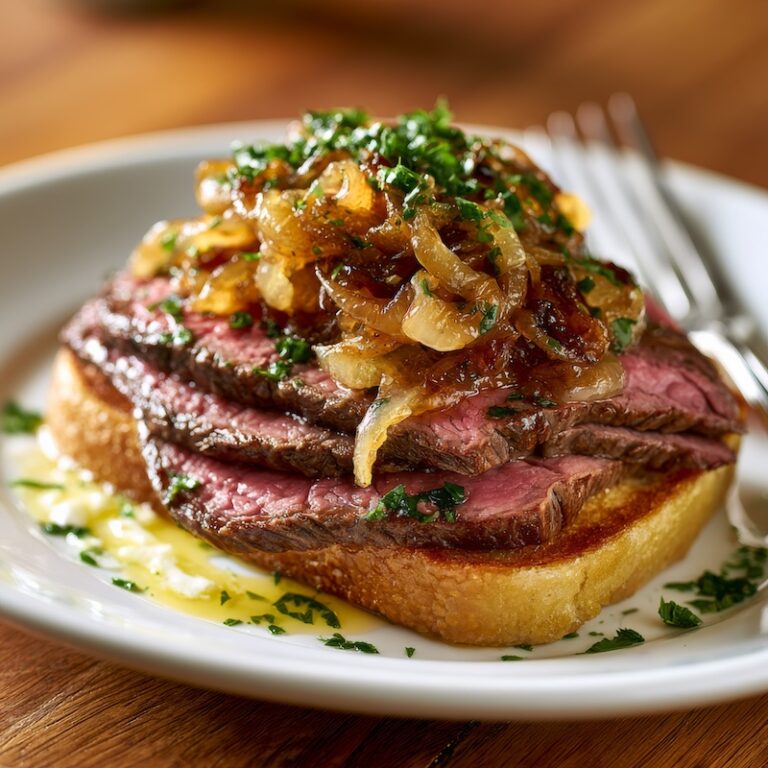
Caramelized onions are sweet and buttery, soft and kind of slippery. They are mellow and full of deep, rich, sweet flavor—slightly nutty and the perfect accompaniment to a steak or a goat cheese pizza. What kitchen alchemy is it that can turn a pungent raw onion into a sweet and melting treat?
Obviously, caramelized onions are brown. In cooking, browning takes place in several ways. One way is through caramelization, the process by which sugars react with sugars in the presence of high heat.
Helpful Cooking Tips for Caramelized Onions
- Slice Uniformly – Even slices cook at the same rate, giving you consistent browning instead of some strands burning while others stay pale.
- Use a Combination of Fat – Butter adds flavor while olive oil raises the smoke point, helping prevent scorching.
- Salt Early – Adding salt at the beginning draws out moisture so onions soften and caramelize more evenly.
- Cook Low and Slow – Medium-low heat allows sugars to develop gradually, creating deep sweetness without burning.
- Stir Regularly – Gentle stirring every couple of minutes prevents sticking and promotes even browning.
- Don’t Overcrowd the Pan – Keep onions in about a ½-inch layer. Cook in batches if needed so they caramelize instead of steam.
- Adjust the Heat – Aim for a soft, steady sizzle. If it’s aggressive, reduce the heat to avoid bitterness.
- Add Flavor Boosters Late – Honey, agave, herbs, or cracked pepper can deepen flavor once the onions are soft and golden.
- Be Patient – Caramelization can take 10–30 minutes. The longer, gentler cook builds better sweetness and complexity.
- Try Other Alliums – Leeks, shallots, and even garlic caramelize beautifully using the same slow technique.
Onions – Caramelizing Onions
Equipment
- large saute pan
Ingredients
Optional additions for extra flavor
- freshly ground black pepper
- fresh herbs minced, or dried herbs
- 1 teaspoon honey agave nectar or corn syrup
Instructions
Heat the Pan
- Place a large sauté pan over medium-low heat. Add the olive oil, butter, or a mixture of both. Allow the butter to melt completely and the fat to heat gently.Tip: You want the fat hot but not smoking. A calm surface shimmer is perfect.
Add the Onions
- Add the sliced onions in an even layer about ½ inch thick. If needed, cook in batches. Sprinkle with a pinch of salt.Tip: Salting early draws out moisture. It may slow browning at first, but it improves flavor and ensures even caramelization.
Sweat the Onions
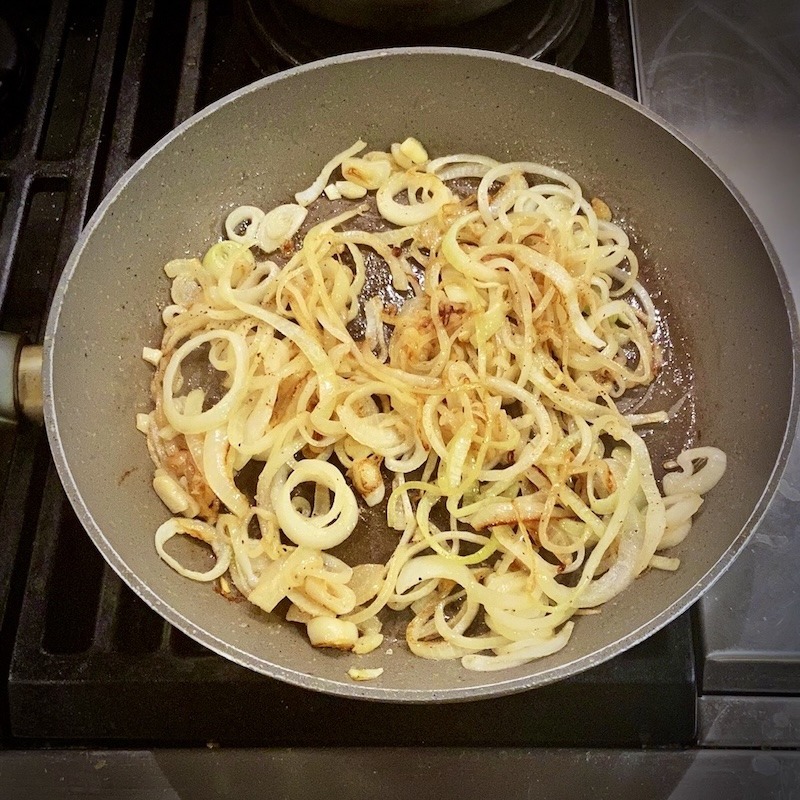
- Cook over medium-low heat, stirring every couple of minutes. You should hear only a faint, steady sizzle.
- As the onions release moisture, they will soften and reduce in volume.Tip: This slow “sweating” stage allows water to evaporate gradually so the natural sugars can concentrate instead of burn.
Adjust & Continue Cooking
- If the pan becomes crowded, wait until the onions cook down, then add more if needed. Adjust the heat as needed to maintain a gentle simmer.Tip: If they begin browning too quickly, lower the heat. Deep flavor comes from patience, not high heat.
Add Optional Flavor Boosters
- Once the onions are soft and beginning to turn golden, stir in any optional additions such as black pepper, herbs, or a teaspoon of honey, agave, or corn syrup.
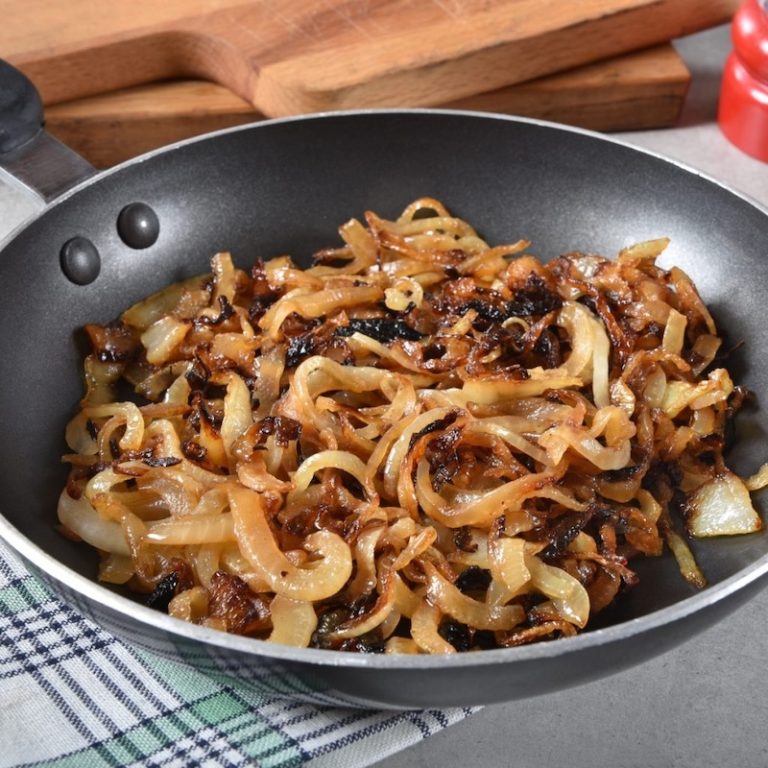
- Continue cooking, stirring frequently, until the onions reach your desired color, from light honey-gold to deep brown.
Finish
- Remove from heat once the onions are soft, richly colored, and fragrant.
- The full process can take anywhere from 10–15 minutes to 30 minutes or more, depending on quantity and desired depth of color.Tip: Slow cooking and regular stirring prevent burning. If they ever look dry, a small splash of water can loosen flavorful browned bits from the pan.
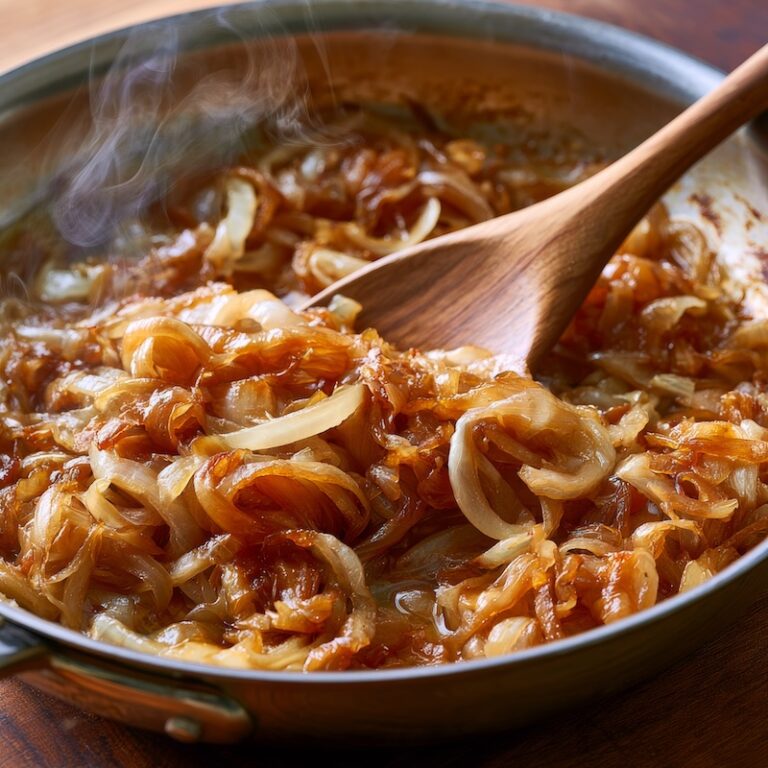
What Is the Process to Caramelize Onions?
The process causes the onions to break down and release their natural sugars, resulting in a rich, deep flavor and a soft, golden brown color.
To caramelize onions, you will need a large skillet or sauté pan, a small amount of oil or butter, and a pinch of salt. It’s best to use a pan that is large enough to allow the onions to spread out in a single layer, as this will help them cook evenly.
Begin by slicing the onions as evenly as possible. This will ensure that they cook at the same rate and prevent some from burning while others remain raw. Next, heat the skillet over medium-low heat and add a small amount of oil or butter. Once the oil or butter is hot, add the sliced onions and a pinch of salt.
Keep Your Eye On Them
The key to caramelizing onions is to cook them over low heat, stirring occasionally. It is important to stir the onions every 5-10 minutes to ensure that they cook evenly. As the onions cook, they will begin to release their natural sugars, which will cause them to caramelize and turn golden brown.
The process of caramelizing onions can take anywhere from 30 minutes to an hour, depending on the size and type of onions you are using. As the onions cook, they will shrink in size and become soft and translucent. Once they have reached a deep golden brown color and are tender to the touch, they are ready to be removed from the pan.
It is important to note that caramelized onions can burn easily, so it’s important to keep a close eye on them and adjust the heat as needed. If the onions start to burn, you can add a small amount of water to the pan to deglaze it and help release any browned bits from the bottom.
Where Are They Used
Caramelized onions can be used in a variety of dishes, such as pasta, pizzas, sandwiches, and burgers, as well as a topping for grilled meats. They also make a great addition to dips, spreads, and sauces.
| Use | Description | Why It Works |
|---|---|---|
| Burgers & Sandwiches | Layer caramelized onions on top of burgers, grilled cheese, or paninis for extra flavor. | The sweet, savory onions add depth and balance richness of meats or cheeses. |
| Pizzas & Flatbreads | Spread caramelized onions as a topping or mix with other vegetables or cheeses. | They bring natural sweetness and umami that enhance the overall flavor profile. |
| Pasta & Risotto | Stir caramelized onions into pasta sauces or risottos for added richness. | The slow-cooked onions blend smoothly, adding complexity without overpowering. |
| Soups & Stews | Add caramelized onions to soups, stews, or French onion soup for depth. | Their sweetness and umami intensify broth flavors, creating a comforting base. |
| Egg Dishes | Mix into omelets, frittatas, or scrambled eggs. | The rich, sweet flavor enhances eggs and pairs well with cheeses and herbs. |
| Salads & Grain Bowls | Top salads, quinoa bowls, or roasted vegetable bowls with caramelized onions. | Their sweetness balances tangy dressings and earthy grains or vegetables. |
| Toppings for Meats | Serve over grilled steak, roasted chicken, or pork chops. | The caramelized onions provide a sweet-savory contrast that enhances the meat. |
| Dips & Spreads | Fold into cream cheese, yogurt, or hummus for a flavorful spread or dip. | The onions add richness and depth, transforming simple spreads into gourmet options. |
What Is the Science Behind Caramelized Onions?

Caramelizing onions involves a combination of chemical and physical reactions, which take place as the onions are heated over low heat.
One of the key reactions that occurs during caramelization is the Maillard reaction, which is a chemical reaction between amino acids and reducing sugars. The Maillard reaction produces a complex mixture of flavor and aroma compounds, giving caramelized onions their unique taste and smell.
Another important reaction that occurs during caramelization is the breakdown of the onions’ cell walls, which releases their natural sugars. The sugars then migrate to the surface of the onions and begin to caramelize as they come into contact with heat. As the onions cook, the sugar molecules break down further, forming new compounds such as caramelan, caramelin, and various other fragrant compounds.
Caramelization also causes the onions to lose water and shrink in size, as the heat causes the cells to release their moisture. This helps to concentrate the flavor and sweetness of the onions, making them even more delicious.
Additionally, the process of caramelization requires a low heat, this allows the onions to cook slowly and evenly, which helps to prevent burning and allows the flavors to develop fully. This is why caramelizing onions is a relatively slow process, taking anywhere from 30 minutes to an hour.
The science behind caramelizing onions involves a combination of chemical reactions, such as the Maillard reaction and the breakdown of sugars, as well as physical changes, such as the loss of water and shrinkage of the onions, which all work together to produce the unique flavor and aroma of caramelized onions.
Frequently Asked Questions about Caramelizing Onions
How long does it take to caramelize onions?
Caramelizing onions typically takes 20 to 30 minutes over medium-low heat, though smaller batches may take closer to 15 minutes. The exact time depends on the quantity of onions, the size of your pan, and how deeply browned you want them.
What is the best onion for caramelizing?
Yellow onions are the most popular choice because they balance sweetness and sharpness beautifully when cooked. Sweet onions caramelize faster and taste milder, while red onions produce a slightly deeper, richer flavor.
Why aren’t my onions browning?
If your onions are not browning, the heat may be too low or there may be too much moisture in the pan. Continue cooking over medium-low heat and allow excess water to evaporate before expecting browning to begin.
Can I caramelize onions without sugar?
Yes, absolutely. Onions contain natural sugars that develop and deepen during slow cooking. Added sugar or honey is optional and simply boosts sweetness.
Should I cover the pan while cooking?
It is best to cook onions uncovered so moisture can evaporate. Covering the pan traps steam and causes the onions to soften but not properly caramelize.
Why did my onions burn?
Onions burn when the heat is too high or when they are not stirred frequently enough. Keep the heat moderate and stir every couple of minutes to prevent scorching.
Can I use only butter or only olive oil?
Yes. Butter adds richer flavor but has a lower smoke point. Olive oil tolerates heat better. Many cooks combine both to balance flavor and cooking performance.
Can I speed up caramelizing onions?
You can slightly increase the heat once most of the moisture has evaporated, but rushing the process risks burning. True caramelization depends on time and controlled heat.
How do I know when caramelized onions are done?
They should be very soft, reduced in volume, and evenly golden to deep brown. The flavor will be sweet, savory, and mellow with no sharp bite remaining.
How do I fix onions that are sticking to the pan?
If onions begin sticking, reduce the heat and add a tablespoon of water to loosen browned bits. Stir to incorporate the flavorful fond back into the onions.
Can I caramelize onions ahead of time?
Yes. Caramelized onions store well in an airtight container in the refrigerator for up to 4 days. They also freeze beautifully for up to 3 months.
Can I caramelize other vegetables the same way?
Yes. Leeks, shallots, and even garlic respond well to slow cooking and develop similar sweetness when caramelized gently.


7 Responses
Thank you for making recipes simple & easy to follow, it’s so much better like this for a rare change!
Thanks Wendy. Much appreciated.
I have made honeyed onions for many, many years, it is a family and friends favorite but I never thought to add an extra flavor such as a spice.
I added a roasted red pepper spice (just a little) and boy did it ever enhance the flavor. I am making this today for a Christmas dinner of about 50 people and I know they will love it.
Thanks for the extra advice.
You are welcome Marilyn and Merry Christmas.
I salt my onions in the beginning of cooking ( sautéing ) them. I also grate my onions, using the the largest grating side of my 4 sided grater, ( not the large slit on the side ) for certain dishes ( so my kids don’t think I am using onions, because they can’t see them in their favorite foods, as they say, they don’t like onions ? Lol .) Salting them makes them sweeter and adds more flavor, that you can’t get otherwise, as I lightly brown them.
When cooking the onions for meats that are already with salt content I don’t add salt. I also don’t always grate the onions . Thank you for all the wonderful advice !
Hello. I never thought of adding spices either so I was glad to learn this.
And I was never sure when to salt them, so thanks for that info.
I have learned a new technique for caramelizing onions. I put them in my crock pot with butter / olive oil! After all, a crock pot is created for slow cooking on low heat, right? So I cook it on low for 7-8 hours. I leave the lid open a little and put paper towels underneath it to absorb the moisture.
I cook five to six onions this way, store them in a glass jar in the fridge and put some in the freezer. (The ones in the freezer can only be used in things like soup and casseroles of course.)
Give this way a try and you’ll be pleasantly surprised at the results.
Thanks Lija, I will give this method a try. Thanks for sharing.