From Trend to Timeless: Burrata Cheese
Burrata cheese is a true indulgence for cheese lovers, known for its rich, creamy texture and delicate flavor. Originating from the Puglia region of Italy, burrata is a fresh Italian cheese made from mozzarella and cream.
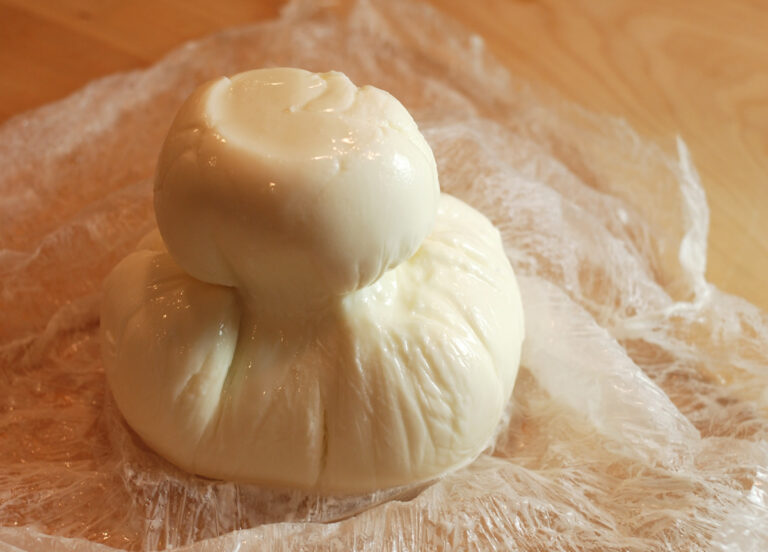
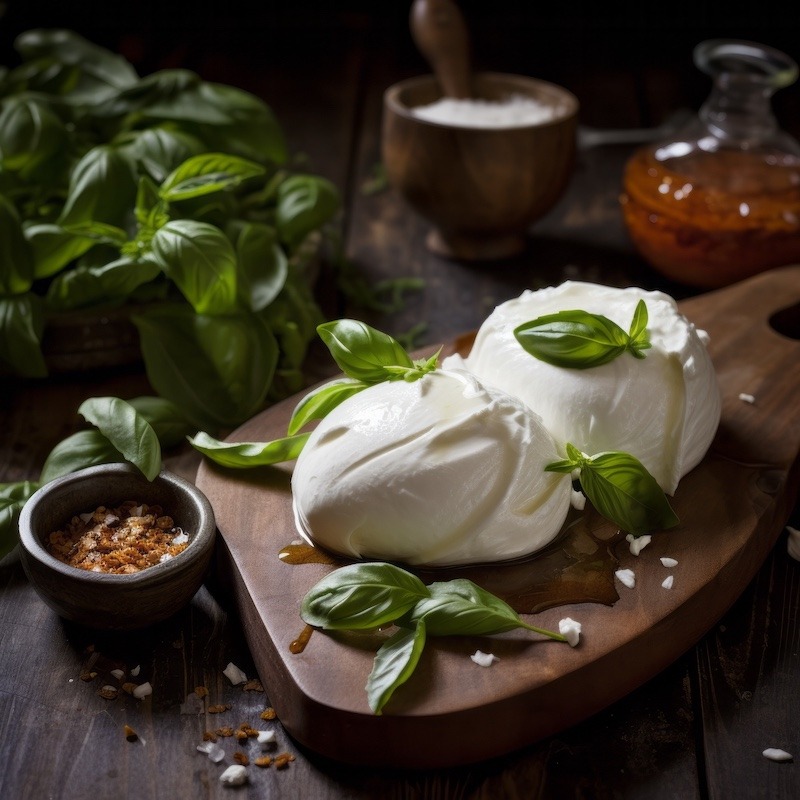
At first glance, it resembles a ball of mozzarella, but when cut open, its soft, buttery center oozes out, revealing stracciatella—curds soaked in cream. This luxurious interior gives burrata its distinctive melt-in-your-mouth quality, making it a perfect addition to various dishes.
Whether served simply with ripe tomatoes, drizzled with olive oil, or paired with seasonal fruits, burrata brings a touch of elegance to any meal. Its mild, milky flavor complements savory and sweet ingredients, allowing it to shine in salads, pasta, or pizza topping.
For those looking to impress guests or elevate their own dining experience, burrata is a versatile ingredient that transforms even the simplest dishes into something extraordinary.
In this post, we’ll explore the origins of burrata, how it’s made, and delicious ways to enjoy this creamy delicacy. From its roots in Italian cheesemaking to modern culinary uses, burrata is sure to become a favorite on your table.
Ways to Use It
Burrata cheese is a versatile ingredient that can be used in various savory and sweet dishes, adding a rich and creamy touch. Burrata’s mild flavor and rich texture make it an ingredient that elevates simple and gourmet dishes. Here are some delicious ways to incorporate burrata into your meals:
| Use | Description | Why It's Great |
|---|---|---|
| Caprese Salad | Place burrata on a plate with fresh tomatoes, basil, olive oil, and balsamic glaze. | The creamy interior contrasts beautifully with juicy tomatoes and fresh herbs, elevating a classic salad. |
| Pizza Topping | Add burrata on top of a baked pizza just before serving. | Its creamy texture melts slightly over hot pizza, adding richness and indulgence. |
| Pasta Garnish | Top warm pasta with a whole burrata ball or small pieces. | Creates a luscious, creamy sauce as it softens, enhancing flavor without heavy cream. |
| Toast or Crostini | Spread burrata on toasted bread and add toppings like roasted vegetables or prosciutto. | Quick, elegant appetizer where creaminess balances crunchy texture and savory toppings. |
| Fruit Pairing | Serve burrata with fresh fruits like peaches, figs, or berries, drizzled with honey. | Sweetness and creaminess complement each other, making a refreshing dessert or brunch option. |
| Charcuterie Boards | Include burrata alongside cured meats, nuts, and olives. | Adds a soft, creamy element to the board, contrasting with salty and crunchy items. |
Not A New “It” Food
Maybe I’m just out of the loop. I searched for “burrata cheese” and found a recipe for heirloom tomatoes and burrata cheese salad in Bon Appetit in 2006. It has been around in the US for at least five years, but I don’t remember seeing that much written about it before this year.
Now I’m seeing it everywhere! I was featured in cooking magazines and restaurants at my local cheese shop. How did I miss this exquisite Italian cheese made with mozzarella and cream named after the Italian word for buttery? (Who wouldn’t love a cheese whose name means buttery)?
I know it didn’t arrive in America this year. Was it hiding on the shelves, or was I not looking for it? Regardless, as far as I’m concerned, burrata is the savory “It” food for 2011
So, if you’re not a part of the It Food cognoscenti, let me tell you a little about burrata.
It is made in Italy, a hollow ball of mozzarella stuffed with bits of mozzarella and cream. The mozzarella bits are left over from the cheese-making process.
Buratta is wrapped in green leaves from a plant related to leeks. When you buy burrata, you know the cheese is fresh if the leaves are green and fresh. If the leaves are dried out, you know the cheese is at least past its prime. Pretty nifty, I think.
When you slice into burrata, the cream and mozzarella bits ooze out, ready to be soaked up by some crusty bread or fresh heirloom tomatoes.
Buratta is a young cheese in many ways. It is a fresh cheese that is not overly rich but milky, sweet, and creamy. While many of Italy’s world-famous cheeses have been produced for hundreds, if not thousands, of years, burrata was born in 1920.
A Little Burrata History
The Bianchini family invented this cheese almost certainly to minimize waste (and increase profits). The Bianchinis farmed in the Apulia district of Italy, in the heel of Italy’s boot, and for years, folks who lived near the farm were the only people who could enjoy burrata. It was indeed a local product.
Eventually, some nearby factories began producing burrata to use up scraps from the mozzarella-making process. And, like all good things, eventually, word got out, and now it is exported to the United States.
But it is still a delicate cheese with a short shelf life. If you can find some, you should eat it within 48 hours of getting it home. Not that it should be a problem; it is that good.
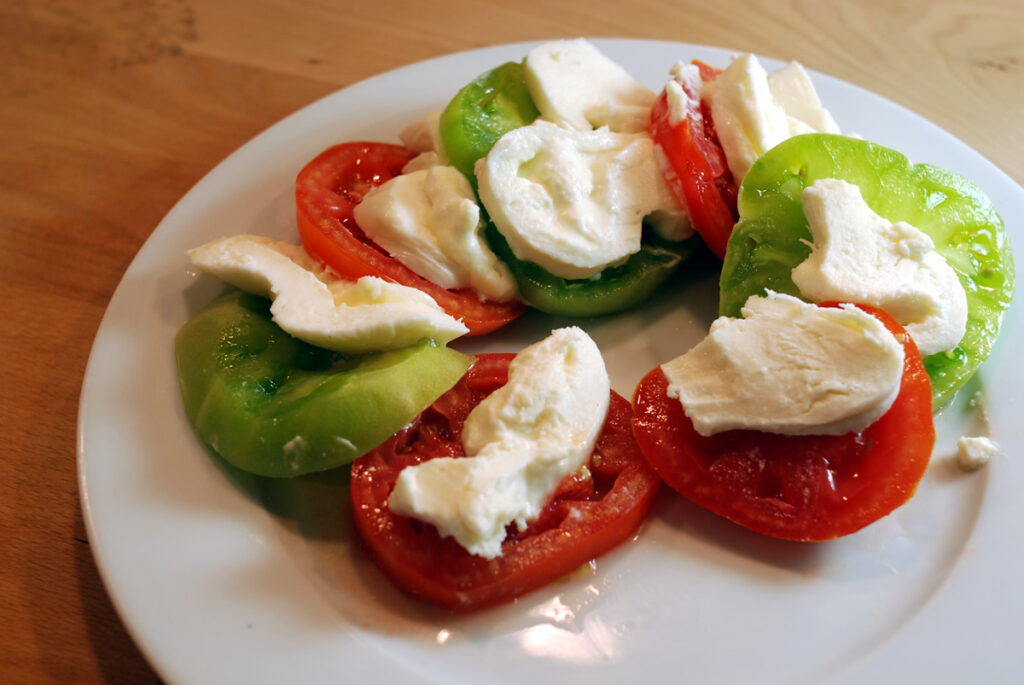
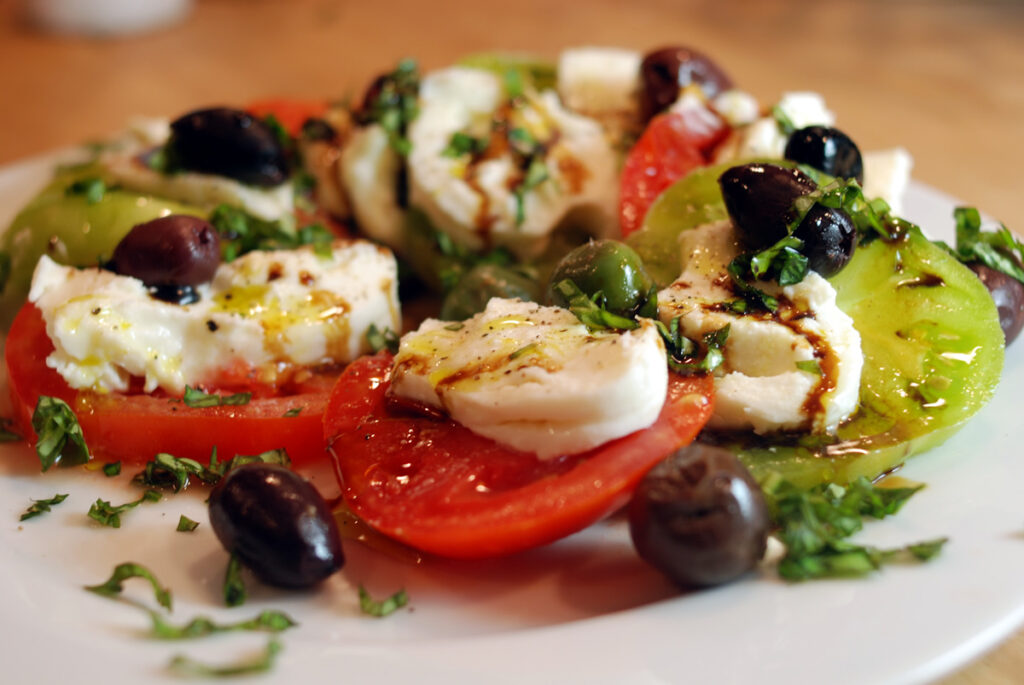
I served my burrata cheese as part of a classic Caprese Salad with olives. As I said, they served it in a salad with chanterelles and watercress at Vetri. The burrata’s sweet creaminess pairs well with earthy and/or sharp flavors, such as Vetri’s chanterelles and my tomatoes and olives.
And remember the sentence, “There’s a difference between a fad and a classic?” Buratta is a classic. And since it is still relatively rare in the United States, I don’t think it will be going out of style–or losing its status as an It Food–any time soon.
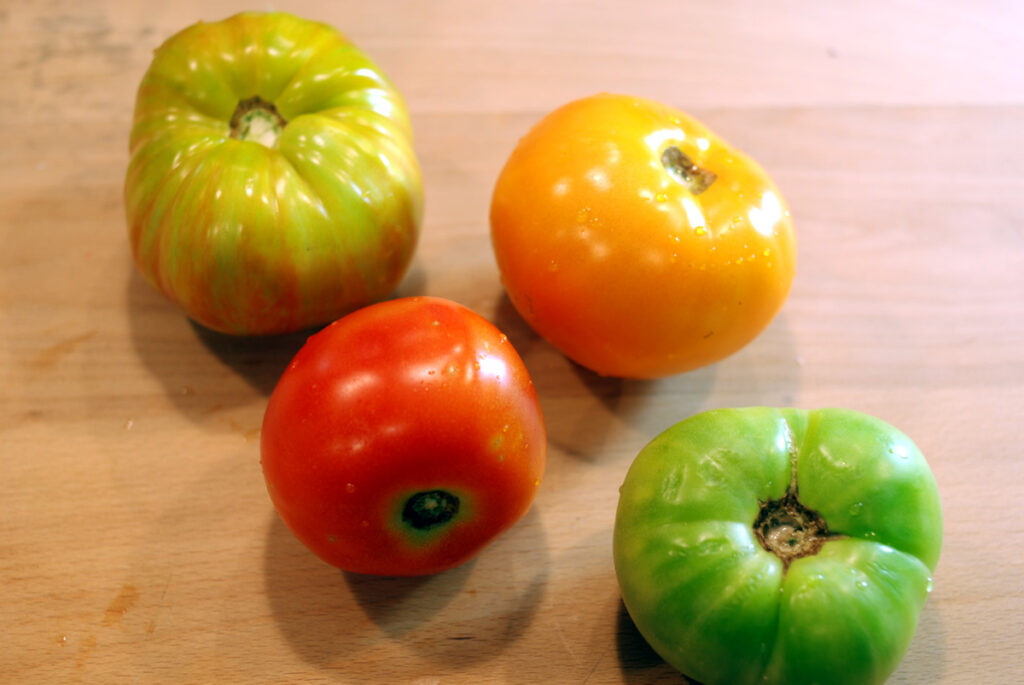
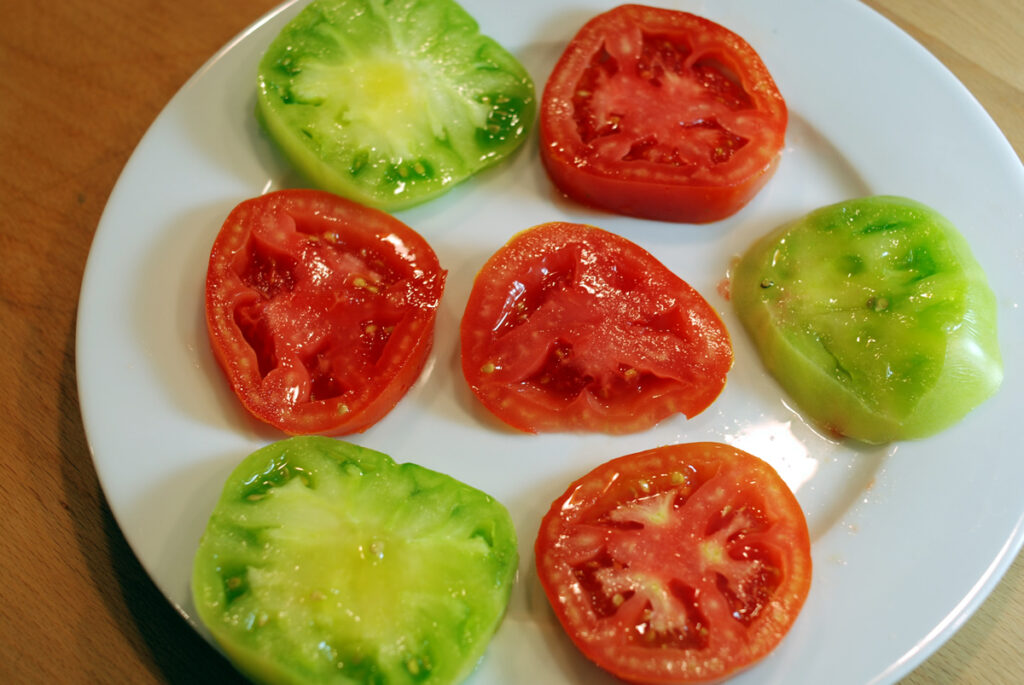
Here’s my photo recipe for Burrata Caprese Salad:


How they Make Burrata at Di Bruno Bros. Video
I found this amazing video from Di Bruno Bros. VP Emilio Mignucci explaining how burrata are made at their warehouse in South Philadelphia. This is the same burrata that I purchase at my local farmers market.


9 Responses
I am ready to eat my screen
I would love to use this recipe at my Cajun cooking school.
I’d never heard of Burrata until I picked some up at our local Italian deli on Friday for a special dinner. I served it with heirloom and our own garden tomatoes drizzled with EVOO and garnished with basil. Your idea with olives looks divine.
Thanks Sally – RG
I also have seen this cheese trend IN PRINT–but have never tasted it. Thanks for the reminder to satisfy my drooling tatebuds.
Where have you people been? Burrata has been around for a while. Try a pizza with burrata, caramelized onions and arugula drizzled with olive oil. Oh yum.
Hi Bambi, I know it’s been around but this year you find it mentioned everywhere. – RG
Never heard of it until now but on my shopping list — always open to trying another cheese so thanks
I noticed Trader Joe’s has started carrying buratta. I used to work at a fairly popular W. Hollywood restaurant and we did a braised leek salad with buratta, mustard vin, topped with house made croutons. Delicious!!!!
Sounds incredible Tamuel. – RG
Picked up some today due solely to this entry. I am going to incorporate it into a bruschetta-style antipasto and see how I like it. I will definately be adding the olives, as I am often underwhelmed by mozzarella. Thank you!
I have never heard of that… excited to try it!