
All About Duck Breasts And How To Cook Them

Duck Breasts Are Easier To Cook Than You Think

Duck breasts are a flavorful, rich protein that can elevate any meal. Cooking duck breasts perfectly takes attention and technique. Many home cooks shy away from duck, worried about toughness or overly fatty meat. But with the right approach, duck breasts turn out tender, juicy, and packed with flavor every time.

Start by scoring the skin to render the fat and create a crisp, golden crust. Season simply with salt, pepper, and fresh herbs to enhance the natural taste.

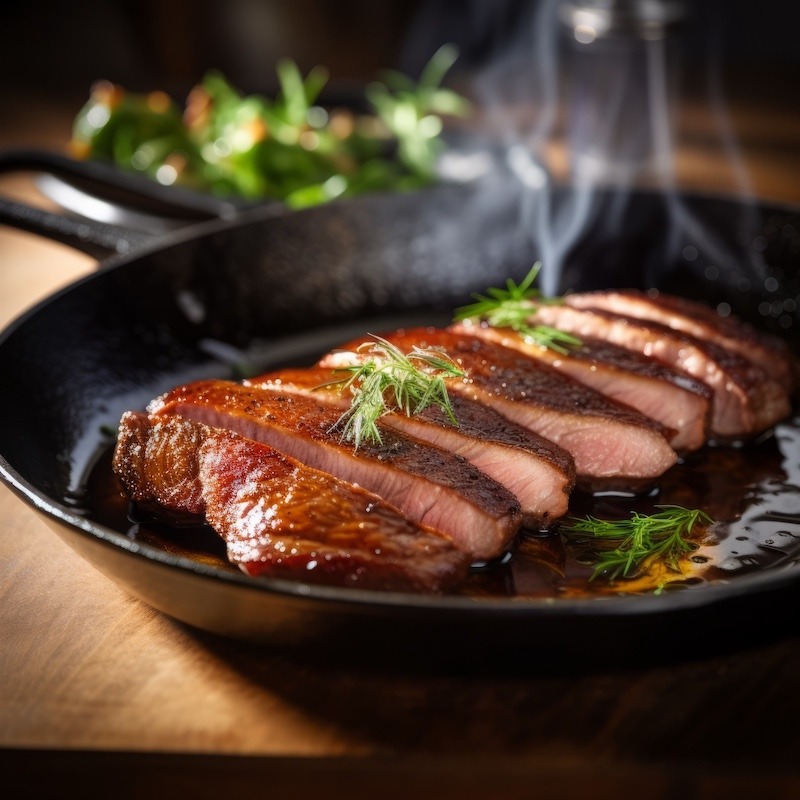
Pan-searing is one of the best ways to cook duck breasts, locking in moisture while crisping the skin. Finishing in the oven ensures even cooking. Rest the meat for a few minutes after cooking to let the juices redistribute.

Duck pairs beautifully with bold sauces like orange, cherry, or red wine reductions. Side dishes such as roasted vegetables, creamy potatoes, or wild rice complement the rich meat. Knowing how to cook duck breasts opens up countless recipe possibilities—from elegant dinners to simple weeknight meals.

In this post, you’ll learn step-by-step instructions, tips for rendering fat, and techniques to achieve perfectly cooked duck breasts. Whether you’re new to cooking duck or looking to refine your skills, these methods make it easy to serve a restaurant-quality dish at home.

Pan Seared Duck Breasts

There are several ways to cook a duck breast, but one of the most popular and effective methods is pan-searing. Here is a recipe for pan-searing duck breast.
Prep Time5 minutes
Cook Time10 minutes
Total Time15 minutes
Course: Main Course
Cuisine: American
Keyword: duck, duck breasts
Servings: 2 people

Ingredients

Instructions

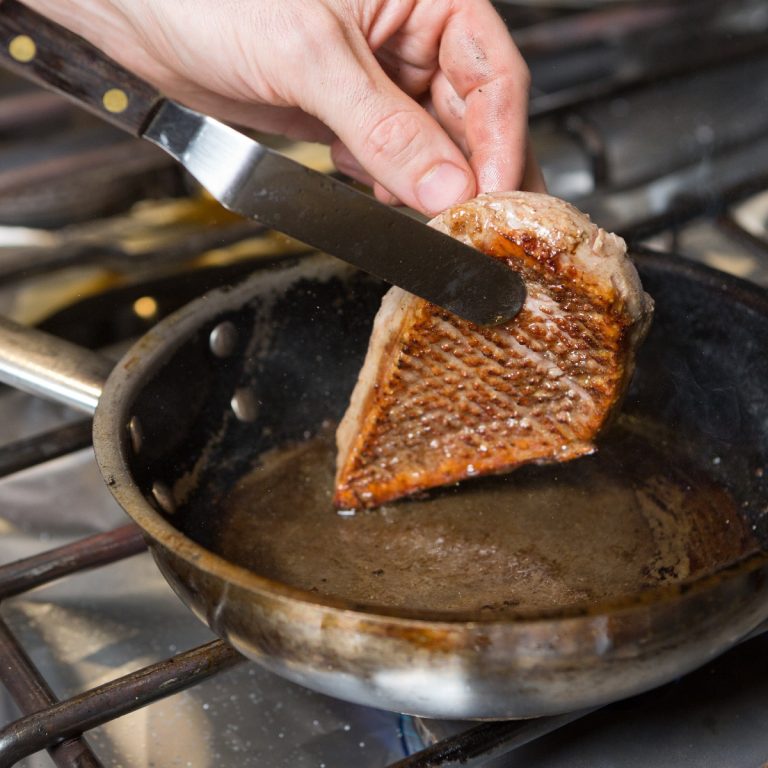
  • Begin by patting the duck breasts dry with paper towels. Then, score the skin in a crosshatch pattern, careful not to cut too deep into the flesh.
  • Season the duck breasts with salt and pepper on both sides.
  • Heat a large skillet over medium-high heat and add the vegetable oil. Once the oil is hot, place the duck breasts in the skillet, skin-side down.
  • Cook the duck breasts for 5-7 minutes or until the skin is golden brown and crispy. Then, turn the breasts over and cook for an additional 2-4 minutes for medium-rare or longer for more well-done.
  • Once the duck breasts are cooked to your liking, remove them from the skillet and let them rest for 5-10 minutes before slicing.
  • Slice the duck breast against the grain and serve.

Notes

This method will result in a crispy skin and a pink, juicy meat inside. It's important to let the duck breast rest after cooking to ensure a juicy meat.
Please note that cooking times and temperatures may vary depending on the size and thickness of your duck breasts, so it's best to use a meat thermometer to ensure that the meat has reached a safe internal temperature of 165°F.
What Is Duck Breast?

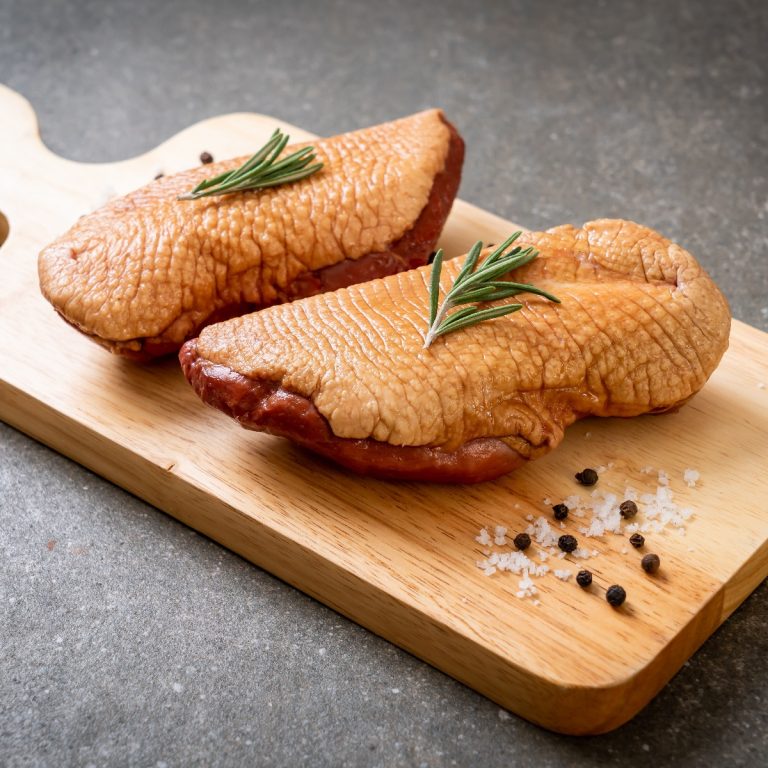
A duck breast comes from the breast of a duck. It’s a lean, flavorful cut of meat, often considered a delicacy. It typically comes with the skin on, which helps keep the meat moist while cooking. You usually cook the breast skin-side down to render the fat and crisp the skin.

It has a rich, gamey flavor that’s slightly sweeter than chicken or turkey. Its texture is similar to beef’s but leaner and more delicate. It’s considered red meat and is best cooked medium-rare or medium to retain its moisture.

You can prepare them in various ways, including searing, roasting, grilling, or pan-frying. When searing, cook the breast in a hot pan with the skin side down until the fat renders and the skin crisps, then flip it to cook to your desired temperature. Roasting is another great option, as it cooks the breast evenly. Grilling gives the duck a smoky flavor.

They pair well with accompaniments like fruit-based sauces, berry reductions, or sweet and tangy glazes. It also goes nicely with roasted vegetables, potatoes, or salad.

Considered a delicacy, duck breast is rich and flavorful, versatile enough to pair with a variety of seasonings, flavors, and sides. To enjoy its rich, gamey flavor, make sure to cook it correctly to preserve its moisture.

Duck Breasts

Duck Breeds and Culinary Uses

Duck Breed Description Best Used For
Muscovy Lean, mild-flavored meat with less fat than other breeds; slower-growing. Roasting, slow braising, or confit; great for lean, tender meat dishes.
Pekin Classic white duck with tender, fatty meat and mild flavor; widely available. Roasting whole, pan-searing breasts, or making Peking duck recipes.
Rouen Similar to Pekin in flavor but larger and fattier; prized for rich, juicy meat. Roasting whole or slow-cooked dishes; ideal for festive meals.
Mallard Wild duck with strong, gamey flavor and lean meat. Grilling, pan-searing, or braising; best for bold sauces like cherry or red wine.
Khaki Campbell Light, tender meat with a delicate flavor; good layer duck breed. Roasting, sautéing, or light braises; works well with citrus or fruit sauces.
Cayuga Dark-feathered, medium-fat duck with rich, flavorful meat. Roasting, smoking, or pan-searing; pairs well with earthy or wine-based sauces.

What to Look for When Buying Duck Breasts

When buying duck breasts, consider the following to ensure you’re getting high-quality meat:

  • Color: The skin should be a rich, deep red, and the meat should appear pink and moist. Avoid duck breasts with pale or grayish coloring, as this may indicate the meat is old or has been frozen too long.
  • Fat content: Look for moderate fat on the skin, which will help keep the meat moist and flavorful as it cooks. The fat will melt and baste the meat during cooking.
  • Size: Duck breasts come in different sizes, so choose the right size for your recipe or serving needs.
  • Smell: Duck breasts should have a fresh, clean scent. Avoid any with off odors.
  • Firmness: The flesh should feel firm to the touch, without discoloration or bruising.
  • Sustainability: Choose duck breasts labeled as sustainably raised, ensuring the ducks were raised in an environmentally friendly way, with good welfare standards and no antibiotics.
  • Organic: For an organic option, look for duck breasts labeled as organic, meaning the ducks were raised without synthetic pesticides or fertilizers.

Should You Wash Duck Breasts Before Cooking?

Washing duck breasts before cooking is not recommended. Washing poultry or any meats can spread bacteria and increase the risk of cross-contamination, heightening the chance of foodborne illness.

The USDA advises against washing meat and poultry. Washing these items can spread bacteria from the surface to sinks, countertops, and other food preparation areas.

Instead of washing duck breasts, handle them safely by keeping them separate from other foods. Use separate cutting boards, utensils, and dishes when preparing the duck. Be sure to thoroughly clean any surfaces that come into contact with raw ducks before using them again.

Cook duck breasts to an internal temperature of 165°F (74°C) to kill any bacteria that may be present.

Why Score the Crosshatch Pattern Before Cooking?

Scoring the skin of duck breasts in a crosshatch pattern before cooking offers several benefits:

  • It helps render out the fat more easily, resulting in a crispier skin and a more flavorful final product.
  • Scoring prevents the duck breast from curling up during cooking, promoting even cooking.
  • It allows the seasoning to penetrate the skin and meat, enhancing the flavor.
  • Scoring also prevents the skin from puffing up while cooking, helping to achieve a crispy texture.


Be sure not to cut too deep into the flesh. A shallow score, about 1/8 inch, is sufficient.

Remember that the skin is typically not eaten and is high in saturated fat, so it’s usually removed before eating. However, the rendered fat can be used in other dishes or for cooking.

What Type of Pan Is Best for Cooking Duck Breasts?

Use a heavy-bottomed pan, like a cast iron skillet or a stainless steel pan, for cooking duck breasts. These pans distribute heat evenly, helping to avoid hot spots and ensuring even cooking.

A cast iron skillet can be preheated in the oven, which helps achieve a crisp skin on the duck breasts.

Choose a pan large enough to avoid overcrowding the duck breasts, as overcrowding can lead to steaming instead of searing, which prevents the skin from becoming crispy.

Avoid non-stick pans for cooking duck breasts. The high heat required to sear the breasts can release harmful chemicals from the non-stick coating, and the skin may not crisp up properly.

Nutrition

Duck breast is a nutritious food, rich in protein and iron. A 3.5-ounce (100-gram) serving contains:

  • 121 calories
  • 26 grams of protein
  • 2.6 grams of iron
  • 2.9 grams of saturated fat


Duck breast also provides essential nutrients like B vitamins, zinc, selenium, and phosphorus.

However, it is relatively high in saturated fat compared to other meats like chicken or turkey. Therefore, enjoy duck breast in moderation as part of a balanced diet.

Consider how you prepare duck breast, as some methods can add more fat and calories. For example, leaving the skin on during cooking can significantly increase the fat content of the dish.

Other Ways to Cook Duck Breast

Cooking Method Notes Helpful Hints
Pan-Seared Crisps skin while keeping meat juicy. Best for 1-1.5 inch breasts. Score skin, cook skin-side down first, render fat slowly, finish in oven if needed.
Oven-Roasted Even cooking, can finish large breasts easily. Skin may need pre-searing. Sear skin in pan for crispness before roasting; use a meat thermometer (135°F for medium-rare).
Grilled Adds smoky flavor, great for outdoor cooking. Can dry out if overcooked. Cook skin-side down first, use medium heat, avoid flare-ups from rendered fat.
Sous Vide Precise temperature control, ensures even cooking, very tender meat. Seal in vacuum bag, cook 130–135°F for medium-rare, finish with a hot sear for crispy skin.
Slow-Braised Ideal for tougher cuts or whole duck; rich, flavorful meat. Skin not crisp. Cook low and slow in flavorful liquid; finish with a quick broil for slight crisping if desired.

What Does Cooked Duck Breast Taste Like?

Cooked duck breast has a rich, slightly gamey flavor, often compared to beef. It’s stronger than chicken but milder than goose.

Duck breast is leaner than chicken but contains more fat than other poultry, giving it a richer taste and tender texture. The fat helps keep the meat moist during cooking, so even if it’s cooked longer, it stays juicy.

The crispy skin adds a contrast in texture and depth of flavor. When cooked properly, duck breast should have a slightly pink center, balancing the rich, meaty taste.

Duck Breast Sauce Pairings

Sauce Description Why It Works
Cherry Sauce Sweet-tart cherry reduction, often with a hint of balsamic or red wine. Cherry’s tartness balances the richness of duck while adding fruity complexity.
Bigarade (Orange) Sauce Citrusy, slightly sweet sauce made with fresh orange juice and zest. The acidity and sweetness cut through duck fat, brightening the dish.
Bigarade Sauce Rich, dark red wine sauce with a touch of sugar or fruit reduction. Port adds deep, sweet notes that complement the savory, gamey flavor of duck.
Blueberry Sauce Fresh or cooked blueberries with sugar and a splash of balsamic or wine. Berry sweetness and slight acidity balance fatty duck and add visual appeal.
Red Wine Sauce Classic reduction of red wine with stock, aromatics, and herbs. Red wine adds depth and earthy flavor, pairing perfectly with rich duck meat.
Hoisin Sauce Sweet and savory Asian sauce with soy, garlic, and spices. Hoisin complements the gamey flavor and adds an umami-rich, slightly sticky glaze.
Honey-Mustard Sauce Sweet honey combined with tangy mustard for a balanced glaze or dip. The sweetness offsets duck richness, while mustard adds a subtle tang.

Duck Breast Wine Pairings

Wine Description Why It Works
Pinot Noir Light-bodied red with cherry and earthy notes. Acidity and fruitiness cut duck fat, enhancing its natural flavor.
Merlot Smooth red with plum and dark berry flavors. Soft tannins and fruity profile balance rich, tender duck breasts.
Zinfandel Full-bodied, spicy red wine with jammy fruit notes. Bold flavors complement rich duck, especially with fruit-based sauces.
Chardonnay Oaked or unoaked white with buttery, citrus, or tropical notes. Acidity and creaminess contrast duck fat, especially with citrus sauces.
Syrah/Shiraz Spicy, bold red with dark fruit and pepper notes. Earthy and peppery profile complements gamey duck flavors beautifully.

Good Sources for Purchasing Duck Breasts

You can buy duck breasts from various sources:
  • Local Farmers’ Markets: Many local markets sell fresh, locally sourced duck breasts, where you can inquire about the raising process.
  • Specialty Butcher Shops: These shops offer a selection of duck breeds, such as Pekin, Muscovy, and Moulard, and can provide advice on preparation.
  • Online Retailers: Websites like D’Artagnan, Maple Leaf Farms, and Hudson Valley Foie Gras offer a range of duck products, including organic and sustainably raised options.
  • Supermarkets: Some supermarkets carry duck breasts, often frozen. Check the labels for sustainable and humane farming practices.
  • Local Duck Farmers: You can buy directly from farmers to ensure the ducks were raised sustainably and humanely.
  • Restaurants: Many restaurants offer duck dishes and source their ingredients from reputable suppliers.
When purchasing, look for ducks raised sustainably, humanely, and organically to ensure high-quality meat that is good for you and the environment.

Pomegranate Glaze

Prep Time15 minutes
Cook Time30 minutes
Total Time45 minutes
Course: Main Course
Cuisine: American
Keyword: pomegranate glaze
Servings: 2 servings

Ingredients

  • 1 cup pomegranate juice
  • ¼ cup sugar
  • 2 tablespoons red wine vinegar
  • 1 tablespoon cornstarch
  • 1 teaspoon salt
  • ¼ teaspoon black pepper

Instructions

  • In a small saucepan, combine the pomegranate juice, sugar, red wine vinegar, cornstarch, salt and pepper.
  • Cook over medium heat, stirring constantly, until the mixture comes to a boil.
  • Reduce the heat to low and continue to stir for another 2-3 minutes, or until the glaze has thickened.
  • Remove the saucepan from the heat and let the glaze cool to room temperature.
  • The glaze can be used immediately, or stored in an airtight container in the refrigerator for up to 2 weeks.
  • You can use this glaze as a finishing sauce for your duck or any other poultry or meat, or as a dip for your appetizers. It can also be used as a salad dressing or a marinade.

Notes

The pomegranate glaze adds a beautiful color and a sweet-tart flavor to your dish. The red wine vinegar adds a nice acidic balance to the sweetness of the pomegranate juice. It's also a great way to use up pomegranate juice from a freshly opened pomegranate.
Leave a Reply

Your email address will not be published. Required fields are marked *

Recipe Rating


This site uses Akismet to reduce spam. Learn how your comment data is processed.