



Some Meals Taste Better The Next Day – How Come?
Certain meals have a magical quality that makes them taste even better the next day. This culinary phenomenon can be attributed to several factors that enhance the flavor and texture of the dish over time. Let’s look at why some meals taste better the next day.
One primary reason is the mingling and deepening of flavors. When ingredients are allowed to sit and meld together, their flavors combine, creating a more harmonious and robust taste. This is especially true for dishes like stews, soups, and casseroles, where spices and seasonings permeate the ingredients more thoroughly.
The breakdown of complex carbohydrates into simpler sugars can intensify sweetness, while proteins and fats break down into savory amino acids and fatty acids, enriching umami flavors. Cooling and reheating also play a role, as they can alter the texture of the food, making it more tender and palatable.
Notably, certain meals, such as pasta dishes and baked goods, transform remarkably, becoming more cohesive and flavorful. This process is not limited to savory dishes; even desserts like cakes and pies can improve taste and texture after resting. Understanding these factors can enhance our appreciation of leftovers, turning them into a delightful culinary experience rather than just a convenient option.
The Science Behind It
The enhanced flavor of some meals the next day can be explained through chemical and physical processes that occur during cooling and storage. Here’s a deeper dive into the science behind this culinary magic:
Flavor Fusion
When a dish is left to rest, the flavors of the individual ingredients have more time to meld together. This is particularly evident in complex dishes like stews, curries, and casseroles. The process is akin to marination, where the spices, herbs, and other seasonings penetrate the food more thoroughly, creating a more unified and intense flavor profile.
Maillard Reaction Continuation
The Maillard reaction, a chemical reaction between amino acids and reducing sugars that gives browned food its distinctive flavor, doesn’t stop immediately after cooking. During cooling and storage, these reactions can continue slower, further developing and enhancing the dish’s flavors.
Starch Retrogradation
A process called starch retrogradation occurs in dishes containing starches, such as pasta, rice, or potatoes. When these foods cool, the starch molecules re-associate, leading to a firmer texture. This can improve the mouthfeel of the dish and make it more satisfying to eat. This re-association can help absorb sauces and seasonings better, making the dish taste more flavorful.
Breakdown of Proteins and Fats
Proteins and fats in the dish can break down into amino acids and fatty acids over time. These compounds are rich in umami, a savory taste that enhances flavor. Enzymes in the food can also continue breaking down proteins and fats, contributing to a more complex and appealing taste.
Moisture Redistribution
During storage, moisture within the dish can redistribute more evenly. For instance, baked goods or pasta dishes can prevent dryness and improve texture. This redistribution can make the dish more cohesive and flavorful in soups and stews.
Oxidation and Fermentation
Some ingredients, particularly those in fermented dishes like kimchi or sauerkraut, continue to ferment and develop flavors over time. Mild oxidation can also occur, subtly positively altering flavors. However, it’s essential to balance this process to avoid spoilage.
By understanding these processes, we can better appreciate why certain meals taste better the next day and even utilize these principles to improve our cooking techniques. This scientific insight turns leftovers into a culinary advantage, making them convenient and potentially more delicious.
Examples of Foods Tasting Better the Next Day
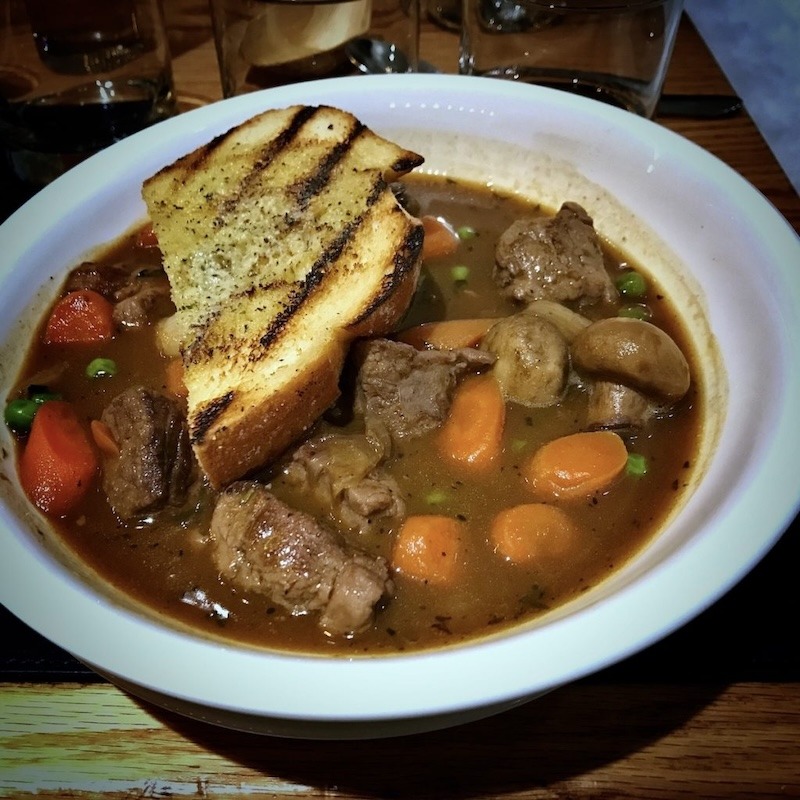
Many meals taste better the next day due to the melding of flavors and textural improvements during cooling and storage. Here are some examples:
Savory Dishes
- Stews and Soups
- Casseroles
- Lasagna
- Shepherd’s pie
- Macaroni and cheese
- Enchilada casserole
- Curries
- Chicken curry
- Vegetable curry
- Thai green curry
- Indian dal
- Pasta Dishes
- Spaghetti bolognese
- Baked ziti
- Pasta al forno
- Fettuccine Alfredo
- Rice Dishes
- Braised Meats
- Pot roast
- Osso buco
- Short ribs
- Coq au vin
Sauced and Marinated Dishes
- Sauced Dishes
- BBQ pulled pork
- Meatballs in marinara sauce
- Chicken cacciatore
- Beef stroganoff
- Marinated Dishes
- Marinated tofu
- Teriyaki chicken
- Greek lemon chicken
- Marinated vegetables
Vegetarian and Vegan Dishes
- Vegetarian Dishes
- Ratatouille
- Stuffed peppers
- Eggplant parmesan
- Black bean chili
- Vegan Dishes
- Vegan chili
- Lentil loaf
- Vegetable stew
- Tofu scramble
Desserts
- Baked Goods
- Chocolate cake
- Brownies
- Banana bread
- Pumpkin pie
- Chilled Desserts
- Cheesecake
- Tiramisu
- Fruit compote
- Bread pudding
These dishes benefit from the additional time for flavors to meld and ingredients to reach a harmonious balance, making them even more delicious when enjoyed the next day.




16 Responses
what about the invasion of microorganisms? I know we’re talking about putting it in the fridge, but possibly at certain points during the cooling down and reheating, there is an optimum temperature for the growth of friendly bacteria which add a delicious flavour? Just a thought.
I wonder if oxidization has an effect on this. That is why some wines benefit from “breathing.” Anyway I made wat, think of it as the Ethiopian version of curry, and it was good the first day, but far more flavorful the day after.
Maybe it’s you, and not the food? If you have spend ages preparing a meal, the taste may not be as enjoyable as it would be if not recently experienced through smell. Lets not forget that our ability to taste comes mostly from our sense of smell.
Hi Ed, I think the sense of taste although enhanced by the sense of smell comes mainly from our taste buds. The texture of a food as well as the temperature also plays a role and in combination make up what we call flavor. – RG
I totally see this as possible ! I’ve always thought this myself, I wonder if it has a lot to do with the fact you’ve been cooking and smelling it for hours.. ?
I think it has to do with the meat. Many meals DON’T taste good the next day, but I’ve yet to have a meal made with meat that didn’t improve with a bit of refrigeration.
Hi Keegan, thanks for your thoughts. – RG
Here’s my theory….
I am from New Orleans and have made many local dishes and soups. The most obvious dishes that benefit from being left ovennight in the fridge are soups or liquids. What’s interesting is this…The first day you prepare a spicy dish it is very spicy, but as time goes on the spices break down and no longer hold a candle to the first day. I would say its easily a 1/3 of the original spiciness. When food is in its original state in a refridgerator , it is essientially in preservation mode. From the moment is was extracted from an animal or the ground , it’s flavors begin breaking down. This is really just a micro scale of rotting. But in the very very beginning stages of it, so beginning you wont reallly notice it. Once you cook something at 212 degrees, molecules of the food begins to break down and soften, water is often excreted as well. What you smell is merely food particles. Food being stored after its been cooked is like a soapy wet washcloth that gets wrung out and left out in the sun to dry out. The smell should go away but it doesn’t, because the concentration of soap particles never left, but water did. So yes food might get more intense a day or two later…but what I think is when food initially gets cooked there are a lot of unpleasant tastes as well that people dont pick up on…for example take a bite out of a bell pepper or even just smell it after chopping it. Often times, I smell a strong planty smell to it. almost like the smell of weed wacking those talk celery looking weeds outside. That’s because its still alive and green that you get that smell from a bell pepper. That smell gets cooked away but its still there. Oils and Fats are probably more resistant to breaking down in the cooling process so they beat out the planty aromas in the cooling process in the refrigerator. The starches in rice continue to break down as well in all of my soups. It really becomes mushy because it is soaking in fluid for hours..Makes sense! Everything gets softer and as things get softer and break down, more flavors in areas that were resisting the cooking process can finally get reached and release more flavors that might have previously been holding out in the cooking process. Think about red beans and rice. It takes 3 hours of solid boiling to break down the red kidney bean…then it finally liquifies and produces this viscous red juice. A lot of people don’t cook things for three hours but instead put it in the fridge after making an hour long meal. Well those other two hours things are happening just like the three hours it takes before the kidney bean takes a new form and begins softening.
Just a few ideas for yall. : )
What all these theories appear to have in common, save the ‘tempering chocolate’ analogy, is some biochemical breakdown during refridgeration. This has one potential flaw: the effect of cooling on reaction rates. Cooling preserves food because it slows the reaction rates of decomposition and the activity of bacterial functions. While it is a 24h wait, the rate can slow up to 100 times for ever 20 degrees (using Arhenius conditions). If this “slow rotting” theory was true, the effect of placing it in the fridge for 24 hours should be the same as waiting 20 minutes at room temperature. To address the ‘mushy kidney beans’ that can be a combination of ruptured membrane and swelling of the starch and protein polymers. Perhaps instead of ‘slow rotting’ it’s a solvent penetration issue. The chocolate tempering and alcohol addition is interesting and ring similar to the theme of flavour/nutrient solvation. Perhaps that could explain purees and sauces in high end places, or even why meal replacement shakes are more popular than bars.
Personally, I cook because I have to, and things generally come out good. I think some things are better off not being nailed down as to why. Like rainbows, morning dew, Christmas morning… Sometimes the flavor fairy just shows up and makes it better. I’m just going to leave it at that while my chicken soup sits till tomorrow in the fridge. Then I am going to eat it and just be happier then if I ate it today.
And your response made me happy 🙂
This also made me happy. 🙂
My potato leek soup ALWAYS tastes better the next day. I thought it had something to do with letting it cool and have the flavors meld without heat but now I’m thinking it’s just my friendly neighborhood flavor fairy.
True, i also feel that way personally, but if we can find ot why, then restaurant and cooking business could try to find way to replicate that homey taste in shorter time, hence reduced manhour while create better food, and customers will be happier.
I dont believe cooling changes the flavor. If anything it may slow down the process that enhances the flavor hours to days later. When I cook bolognese I never serve it the same day unless I have to. I leave it covered at room temperature for about 18 hours at least.
I believe it matures as a result of early stage decomposition.
I think a scientist with an electron microscope could be more definitive.
Think of it this way, if I left it out at room temperature for a week, my bolognese would be off and minging! Now divide that by 7 and you’ve got a higher flavor, you hang peasant for up to a week before cooking, cheese matures for months, the best ribeye prime is left to age for up to 60 days in a salt dry room in the best steakhouses.
I believe the same principal of flavor enhancing decomposition is at work here.
I don’t know the reason either but nowadays when I make a lasagna or a pasta sauce I make it early so that I can refrigerate it until it has fully cooled or I make it the night before. I never add pasta to the sauce cause that will ruin it I’m not sure why it works with lasagna noodles for whatever reason they don’t act like other pasta by sucking up all the moisture and turning into a complete mush that my dog won’t eat. lol. Now that I am a widower it’s cheaper for me to buy a frozen PC choice lasagna because to date it’s the only lasagna that actually has cottage cheese in it, but the top layer of cheese is pretty wimpy so I add a good layer of my own cheese on top and I don’t like to eat it until it’s cooled down and reheated it I can’t explain this but it just is. When I eat it I use craft parmesan, garlic bread w/cheese and crushed red pepper to bring it all together in one fantastic poor man’s lasagna dish lol.
I know of one very simple true reason. Not saying it’s the only reason. If you cook something to an internal temperature especially meats that is high enough. It expels what’s in it. juices and flavors come out of the meats and vegetables. take a piece of something boil it in plain water long enough then taste it.. it would be tasteless.. so as our dishes are cooling and then sitting it gets to re absorb all the various flavors that were cooked out. But if you eat it too soon after most of the flavor is in the broth alone.. after sitting long enough everything is permeated with the flavors of everything and everything taste like everything.. lol just started feeling silly so tired right now..I think this is in my opinion the biggest factor but not the only..
I think its tomato based things that are better the next day. Enchiladas, lasagna, spaghetti etc. The reason is because the acids from the tomatoes break down the various ingredients and cause a melding of the flavors.
Many things I prepare, from smoked spare ribs to homemade chip dip, are better the next day. I think the gentleman with the decomposition was on the right track.