


A-D – E-I – J-M – N-Q – R-U – V-Z
Welcome to my culinary glossary, your ultimate guide to unraveling the mysteries of cooking terminology. Enhance your culinary prowess and explore the world of kitchen jargon with ease.
Here are some cooking terms that you will find in every cookbook but may not be familiar with, including new terms I’m just learning about.
New Cooking Terms & Definitions
Here are some common restaurant terms you may be interested in learning:
Covers refer to the number of meals served to customers during a specific period, typically within a day or a meal service. It is a way for restaurant staff and management to track the volume of business and understand how busy or slow a particular shift or day has been. The term “covers” counts the total number of guests or parties served, not the individual dishes or courses ordered. For example, if a restaurant serves 50 guests during lunch service, it would be said to have had 50 covers for lunch. Monitoring covers helps restaurants plan staffing levels, manage inventory, and analyze overall performance.
Fire Up is a command a chef or kitchen staff gives to start cooking or preparing a specific dish. When a ticket comes into the kitchen with an order for a particular item, the chef may call out “Fire up the steak” or “Fire up the pasta,” indicating that the cooking process for that dish should begin. This phrase helps coordinate the timing and execution of orders in the kitchen to ensure that all dishes are prepared and served promptly and efficiently.
In the Weeds is a common phrase in the restaurant industry to describe a situation in which a server or kitchen staff member is overwhelmed and struggling to keep up with their tasks. When someone is “in the weeds,” they may be dealing with a high volume of orders, facing delays, or experiencing other challenges that make it difficult for them to handle their responsibilities efficiently. This term is often used to seek assistance or to let others know that help is needed to manage the workload effectively.
Stretch It refers to the practice of making a limited amount of ingredients or supplies last longer or go further. This is often done to manage costs and reduce waste. For example, if a restaurant is running low on a particular ingredient, the kitchen staff may be instructed to “stretch it” by using smaller portions or finding creative ways to incorporate it into multiple dishes. Stretching resources can be essential for maintaining efficiency and profitability in a restaurant setting.
86 It means removing an item from the menu or no longer offering it to customers. When an item is “86’d,” it means the restaurant has run out of that dish or ingredient and it’s no longer available to order. This term is often used to instruct servers and kitchen staff to inform customers that the item is unavailable. The term’s origin is unclear, but it has been used in the restaurant industry for many years.
A – D
Aglione sauce is a traditional Tuscan sauce known for its simplicity and bold flavors. Made with garlic, tomatoes, chili peppers, and olive oil, it delivers a vibrant combination of spicy, garlicky, and slightly sweet notes. It is often paired with pici pasta for a satisfying and authentic culinary experience.
Al dente (al-Den-tay): In Italian, the phrase means “to the tooth.” It is a term used to describe the correct degree of doneness when cooking pasta and vegetables. The food should have a slight resistance when bitten, but it should not be soft, overdone, or have a hard center.
Aglione sauce is a traditional Tuscan sauce known for its simplicity and bold flavors. Made with garlic, tomatoes, chili peppers, and olive oil, it delivers a vibrant combination of spicy, garlicky, and slightly sweet notes. It is often paired with pici pasta for a satisfying and authentic culinary experience.
Al dente (al-Den-tay): In Italian, the phrase means “to the tooth.” It is a term used to describe the correct degree of doneness when cooking pasta and vegetables. The food should have a slight resistance when bitten, but it should not be soft, overdone, or have a hard center.
Allemande sauce is a classic French sauce made by thickening a light veal or chicken stock with a roux, then enriching it with egg yolks and cream, resulting in a smooth, velvety, and slightly tangy sauce.
All-purpose flour: A blend of high and low-protein flours. The manufacturers blend the flour so that there is enough gluten in it to make a reasonable (often excellent) loaf of bread but not so much that you will end up with a chewy birthday cake. This is why they call it “all purpose:” It is good to use in various baked goods.
I direct you to read my friend Lola’s explanation for a great explanation of how al dente pasta should feel and taste. Lola is a wonderful home cook from Italy and knows what she is discussing. Her description of al dente is at the end of my post for Pasta e Fagioli.
Aperol Spritz is a popular Italian aperitif cocktail. It combines Aperol, a bitter orange liqueur, with prosecco, a sparkling wine, and a splash of soda water. The result is a refreshing, bittersweet drink with vibrant orange hues, perfect for enjoying during sunny afternoons or social gatherings.
Arborio rice is a short-grain, stubby type originally from Italy and named after a town in the Po Valley. With a higher starch content than most rice, properly cooked Arborio rice is creamy but firm and chewy.
Arrabbiata sauce is a spicy Italian pasta sauce made from tomatoes, garlic, olive oil, and red chili peppers, delivering bold, fiery flavor that pairs perfectly with penne.
Arugula, also known as rocket or rucola, is a leafy green vegetable with a distinctive peppery and slightly nutty flavor. It belongs to the brassica family and is rich in vitamins A, C, and K. Arugula is commonly used in salads, sandwiches and as a flavorful garnish.
Avocados are versatile fruits known for their creamy texture and mild, nutty flavor. They are packed with healthy fats, fiber, and various vitamins and minerals. Avocados are commonly used in salads, spreads, and smoothies and as a key ingredient in guacamole, adding a delicious and nutritious element to dishes.
Bard To tie some fat (bacon or fatback) around what you are cooking to prevent it from drying out while roasting. Often used with fowl or extremely lean meats, barding bastes the meat while it cooks, thus keeping it moist.
Baste is the act of spooning, brushing, or squirting a liquid (such as meat drippings, stock, barbecue sauce, or melted butter) onto food while it cooks to prevent it from drying out and add flavor.
Bearnaise Sauce Béarnaise sauce is a classic French sauce made with reduced white wine, vinegar, shallots, and tarragon, combined with egg yolks and clarified butter. It is known for its rich, creamy texture and tangy, herbaceous flavor, often served with grilled meats or as a topping for eggs Benedict.
Bone broth is a nourishing and flavorful liquid made by simmering animal bones, often with aromatics and vegetables, for an extended period. It is known for its rich collagen content, which provides a range of potential health benefits and makes it a versatile base for soups, stews, and other dishes.
Boquerones (bo-keh-ROAN-es) – also known as white anchovies in the United States and gavros in Greece, boquerones are freshly cured anchovies. They are basically cooked like ceviche in either lemon juice or vinegar, depending on where you live, and salted to draw some of the moisture out.
Braise (BRAYZ) A cooking method where meat or vegetables are first browned in butter and/or oil, then cooked in a covered pot in a small amount of cooking liquid at low heat for a long period of time. This slow cooking process both tenderizes the food by breaking its fibers and creates a full-flavored dish. Check out my article on Braising and then my recipe for osso buco for a delicious example of this cooking method.
Boeuf Bourguignon is a classic French stew of beef braised in red wine with onions, carrots, mushrooms, and herbs, yielding tender, flavorful, and rich comfort food.
Bouquet garni is a small bundle of herbs tied together or placed in a piece of cheesecloth, used to enhance the flavor of soup or stew. The classic combination of herbs is parsley, thyme, and bay leaf, but I like to add other herbs that I think will pair well with the dish.
Branzino is a mild, tender Mediterranean sea bass, prized for its delicate white flesh and subtle flavor, often grilled, roasted, or baked whole, making it a versatile and elegant seafood choice.
Broth the same thing as stock, a flavorful liquid prepared by simmering meat, poultry, fish, or vegetables in water with some added herbs. This liquid can then be used for making soups, sauces, braises, or by itself. Home cooks were likelier to see the term broth where professionals use the word “stock.” Not to be confusing, but some people use the term bouillon. Be sure to check out my post about the difference between chicken stock and chicken broth.
Bronze Cut is the die used when making tubular pasta like spaghetti or penne. I know this because years ago I owned a pasta extruder, and it came with a bronze die. Why is a bronze-cut pasta better than the more economical Teflon dies? The pasta produced from bronze dies “have a rough, textured surface that helps the sauce cling to the pasta.”
Bucatini is a traditional Italian pasta characterized by its long, hollow shape. It is similar to thick spaghetti but has a hole running through the center. This hollow core gives bucatini a unique texture and allows it to hold sauces exceptionally well, making it a favorite for hearty and flavorful dishes.
Butter is a creamy, smooth dairy product made from churning fresh or fermented milk or cream. Its rich flavor and smooth texture make it widely used in cooking, baking, and as a spread. Butter adds richness and depth to dishes and is a staple in many culinary traditions.
Cabbage comes from the French word caboche, a colloquial term for the head. The most common cabbage is the tight-leafed compact head that ranges in color from white to red although many other types of cabbage vary in size and shape worth trying. Cabbage can be cooked or eaten raw as in cole slaw. When buying, look for heads that appear heavier than their size with crisp leaves. The cabbage family also includes kale, broccoli, cauliflower, and Brussels sprouts.
Cacio e Pepe is a simple Italian pasta dish from Rome, featuring spaghetti, Pecorino Romano cheese, and freshly cracked black pepper, creating a creamy, savory, and peppery sauce with minimal ingredients.
Campari is a vibrant, crimson-colored Italian liqueur known for its bitter and herbaceous flavor profile. Made from a blend of herbs, fruits, and spices, it is often used as a key ingredient in classic cocktails like the Negroni, providing a distinctive and refreshing taste.
Cannellini beans (kan-eh-LEE-nee), also known as white kidney beans, are large, creamy white beans with a mild flavor and smooth texture. Commonly used in Italian cuisine, they are prized for their versatility in soups, stews, salads, and dips, adding a hearty and nutritious element to dishes.
Canola oil is the market name for rapeseed. It was the most popular oil in Canada, but the name was changed to protect the innocent. Canola oil is now popular in the US because it only contains about 6% saturated fat. It also contains more monounsaturated fat than any oil other than olive oil and Omega-3 fatty acids, which are thought to help lower cholesterol. It doesn’t have much of a taste and should be used for cooking (it has a high smoking point) and salad dressings.
Caper, not to be confused with “a playful skipping movement,” is the edible flower buds of the caper bush that are usually salted and pickled and are popular in Mediterranean cuisine. Capers come in different sizes, including the most common, nonpareils (up to 7mm), surfines (7–8 mm), capucines (8–9 mm), capotes (9–11 mm), fines (11–13 mm), and grusas (14+ mm). See my recipe for Spaghetti with Tomato Caper Sauce Recipe
Castelvetrano Olives, also known as Nocellara del Belice, come from the Valle del Belice region of Sicily; these green olives are harvested at a young age and cured in salted brine. They are bigger than most olives and much greener. They have a meaty texture and a buttery, mildly sweet-and-salty taste.
Cavatelli pasta is a small, shell-shaped pasta originating from southern Italy. Made from a simple dough of flour, water, and sometimes eggs, cavatelli is rolled into small shapes resembling elongated shells. Its ridges and curves make it ideal for capturing and holding onto the sauce, delivering a delightfully chewy texture.
Ceviche is a seafood dish made from fresh raw fish like shrimp, scallops, bass, halibut or any other fresh ocean white fish that is cured in lemon or lime juice and combined with onion, green chili peppers, cilantro, olives, and whatever you feel would work with this dish. Is ceviche really cooked? Technically no. Cooking requires heat but by marinating fish in citrus juice, you are using a process called denaturation where you are altering the chemical and physical properties of the protein molecules similar to when you cook them with heat.
Charcuterie is a selection of cured and preserved meats, often served alongside various complementary accompaniments. It typically includes items such as cured sausages, pâtés, cured hams, and artisanal cheeses, presented on a platter for an appetizing, visually appealing grazing experience.
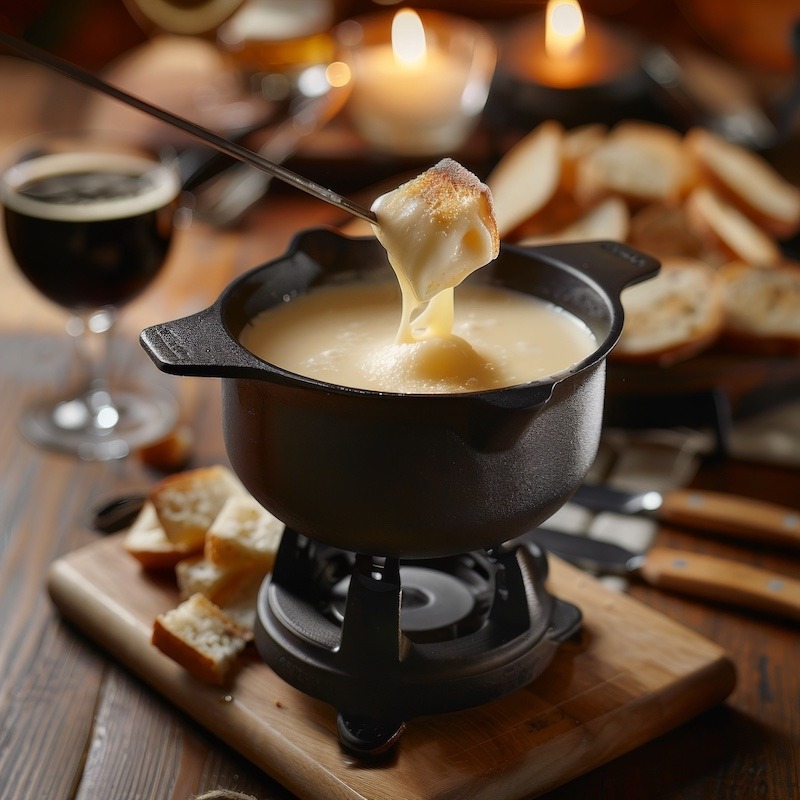
Cheese Fondue is a communal Swiss dish where melted cheese, often blended with wine and seasonings, is served in a pot for dipping bread, vegetables, or meats, creating a warm, gooey, and interactive meal.
Cheese Pies are baked pastries or savory tarts filled primarily with cheese, often combined with eggs, cream, or herbs, resulting in a rich, creamy, and flavorful dish served as a snack, appetizer, or meal.
Chicken Breast Half refers to one side of a whole chicken breast that has been divided into two portions. A whole chicken breast typically consists of two halves: the left side and the right side, separated by the breastbone.
When a recipe calls for a chicken breast half, it usually means using one of these individual portions. The boneless, skinless chicken breast halves are a common choice in cooking because they are lean and versatile. Many recipes that call for chicken breasts often specify whether to use them whole or to cut them into smaller pieces.
In culinary terms, it’s common to use “chicken breast” and “chicken breast half” interchangeably to refer to individual portions of the breast. When preparing chicken dishes, it’s important to follow the recipe instructions regarding whether to use whole chicken breasts or specific portions, depending on the desired outcome.
Chicken Korma is a rich, mildly spiced Indian curry made with tender chicken simmered in a creamy sauce of yogurt, cream, nuts, and aromatic spices, delivering a fragrant, smooth, and flavorful dish.
Chiffonade is a culinary technique in which herbs or leafy greens, such as basil or spinach, are cut into thin, delicate ribbons. This is achieved by stacking the leaves, rolling them tightly, and slicing them finely, resulting in elegant, visually appealing garnishes or additions to dishes. Check out my post on knife cuts.
Coconut rice is a fragrant, slightly sweet dish made by cooking rice in coconut milk, often with a touch of sugar and salt, resulting in creamy, aromatic grains that pair well with savory or spicy dishes.
Cole slaw Coming from the Dutch term koolsla, which means “cool cabbage,” it’s a salad made with shredded cabbage mixed with mayonnaise and various other ingredients. Check out my dad’s cole slaw recipe to see what he puts into his.
Congee is a comforting rice porridge commonly consumed in Asian cuisines. It is made by simmering rice in a large amount of water or broth and is often served with various toppings and seasonings. Congee can be served on its own or combined with other ingredients such as meat, chicken, vegetables, or seafood. It is prepared with lots of water, and the rice is cooked until it forms a thick porridge.
Cowboy caviar is a flavorful, colorful salsa-like dip originating in the Southwestern United States. It typically consists of black-eyed peas, corn, bell peppers, onions, tomatoes, and various herbs and spices. The combination of textures and zesty flavors makes it a delicious and versatile dish for parties and gatherings.
Crocchette are Italian-style fried croquettes, typically made from mashed potatoes, cheese, or meat, coated in breadcrumbs, and crisped to golden perfection for a crunchy, creamy bite.
Cut in When a solid fat such as butter is mixed with a dry ingredient like flour until they form into small particles. I would use a food processor fitted with a metal blade and pulse it. You can also use your trusty fingers to do the job.
Dashi is a traditional Japanese stock commonly used as a base for soups and sauces. It is made by simmering kombu (seaweed) and bonito flakes to create a savory, umami-rich broth.
Demi-glace (DEHM-ee glahs) is a rich brown sauce made from reduced veal and beef stock used to make classic sauces. This stuff gives those sauces served at fancy restaurants a velvety texture and sheen; for more information about demi-glace.
Dining etiquette is the set of social rules and manners governing behavior at meals, including table settings, utensil use, conversation, and respectful interactions in formal or casual settings.
Dredge (DREHJ) is to lightly coat a food, such as meat or vegetables, in a dry ingredient like flour, breadcrumbs, or cornmeal. This process helps add a protective, crispy outer layer when the food is cooked, enhancing texture and flavor. Check out my recipe for Sole Meuniére.
Dutch babies, also known as German pancakes, are oven-baked pancakes that puff up dramatically as they cook. Made from a batter of eggs, flour, milk, and sugar, they are light and airy and are typically served with powdered sugar, fruit, or syrup as a sweet breakfast or brunch treat.
E – I
Filé Powder – (FEE-lay, fih-LAY) Filé powder is a spice made from dried and ground sassafras leaves. Traditionally used in Creole and Cajun cuisine, it adds a unique flavor and thickening agent to dishes like gumbo.
Fleur d’Aunis is a French goat’s milk cheese flavored with the aromatic Fleur d’Aunis pepper, offering a creamy texture, mild tang, and subtle spicy, herbal notes that enhance its delicate flavor.
Flourless Chocolate Cake is a rich, dense dessert made with chocolate, butter, sugar, and eggs, omitting flour for an intensely fudgy texture, deep chocolate flavor, and naturally gluten-free indulgence.
Fond is the brown caramelized bits of “stuff” left in the pan after you saute meat or fish. It’s the stuff you make great sauces from…sort of a base.
Fondue From the French word for “melt,” the term could refer to food cooked in a communal pot at the table or to finely chopped veggies that have been slowly cooked to a pulp and used as a garnish.
Gazpacho is a tomato-based veggie soup that is a great summer recipe when fresh vegetables are readily available in the kitchen. Here’s a great gazpacho recipe
Gnudi are delicate Italian dumplings made from ricotta cheese and flour, similar to gnocchi but lighter, often served with butter, sage, or tomato sauce for a tender, pillowy texture.
Gochujang is a spicy and fermented Korean chili paste made from red chili peppers, glutinous rice, fermented soybeans, and salt. It has a deep and complex flavor with a balance of heat, sweetness, and umami and is commonly used as a condiment and ingredient in Korean cuisine.
Glace refers to a glossy and concentrated sauce or coating that is typically made by reducing and intensifying a liquid, such as stock or wine, to enhance flavors and textures.
Great Northern Beans Grown in the Midwest, this large white bean looks like a Lima bean and has a wonderful delicate flavor. Goes great in Winter Polish Peasant Sausage & Bean Stew.
Gremolada (greh moh Lah dah) An Italian garnish consisting of minced garlic, parsley, lemon rind, and sometimes shredded basil. It is most often used in garnishing osso buco.
Gratinéed means “with a browned crust of bread crumbs and grated cheese.” You may have heard of gratin potatoes or gratinéed tomatoes.
Gricia pasta sauce is a traditional Italian sauce originating from the Lazio region. It is made by sautéing guanciale (cured pork cheek) or pancetta with pecorino cheese, black pepper, and sometimes garlic. The resulting sauce is then tossed with pasta for a flavorful and indulgent dish.
Gumbo (GUHM-boh) is A thick stew-like dish associated with Creole cooking in Louisiana. It typically includes okra, tomatoes, onions, and a protein such as crab, shrimp, sausage, or chicken. The name gumbo derives from the African word for okra, one of the principal ingredients. Check out my recipe for Gumbo.
Habanero sauce is a fiery hot sauce made from habanero peppers, often blended with vinegar, fruit, or spices, delivering intense heat, vibrant flavor, and a tropical, tangy kick to dishes.
Haggis (HAG-ihs) A Scottish dish made from sheep organs (offal) like the heart, liver, and lungs. I’m not sure I will ever enjoy this traditional dish but if I’m in Scotland on Burns Night, the 25th of January to celebrate the birthday of poet Robert Burns or New Year’s Eve ( Hogmanay), I may give it a try. These innards are first boiled and then combined with beef suet and toasted oatmeal. Next, they are transferred to the sheep’s stomach which is sewn closed and then boiled again for hours. Served with mashed turnips and a little milk and allspice, called “neeps” or creamed potatoes flavored with nutmeg and called “tatties.”
Haricot vert (ah-ree-koh VeHR) is the French term for green string beans, but you find these really thin green beans in the supermarket. Comes from “haricot” which means bean and “vert” which means green. Some say they have better flavor, I’m not sure of that but they sure look good on the plate.
Hoisin sauce is a thick, dark pungent sauce used in Chinese cooking as a glaze, dipping sauce, or added to stir-fries. Also called Chinese plum sauce, the name hoisin comes from the Chinese word for seafood. Hoisin sauce varies depending on where in China you live. Ingredients may include soy, garlic, and red chilies.
Hominy An early gift from the American Indians, hominy is dried corn kernels that have had the hulls and germ removed either mechanically or chemically. We purchased canned hominy for our Posole, but you can also buy it dried. Do you remember in the movie My Cousin Vinny when they talk about grits? Well, they were talking about ground-dried hominy.
Ice I’m not talking about frozen water ice but instead the act of drizzling a baked good (cake, cupcakes, etc.) with a thin layer of frosting. You know it more commonly as icing.
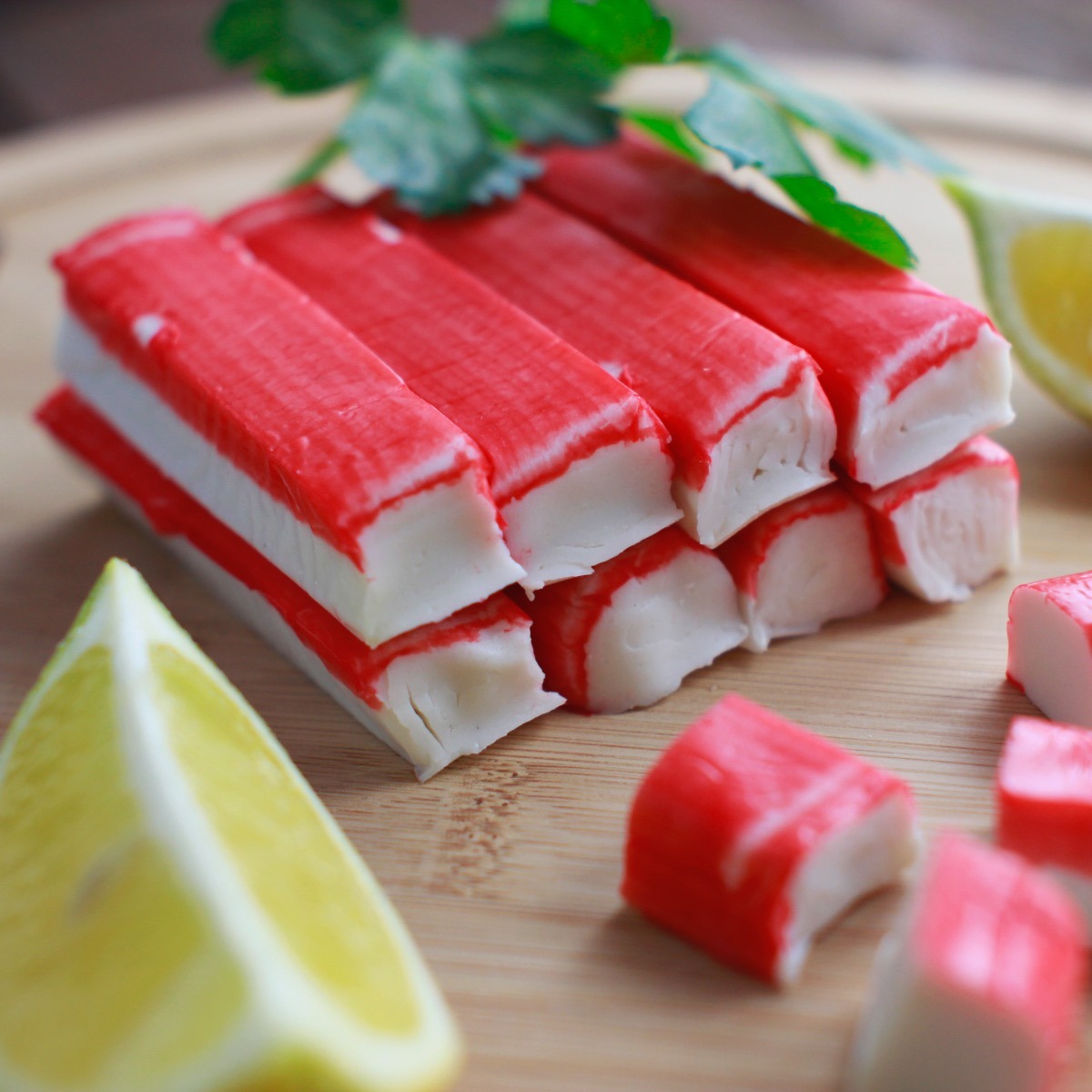
Imitation crab, or surimi, is a seafood product made from a mixture of fish paste, starch, and flavorings. It is designed to resemble the texture and appearance of real crab meat, offering a more affordable alternative for dishes like sushi rolls and seafood salads.
J – Q
Jamón Ibérico is a premium Spanish cured ham made from Iberian pigs, prized for its marbled fat, rich nutty flavor, delicate texture, and long aging process that develops its distinctive taste.
Jelly Roll is a soft, rolled dessert made from a thin sponge cake spread with jam or cream, then tightly rolled into a spiral, creating a light, sweet, and visually striking treat.
Kimchi (KIHM-chee) is a very spicy condiment that is extremely pungent and served at most Korean meals—made from fermented vegetables like turnips and cabbage that have been pickled. In Korea, they are then jarred, buried in the ground, and dug up when needed. If you like it HOT, you’ll like kimchi.
Knead To mix and work the dough into a pliable mass either manually or with a mixer/food processor. When done by hand, you press the dough with the heels of your hands, fold it in half, give a quarter turn, and repeat until smooth and elastic.
Ladyfinger, shaped like a fat finger, is a delicate sponge cake used to make desserts like Tiramisu and Charlotte. It can usually be purchased in bakeries, supermarkets, or specialty markets.
Leavening is the addition of gases to a dough or batter through biological, chemical, or mechanical means, which causes it to rise and lighten during mixing and/or baking.
Madeira Sauce is a classic French-style sauce made by reducing Madeira wine with beef or veal stock, often enriched with butter or demi-glace, resulting in a smooth, rich, and slightly sweet accompaniment for meats.
Mangoes A fruit (they have a pit) that is fleshy and has a light-orange ripened skin color. A typical mango is around three to five inches long and weighs approximately one pound.
Maître d’ (MAY-truhDEE) is Short for maître d’hôtel, which translates literally as master of the hotel. The head waiter is in charge of assigning people to their tables in a restaurant. Part of their responsibilities may also include ensuring the staff waiters are doing their jobs, training them, handling complaints, and liaising between the front of the house and the kitchen.
Maillard Reaction is a chemical reaction that occurs when amino acids and reducing sugars react at high temperatures. It leads to browning, creating rich flavors, aromas, and complex compounds in foods. Responsible for the delicious crust on seared meats and the golden color of baked goods.
Margarita is a classic cocktail with a refreshing and tangy flavor profile. Typically made with tequila, lime juice, and orange liqueur, it is often served on the rocks or blended with ice. Margaritas are popular for their zesty and citrusy taste, perfect for sipping on warm summer days.
Marinade is a flavorful liquid mixture that enhances the taste and tenderizes meat, poultry, or seafood. Typically consisting of acidic ingredients like vinegar or citrus juice, oil, herbs, spices, and aromatics, it infuses the food with delicious flavors and helps to tenderize it before cooking.
Maritozzi are traditional Italian sweet buns hailing from Rome. These soft and enriched yeast rolls are typically filled with whipped cream or custard and sometimes adorned with raisins. Maritozzi are enjoyed as a delightful treat, especially during festive periods and special occasions.
Mesclun (MEHS-kluhn) is a combination of fancy, young salad greens that were once hard to find but are now popular and available pre-washed in the produce section of your supermarket in the Bag O Salad section. The mix usually includes arugula, dandelion, frisee, mizuna, oak leaf, radicchio, and sorrel.
Meuniére (muhn-YAIR) is a fancy French name for “miller’s wife” and refers to the cooking technique used. In this case, fish is seasoned with salt and pepper, then dredged with flour and sautéed in butter. Check out my recipe for Sole Meuniére
Mirepoix (mihr-PWAH) A mixture of diced carrots, onions, celery, and herbs that have been sautéed in butter or oil and used to season soups and stews. Sometimes mirepoix will contain diced prosciutto or ham to enhance flavor.
mise en place (MEEZ ahn plahs) This technique is IMPORTANT and the hardest to get novice cooks to stick with. It’s a French term for having all your ingredients prepped and ready to go before starting you start cooking. That means everything is cleaned, peeled, chopped, diced, measured, and whatever else is necessary to get the ingredients ready before preparing your dish. Many of us, including myself, start cooking and prepping simultaneously—a big NO-NO. Try to get into the habit of mis en place. To read more about mise en place
Miso – a fermented soybean paste made from soybeans, salt, and koji (a filamentous fungus (a mold) used in Japan to ferment soybeans for making soy sauce and fermented bean paste) but can be made from barley, rice, or other grains. You often find it as red or white miso; the darker the color, the stronger the taste. It is famous in Japan for miso soup but can be used to make sauces and Asian-style salad dressings.
Mochiko is a type of glutinous rice flour commonly used in Japanese and other Asian cuisines. It is made from short-grain glutinous rice and adds a chewy and sticky texture to dishes like mochi, dango, and other sweet or savory treats.
Mongolian Hot Pot is a communal dining experience originating from Mongolia and China. It involves a simmering pot of flavorful broth placed at the center of the table, where diners cook various raw ingredients, such as meats, vegetables, and noodles, creating a personalized and interactive meal.
Mortadella is a classic Italian deli meat from Bologna. It is a large, cylindrical, finely ground pork sausage seasoned with spices like black pepper and myrtle berries. Known for its distinctive pink color and recognizable flavor, mortadella is commonly sliced and enjoyed in sandwiches or antipasto platters.
Moussaka is a traditional Mediterranean casserole, most famous in Greece, made with layers of eggplant, spiced meat, and béchamel sauce, baked until golden, creating a rich, savory, and comforting dish.
Muddle means gently crushing or pressing ingredients, such as fruits, herbs, or sugar, in the bottom of a glass or cocktail shaker. This technique releases flavors and aromas, infusing them into the drink and adding a fresh and vibrant element.
Pastry Scraper is a flat, rigid tool used in baking to cut, lift, and manipulate dough, scrape surfaces clean, and portion ingredients, making handling and cleanup easier in the kitchen.
Pomegranate Molasses is a thick, tangy-sweet syrup made by reducing pomegranate juice, commonly used in Middle Eastern cooking to add rich, fruity acidity to sauces, marinades, dressings, and glazes.
Priest’s Omelet is a simple, savory egg dish traditionally made with beaten eggs, herbs, and sometimes cheese or vegetables, lightly cooked to a tender, fluffy texture, often served as a quick, satisfying meal.
R – U
Ragù is a savory Italian meat sauce that is slow-cooked to develop rich flavors. Typically made with a combination of meats, such as beef, pork, and veal, along with aromatic vegetables, herbs, and tomatoes, it creates a luscious and hearty sauce perfect for pairing with pasta, including pici.
Refried beans are a traditional Mexican dish made from cooked and mashed beans, usually pinto or black beans. Despite the name, they are not actually fried twice but cooked with onions, spices, and sometimes lard for a creamy, flavorful consistency. Refried beans are a versatile and delicious accompaniment to various Mexican and Tex-Mex dishes.
Rennet is a natural enzyme used in cheesemaking to coagulate milk and separate it into curds and whey. Traditionally derived from the stomach lining of young mammals, it aids in the formation and texture of various types of cheese, playing a crucial role in the cheesemaking process.
Resting or removing meat or poultry from heat before reaching ideal internal temperatures to allow the redistribution of juices in the meat. This helps keep the meat retains its juices, evens out temperature and doneness, and makes it easier to carve.
Rigatoni is a popular Italian pasta with large, ridged tubes that are cut straight at the ends. Its robust shape and texture make it ideal for capturing and holding onto thick and hearty sauces, making every bite a delicious and satisfying experience.
Roux A mixture of flour and fat cooked over low heat and thickens soups and sauces. There are three types of roux…white, blond, and brown. White and blond roux are both made with butter and used in cream sauces while brown roux can be made with either butter or the drippings from what you are cooking and is used for darker soups and sauces.
Rhubarb pandowdy is a classic dessert with a sweet-tart filling of rhubarb baked under a layer of biscuit or pie crust. During baking, the crust is intentionally “dowdied” or broken into pieces and pushed into the fruit, creating a rustic and deliciously messy dessert.
Sachet A sachet is a small bag made of cloth or cheesecloth filled with various herbs and spices and used to flavor the soup, stews, stocks, and sauces. The combination of herbs and spices can vary depending on your cooking but typically include bay leaves, peppercorns, parsley, and thyme.
Fresh herbs and spices are better, but dried ones will do nicely if you can’t access fresh ones. You can use kitchen string (I have a roll of kite string in our kitchen) to tie the bundle together or even tie the four corners to themselves. I have even seen these nifty disposable cloth bags you can buy at kitchen supply stores.
Saffron is an extremely expensive yellow-orange spice made from the stigmas of purple crocus. Think about this; each crocus produces only three hand-picked and dried stigmas. It takes 14,000 of these tiny stigmas to produce an ounce of saffron. When buying choose the whole threads over the powder form and store them in an air-tight container in a cool dark place. Saffron is used for flavoring but was once used for medicinal purposes and dying clothes.
Saimin noodles are a type of thin, wheat-based noodle commonly found in Hawaiian cuisine. Influenced by Japanese ramen, Chinese mein, and Filipino pancit, saimin noodles are typically served in a savory broth with various toppings like char siu, green onions, and kamaboko, creating a comforting and flavorful dish.
Saltimbocca is a traditional Italian dish of tender veal or chicken topped with prosciutto and fresh sage, cooked in a buttery, wine-infused sauce, delivering a savory, aromatic, and flavorful bite.
Salumeria is an Italian specialty shop or delicatessen that specializes in selling cured meats, such as salami, prosciutto, and mortadella, as well as various cheeses, olives, and other gourmet products. It is a haven for exploring and acquiring high-quality charcuterie and artisanal offerings.
Self-rising flour is one of the first “baking mixes.” Rather than measuring out all-purpose flour, baking powder, and salt separately, a cook can measure the self-rising flour–everything else is already in there.
Score refers to the process of making shallow cuts or incisions on the surface of food, such as meat or fish. This technique serves multiple purposes, including tenderizing the protein, promoting even cooking, enhancing presentation, and allowing marinades or seasonings to penetrate effectively.
Scoville scale Think of this scale as a way to measure the hotness of peppers in heat units called Scovilles. It basically measures the capsaicin concentration, which gives peppers their hotness. It is named after its founder Wilbur Scoville who devised the Scoville Organoleptic test back in 1912.
Shaoxing wine is a Chinese rice wine made from fermented rice and originated from a region in China called Shaoxing. It can be drunk but is most often used in cooking. It is a variety of huangjiu wines made from water, cereal grains, and a starter. It is not fermented and typically contains less than 20% alcohol.
Shoofly pie is a traditional Pennsylvania Dutch dessert originating from the United States. It consists of a molasses-based filling combined with flour, brown sugar, and spices, baked in a pie crust. The resulting pie has a gooey bottom layer and a crumbly, sweet top layer, making it a deliciously unique treat.
Simmer To cook food in liquid gently over low heat. You should see tiny bubbles just breaking the surface of the liquid.
Skirt steak is a flavorful and relatively inexpensive cut of beef derived from the diaphragm muscle. It is known for its long, thin shape and pronounced grain. Skirt steak is prized for its rich beefy taste and is commonly used in fajitas, stir-fries, and grilled dishes.
Smoking point is when a fat such as butter or oil smokes and lets off an acrid odor. Not good since this odor can get into your cooking and give it a bad flavor. Butter smokes at 350° F, vegetable oil at 445° F, lard at 365°-400°F and olive oil at about 375° F.
Soft-Boiled Eggs are eggs cooked in their shells in simmering water until the whites are set but the yolks remain runny, offering a creamy, rich texture perfect for breakfast, salads, or ramen.
Speck is a pork product very similar to prosciutto or bacon. Hailing from northern Italy, speck is first cured in salt with spices like juniper and laurel and then slow-smoked for several months. If you taste it raw, it will taste fatty but it is an excellent ingredient to cook with to give a dish another layer of flavor. Some people call speck Italian bacon.
Steak Diane is a classic pan-seared beef dish featuring tender steak cooked with a rich, flavorful sauce of butter, shallots, mustard, Worcestershire, and brandy, often flambéed tableside for a dramatic finish.
Stir-Fry is a high-heat cooking method often associated with Chinese cooking where ingredients are cooked in a small amount of hot oil while constantly stirring. Stir-frys are often prepared in a cooking vessel called a wok but you can stir fry in a frying pan. To learn more about this great Stir-Fry technique…
Stock, also called broth or bouillon, is a flavorful liquid made by gently cooking meat, chicken, or fish (with bones) in water and used for making sauces, soups, and glaces, and can be used for braising or poaching. I have read that for this liquid to be called stock, it must be made with bones; therefore, there is no such thing as vegetable stock. Not so sure this is true, but it sounds interesting. I have also read that the term comes from professional chefs keeping this important liquid ingredient “in stock” until they need it for cooking.
Strozzapreti pasta is an Italian variety known for its twisted, elongated shape and rough texture. The name translates to “priest choker,” stemming from a tale that the pasta’s deliciousness could cause gluttonous priests to choke. Its ridges and spirals provide excellent sauce adherence, resulting in a satisfying and flavorful eating experience.
Sweat is a gentle cooking technique for heating ingredients, such as vegetables or aromatics, in a small amount of fat over low heat. This method lets them release moisture, soften, and develop flavors without browning or caramelization.
Tagliatelle Pasta is a long, flat ribbon-shaped pasta from Italy, similar to fettuccine, traditionally made with egg and flour, ideal for holding rich sauces like Bolognese or creamy mushroom sauces
Tapenade (ta pen AHD) is a thick paste made from capers, anchovies, olives, olive oil, lemon juice, and seasonings. This delicious condiment originated in the French region of Provence.
Tilapia is a freshwater fish known for its mild flavor, firm texture, and versatility in cooking. It is commonly farmed worldwide, making it an affordable, lean protein option for grilling, baking, or frying.
Tinto de Verano is a refreshing Spanish beverage commonly enjoyed during the summer. It is made by mixing red wine with lemon soda or carbonated water, resulting in a light, fruity drink with a lower alcohol content. Tinto de Verano is perfect for hot days and outdoor gatherings.
Toad-in-the-hole is a British dish consisting of a Yorkshire Pudding batter and cooked link sausages. When baked, the batter puffs up around the sausages, giving the appearance of “toads in the hole.”
Tomato concasse is a culinary technique where tomatoes are blanched, peeled, seeded, and diced into small pieces. This process helps remove the skin and seeds, resulting in a smoother texture. Concasse is commonly used in sauces, soups, and salsas to enhance the flavor and appearance of dishes.
Tomato Passata is an uncooked tomato puree with seeds and skins strained out. Passata originated in Italy but is found and used throughout many countries. It differs from tomato sauce or tomato paste because it is not cooked. It is 100% uncooked tomatoes with no added garlic, onion, or carrots. Passata is sold in some gourmet markets in tall, thin bottles or cardboard cartons.
Tzatziki (dzah-DZEE-kee) is a popular Greek sauce made with drained plain yogurt, cucumbers, garlic, oil, and vinegar. It can be used as a spread on flatbreads, makes a perfect lamb sauce, or works well with Greek-style turkey burgers.
Umami One of the five basic tastes often referred to as savoriness with a “long-lasting, mouthwatering and coating sensation over the tongue.”
V – Z
Veal Marsala is an Italian-American dish featuring tender veal cutlets sautéed and simmered in a rich Marsala wine and mushroom sauce, creating a savory, slightly sweet, and deeply flavorful entrée.
Vinegar: There are many kinds of vinegar, and you can make them from various ingredients, including grapes, apples, grains, and more. Vinegar is a byproduct of fermentation, a sour-tasting liquid.
Waldorf Salad is a classic American salad made with crisp apples, celery, grapes, and walnuts, dressed with a creamy mayonnaise- or yogurt-based dressing, offering a refreshing, crunchy, and slightly sweet side dish.
Wok Hay is a Chinese (Cantonese) phrase describing a perfect stir-fry’s special flavor and aroma. If properly done, a stir-fry achieves “the breath (hay) of a wok” and is considered authentic.
Worcestershire sauce Developed in India by the British, this dark, spicy sauce got its name from the city where it was first bottled…Worcester, England. The recipe includes soy sauce, onions, molasses, lime, anchovies, vinegar, garlic, tamarind, and other spices used to season meats, gravies, and soups. Read all about it at Worcestershire Sauce.
Yellow rice is a seasoned rice dish naturally colored with turmeric or saffron, often cooked with onions, garlic, and broth, offering a fragrant, slightly earthy flavor and a vibrant golden hue.
“Yum” is an informal expression used to convey enjoyment or delight in taste, often exclaimed when food is delicious, flavorful, or satisfying, reflecting a positive sensory reaction.
Za’atar is a Middle Eastern spice blend with a distinct and aromatic flavor. It typically consists of dried thyme, sesame seeds, sumac, and sometimes other herbs and spices. Za’atar is used as a seasoning for various dishes, such as meats, vegetables, breads, and dips, adding a unique and tangy herbal note.